

South Africa Withdraws 0.5% VAT Increase: SARS Issues Guidance for Vendors
Commissioner Kieswetter expressed empathy for vendors and consumers who had already invested time and resources into preparing for the anticipated VAT change.
- Country:
- South Africa
In a notable fiscal policy shift, the South African government has officially withdrawn the proposed 0.5% increase in the Value-Added Tax (VAT), reverting the rate back to 15% starting from May 1, 2025. The announcement was made by Finance Minister Enoch Godongwana during the introduction of the Rates and Monetary Amounts and Amendment of Revenue Laws Bill (commonly referred to as the Rates Bill) to Parliament.
The proposal to increase VAT from 15% to 15.5% had earlier sparked significant debate among citizens, businesses, and economic analysts, many of whom expressed concerns about the financial strain such a hike would place on already struggling households and small enterprises.
SARS Takes Charge of Implementation Adjustments
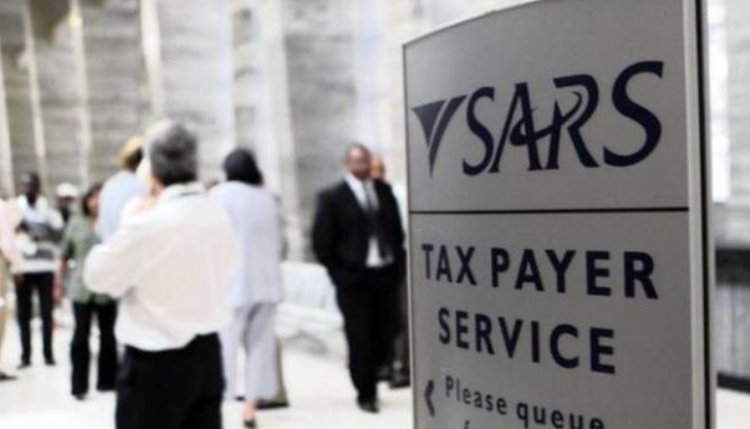
Following the Minister's announcement, the South African Revenue Service (SARS) released a formal statement assuring both the public and vendors that it is fully committed to managing the rollback efficiently. SARS Commissioner Edward Kieswetter emphasized the agency's role in implementing tax policy as determined by the National Treasury and Parliament.
"As the administrator of all national tax measures, SARS will ensure that the necessary adjustments are made to accommodate this change," the Commissioner stated, recognizing the disruption caused by the earlier anticipation of a VAT increase.
Guidance Issued to VAT Vendors Effective May 1
SARS has introduced a comprehensive set of transitional guidelines that VAT vendors must follow in light of the withdrawal:
-
Stop Implementation Work: Vendors who were in the process of updating their systems to accommodate the 15.5% VAT rate must halt such development immediately.
-
Maintain 15% VAT Rate: Businesses are instructed to continue charging VAT at the legally recognized rate of 15% on goods and services.
-
Grace Period for System Adjustments: Vendors unable to revert to 15% immediately due to complex technical limitations may temporarily report transactions at 15.5%—but only until May 15, 2025.
-
Return Declarations for 15.5% Charges: Any transactions mistakenly charged at 15.5% should be recorded in field 12 (output tax) and field 18 (input tax) of the VAT return form. Similarly, refunds or corrections related to the 0.5% difference should also be declared in these fields.
-
Audit Preparedness: SARS confirmed that all VAT return declarations, particularly those reflecting dual-rate entries, will be closely reviewed during future audits or verification processes for the affected periods.
-
System Auto-Calculation Update: From May 1, 2025, all VAT auto-calculation functions in SARS's digital platforms will revert to the 15% rate. Vendors are expected to ensure that their own systems are aligned accordingly.
-
Zero-Rating & Other Reversal Actions: Vendors who had also implemented zero-rating measures or complementary changes related to the expected increase are advised to reverse these changes ahead of the May 1 deadline.
Commissioner Acknowledges Vendor and Consumer Confusion
Commissioner Kieswetter expressed empathy for vendors and consumers who had already invested time and resources into preparing for the anticipated VAT change. "We understand the confusion that this process has created and are committed to supporting vendors through this transition," he noted.
SARS has also indicated it will ramp up communication and educational efforts, including webinars, updated guidance documents, and direct support channels, to help ensure compliance and minimize disruption.
Public and Economic Sector Reaction
The VAT hike reversal has been met with cautious relief across sectors. Consumer rights organizations have welcomed the move, citing the economic hardship it would have imposed. Meanwhile, small and medium-sized enterprises (SMEs) have also praised the decision, noting that VAT changes often require costly system overhauls and staff retraining.
However, some economists warn that while the rollback relieves pressure in the short term, it may reduce government revenue projections, potentially affecting service delivery or increasing reliance on other forms of taxation or borrowing.
Looking Ahead: Clarity, Compliance, and Fiscal Balance
As South Africa balances its fiscal needs with public sentiment, the withdrawal of the VAT increase underscores the government's responsiveness to societal and business concerns. SARS's role in guiding this transition will be pivotal to ensuring compliance and rebuilding trust in the tax system's fairness and predictability.
For more details on how vendors can update their systems and file returns correctly, SARS encourages visiting its official website or contacting their VAT support center.


 Google News