

UN Condemns Surge in Civilian Killings by M23, ADF, CODECO in Eastern DRC
“I am appalled by the attacks on civilians by the M23 and other armed groups in eastern DRC amid continued fighting, despite the ceasefire that was recently signed in Doha,” said Volker Türk.
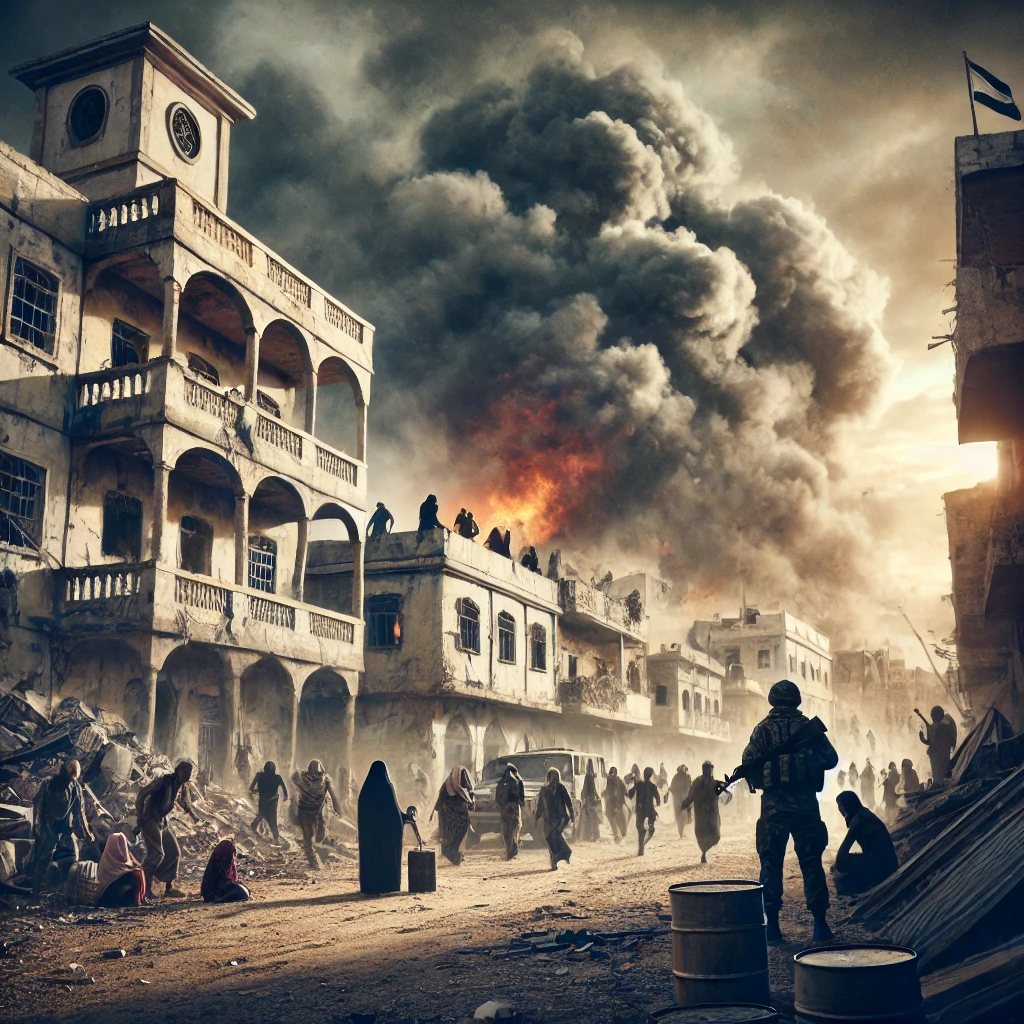
The United Nations High Commissioner for Human Rights, Volker Türk, has strongly condemned a sharp escalation in violence against civilians in the eastern Democratic Republic of the Congo (DRC), following the brutal killing of at least 319 people by the Rwandan-backed M23 armed group in July — one of the deadliest series of attacks since the group re-emerged in 2022.
Türk's statement on Wednesday highlights a deteriorating humanitarian and security situation in the North Kivu, South Kivu, and Ituri provinces, where armed groups continue to massacre civilians, destroy infrastructure, and commit sexual violence, despite the signing of multiple ceasefire agreements and peace declarations in recent weeks.
Mass Killings in Rutshuru by M23 and RDF
According to verified accounts gathered by the UN Human Rights Office, between 9 and 21 July, the M23 rebel group, supported by elements of the Rwanda Defence Force (RDF), carried out coordinated attacks in four villages in Rutshuru Territory, North Kivu Province. The atrocities claimed 319 lives, including 48 women and 19 children—mostly subsistence farmers who had been camping near their fields during the planting season.
"I am appalled by the attacks on civilians by the M23 and other armed groups in eastern DRC amid continued fighting, despite the ceasefire that was recently signed in Doha," said Volker Türk.
He stressed the urgency for accountability and a halt to impunity, calling on regional actors and international facilitators to enforce commitments to protect civilians and restore peace.
Wave of Atrocities by ADF, CODECO, and Raia Mutomboki
In addition to M23's massacres, the UN documented several other attacks by armed groups in July:
-
On 27 July, fighters from the Allied Democratic Forces (ADF) attacked Komanda village in Ituri Province, killing at least 40 Christian worshippers during Sunday prayers, including 13 children. The attackers also torched 27 shops, four homes, and three vehicles.
-
Earlier on 12 July, ADF operatives murdered eight civilians—six men, a woman, and a boy—in Otmaber village, Ituri. They also set fire to multiple homes.
-
On 9 July, in one of the most gruesome attacks of the year, ADF rebels killed at least 70 civilians in Pikamaibo village, Ituri, in what local officials described as a "calculated act of terror."
-
On 21 July, members of the CODECO (Coopérative pour le développement du Congo) group killed three civilians and injured another in Lopa village, Ituri.
-
On 27 July, in Busolo village, South Kivu, fighters from the Raia Mutomboki/Wazalendo militia raped eight women during a coordinated raid.
These attacks further expose the failure of peace efforts on the ground, despite diplomatic progress at the international level.
Peace Efforts Falter Despite High-Level Agreements
The recent massacres come in the aftermath of two major peace initiatives:
-
On 27 June, the governments of the DRC and Rwanda signed a peace agreement in Washington D.C., aimed at de-escalating tensions and halting Rwandan support to M23.
-
On 19 July, a Declaration of Principles was signed in Doha, Qatar, between the DRC government and the M23, promising a ceasefire and a roadmap toward comprehensive peace.
However, both agreements have yet to yield tangible improvements, and violence has continued unabated.
"I urge the signatories and facilitators of both the Doha and Washington agreements to ensure that they rapidly translate into safety, security and real progress for civilians in the DRC, who continue to endure the devastating consequences of these conflicts," said Türk.
A Humanitarian and Human Rights Catastrophe
The High Commissioner reiterated his call for all parties to the conflict to uphold international humanitarian and human rights obligations, especially the protection of civilians, including women, children, and internally displaced persons (IDPs).
The ongoing violence has already displaced over 6.5 million people across eastern DRC, with many lacking access to food, shelter, healthcare, and education. Local and international humanitarian agencies are overwhelmed, often cut off by fighting, and unable to safely deliver aid.
Türk emphasized that mass killings, systematic rape, and destruction of civilian infrastructure may constitute war crimes and crimes against humanity. He called on the International Criminal Court (ICC) and regional courts to monitor violations closely and initiate proceedings where warranted.
The Urgency of Translating Peace into Protection
Despite repeated diplomatic interventions, the ground reality in eastern DRC continues to be defined by lawlessness, impunity, and human suffering. Analysts warn that unless signatories commit to implementation and accountability mechanisms, peace declarations risk being symbolic gestures with limited impact.
The UN and African Union have called for strengthening the mandate of the regional force operating in eastern DRC and improving cooperation among regional governments to isolate and disarm armed groups, especially those receiving cross-border support.
Volker Türk's condemnation serves as a stark reminder that time is running out for affected communities, and that without swift and decisive action, the region may descend further into an intractable cycle of violence.


 Google News