

UN Experts Warn Gaza Faces Famine as Israel Blocks UN Humanitarian Access
The experts denounced the use of starvation as a deliberate tactic, calling it “a savage weapon of war” and a crime under international law.
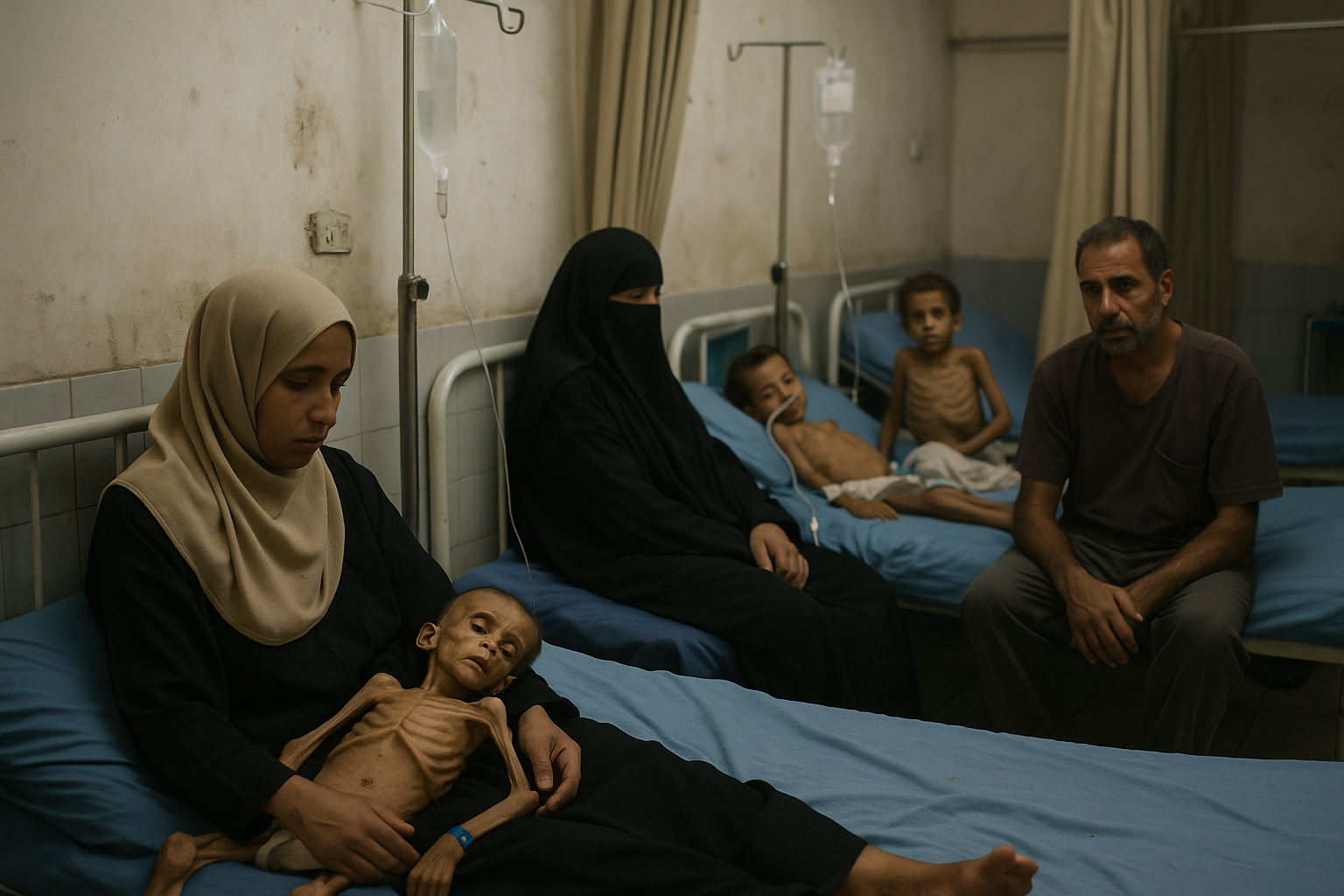
United Nations independent experts have issued an urgent call for Israel to restore unhindered access for impartial humanitarian organisations to Gaza, warning that over 500,000 people—a quarter of the population—are now facing famine, while the rest endure emergency levels of hunger. The appeal specifically demands full operational access for the United Nations Relief and Works Agency (UNRWA) and the UN Office for the Coordination of Humanitarian Affairs (OCHA), which have been severely restricted under new Israeli laws and regulations.
Starvation as a Weapon of War
The experts denounced the use of starvation as a deliberate tactic, calling it "a savage weapon of war" and a crime under international law. They said Israel's reliance on the militarised, privatised aid model via the Gaza Humanitarian Foundation has failed catastrophically—causing severe food shortages and resulting in the deaths of nearly 1,400 people attempting to access aid. This, they argued, was a foreseeable outcome of dismantling established UN-led relief systems in favour of politicised distribution networks.
Impact on Children and Malnutrition Crisis
According to UN data, all 320,000 children under five in Gaza are now at risk of acute malnutrition, with potentially lifelong physical and cognitive consequences. The collapse of health services, combined with restricted aid access, has magnified the crisis. UN agencies warn that without immediate and large-scale food deliveries, mortality rates among children could surge in the coming weeks.
Israeli Laws Targeting UNRWA
Two recently enacted Israeli laws prohibit cooperation with UNRWA, undermining the work and mobility of 17,000 UNRWA staff. These measures have frozen the agency's finances, blocked the movement of goods and vehicles, and interfered with its premises—including headquarters in East Jerusalem. They have also disrupted long-standing security coordination, exposing aid workers to greater danger.
UNRWA, which the General Assembly and Security Council have described as the indispensable backbone of humanitarian relief for 2.3 million Gazans, provides food, shelter, healthcare, education, sanitation, and poverty relief—particularly for women, children, and nearly 2 million displaced persons.
Legal Obligations and International Law
The experts reminded Israel of its obligations under the United Nations Charter, the 1946 Convention on the Privileges and Immunities of the UN, General Assembly resolutions, and international humanitarian law to cooperate with and protect UNRWA operations. They stressed that Israel is legally required to share security intelligence about threats to humanitarian staff and coordinate protection measures in occupied territory.
Unproven Allegations and Funding Freeze
Israel's restrictions on UNRWA have been justified by allegations of terrorist links, leading 16 countries to temporarily suspend funding. However, two independent reviews—most notably the Colonna Review—found no substantiated evidence to support these claims. All donors except the United States have since resumed contributions. The reviews also confirmed that Israel had never raised objections to UNRWA staff lists, which are shared annually, and recognised the agency's strict neutrality safeguards.
UN Secretary-General António Guterres has warned that UNRWA is now at an "unprecedented breaking point" due to the continued US funding freeze.
Restrictions on OCHA and Human Rights Access
The experts also condemned Israel's recent extension of its "smear campaign" to OCHA, citing arbitrary new visa restrictions for international humanitarian staff that have already blocked senior OCHA officials from entering Gaza. They further highlighted Israel's obstruction of UN human rights bodies and independent monitors, its ban on international media, and its targeting of local journalists.
Immediate Demands from UN Experts
The experts urged all states to:
-
Restore UN humanitarian system operations in Gaza, with unimpeded land access.
-
Secure an immediate ceasefire and ensure the release of all hostages.
-
Punish perpetrators of war crimes and crimes against humanity.
-
End Israel's illegal occupation in line with International Court of Justice rulings.
-
Uphold Palestinians' right to self-determination in an independent and secure State of Palestine.
A Warning to the International Community
"States must act decisively to prevent Israel's destruction of the conditions of life in Gaza and stop its endless war on humanity," the experts said, adding that without urgent action, the humanitarian system in Gaza will collapse completely—leaving millions without food, shelter, or medical care.


 Google News