

Harnessing Resources: A Path to Halve Global Pollution
A World Bank report warns of the economic threats posed by land degradation, air pollution, and water stress. By managing natural resources more efficiently, global pollution could be halved, especially helping low-income countries. The report highlights the urgent need for policy change amid upcoming climate talks.
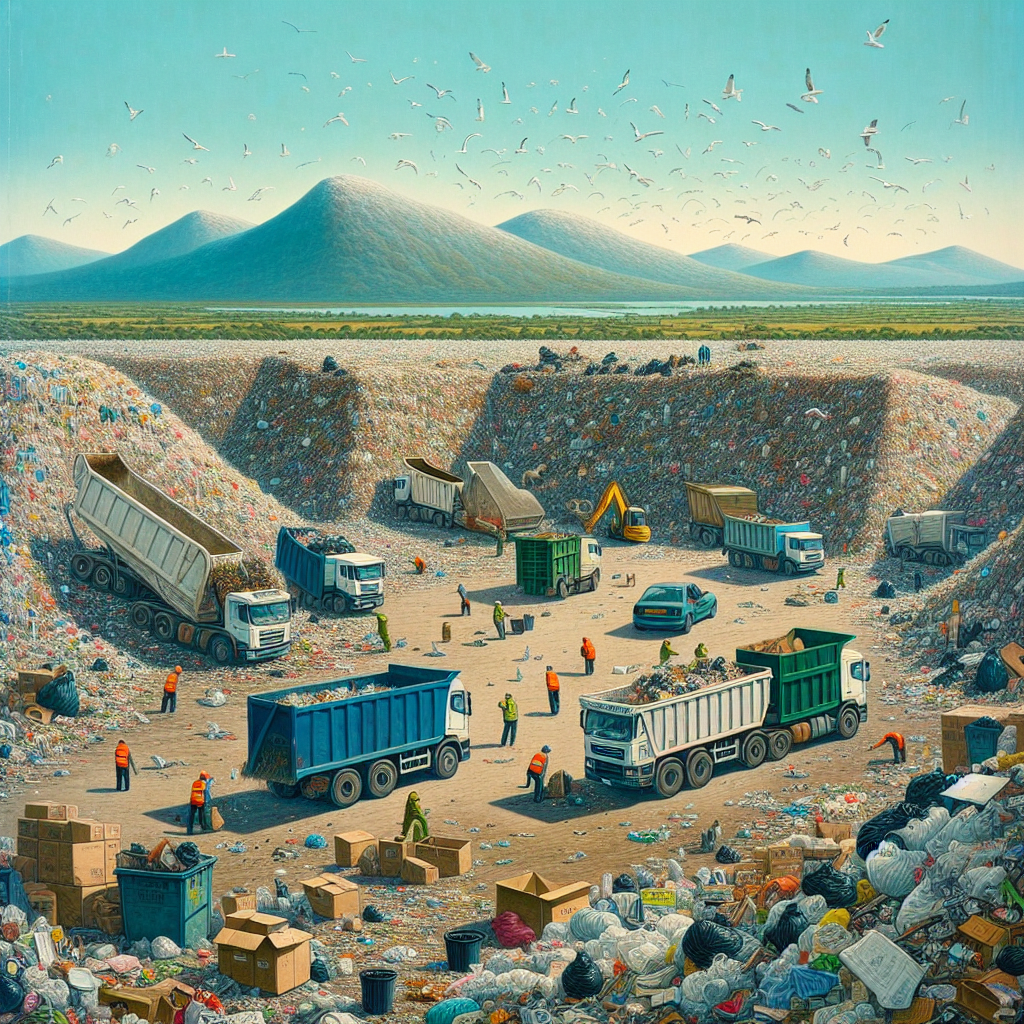
Degraded land, polluted air, and water stress significantly threaten the global economy, according to a senior managing director at the World Bank. By optimizing natural resource utilization, pollution could be reduced by half, potentially equipping low-income countries to face these challenges more effectively.
World Bank's Axel van Trotsenburg highlighted the acuteness of this situation for countries battling poverty, climate change, and biodiversity declines, around 80% of their populations are currently exposed to these issues. Even as aid budgets face cuts, the World Bank vows to tackle these challenges.
This report emerges amid tense political climates as preparation for November's COP30 talks in Brazil continues. The bank plans to present data-backed arguments to member governments, emphasizing the immediate economic consequences of neglecting environmental issues.
ALSO READ
-
The Road to Food Security and Climate Resilience Runs Through Forest Restoration
-
World Bank Backs Serbia’s Gas Network With $600M for Decade of Energy Upgrades
-
World Bank Backs Türkiye’s Farmers With $750 M to Boost Rural Jobs and Growth
-
Cleaner Kitchens, Polluted Skies: Hidden Health Cost of India’s Electricity Boom
-
Machine Learning Reveals Why Women’s Agency Measures Must Reflect Local Realities in Tunisia


 Google News