

UN Experts Demand Nicaragua Reveal Fate of Over 120 Forcibly Disappeared
According to the UN Working Group on Enforced or Involuntary Disappearances, Nicaragua is systematically targeting anyone perceived to oppose or criticize the government.
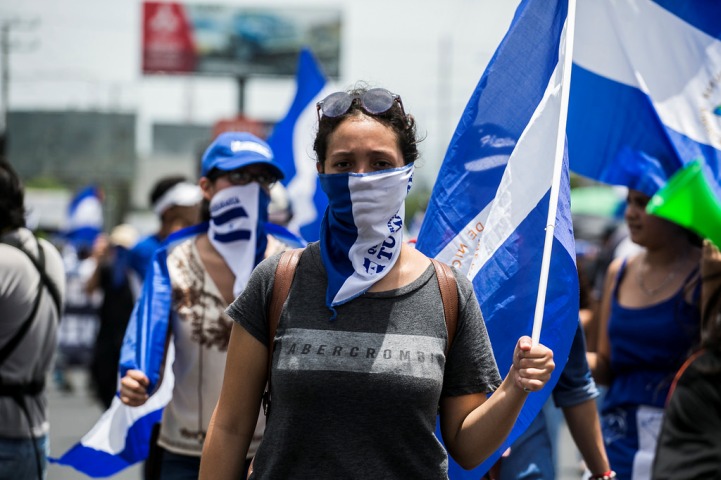
United Nations human rights experts have issued a grave call to the Nicaraguan authorities to urgently clarify the fate and whereabouts of more than 120 individuals who have been forcibly disappeared across the country. The victims include Indigenous leaders, elderly people, women, and individuals—some with no political ties—perceived as dissenters against the current regime. Many were reportedly detained in connection with the 2018 human rights crisis, but others vanished without any public record of arrest.
Disappearances Targeting Civil Society
According to the UN Working Group on Enforced or Involuntary Disappearances, Nicaragua is systematically targeting anyone perceived to oppose or criticize the government. "Everyone who is trying to defend their rights is at risk of being forcibly disappeared in Nicaragua. This must end immediately," the experts declared.
The victims reportedly span a wide spectrum of society: Indigenous leaders resisting land grabs, political dissidents, and civilians with no known affiliations who expressed dissent. The pattern points to a campaign of intimidation and control, orchestrated by the highest levels of state power.
"These enforced disappearances appear to be ordered at the highest levels of authority and are designed to instill fear across society, sending the message that anyone who voices a differing opinion may suffer the same fate," said the Working Group.
Institutionalized Repression
In April 2025, the Group of Independent Experts on Nicaragua released a report confirming that the executive branch forms the nucleus of the country's machinery of repression. This includes shadowy presidential advisors with unknown public functions who allegedly issue direct orders that cascade through the state's security and judicial apparatus.
The UN experts echo those findings and emphasize that enforced disappearances in Nicaragua are not isolated incidents but are systematically used as a tool of political control. The government's silence and lack of cooperation only deepen the crisis.
No Response Since 2018
Despite numerous humanitarian alerts and intervention requests, the Nicaraguan government has reportedly failed to respond to any of the Working Group's communications since 2018. The experts stressed that effective cooperation is vital to locate the disappeared and alleviate the suffering of their families.
"The government has ignored every humanitarian case we've submitted for over seven years. This lack of response is a direct violation of its obligations under international human rights law," the experts said.
Real Numbers Likely Much Higher
Officially, the Working Group has documented over 120 cases of enforced disappearance. However, they believe the actual number is far higher. Many families are too afraid to report the disappearances, fearing retaliation by state security forces.
"We are gravely concerned that the fear of reprisals has silenced victims' families and legal representatives. This is contributing to significant underreporting," the experts warned.
Urging Justice and Accountability
Calling for an immediate end to arbitrary detentions and secret imprisonments, the experts highlighted the complicity of the entire judicial chain—from judges to prison authorities—in perpetuating these crimes.
"All judicial actors involved in apprehensions, detentions, and trials must be held accountable. The crime of enforced disappearance does not stop at the abduction—it extends through the entire chain of state custody and beyond," they stated.
The UN Working Group also urged Nicaraguan authorities to ensure the release of all arbitrarily detained individuals and provide their families with information on their fate and whereabouts. They further demanded transparent investigations into allegations of torture, sexual violence, and other abuses faced by detainees.
UN Offers Support, But Waits for Engagement
Despite the grave allegations and long-standing concerns, the Working Group remains open to dialogue and assistance. They have reiterated their willingness to provide technical support and guidance to the Nicaraguan government in addressing the crisis.
However, without official cooperation, the international community's options remain limited. The experts concluded, "Only through full and effective cooperation can the fate and whereabouts of the forcibly disappeared be determined. The suffering of those in detention—and of their families—must end."


 Google News