

UN Expert Urges Portugal to Strengthen Support and Inclusion for People with Albinism
Miti-Drummond noted that while Portugal has made encouraging strides in disability rights and inclusive education, these improvements are not being implemented consistently across the country.
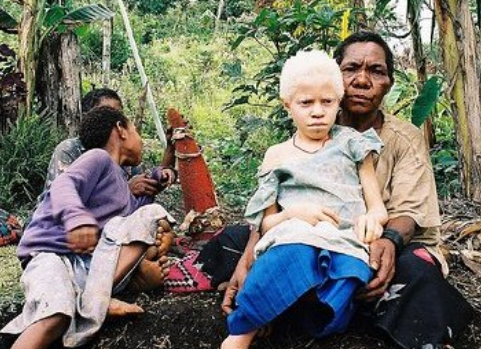
A United Nations human rights expert has called on Portugal to take stronger, coordinated action to ensure people with albinism are fully included in society and able to access essential services such as education, healthcare, and employment. The appeal follows an official visit by Muluka-Anne Miti-Drummond, the UN Independent Expert on the enjoyment of human rights by persons with albinism, who praised Portugal's progress but warned that significant gaps remain.
Miti-Drummond noted that while Portugal has made encouraging strides in disability rights and inclusive education, these improvements are not being implemented consistently across the country. She stressed that a lack of standardised guidance, inconsistent service delivery, and limited awareness about albinism continue to leave many individuals without the support they need.
"While I noted several positive initiatives by Portugal, there is a need for coordinated measures across the machinery of government to ensure better understanding of albinism and uniformity in the provision of support services," the expert said. She emphasised that integration must be addressed through a system-wide approach rather than through fragmented or isolated efforts.
Disability Law Protects Rights — but Implementation Falls Short
While Portugal does not have albinism-specific legislation, the current legal framework on disability rights is broad enough to safeguard the human rights of people with albinism when properly applied. Albinism is a genetic condition that affects pigmentation and often results in low vision, making accessible education and healthcare essential.
Miti-Drummond, however, raised concerns about the effectiveness and implementation of these protections. Key elements of the system, she said, are not harmonised or standardised between regions or sectors, meaning people with albinism often receive uneven or incomplete support depending on where they live or which institution they deal with.
Uneven Rollout of Inclusive Education Laws
Portugal's Law 54 on inclusive education introduced significant reforms, aimed at ensuring that all students—regardless of disability—can learn in mainstream school environments with appropriate support. More recently, Law No. 10 of 2024 expanded mobility assistance for students with low vision, a measure especially relevant to learners with albinism.
Despite these strong legislative steps, implementation remains patchy. Miti-Drummond noted that limited resources, gaps in oversight, and variations in local practice have prevented the full realisation of inclusive education in many settings. "Implementation remains uneven. There is a need for consistent, standardised practices nationwide," she said.
Lack of Data Hindering Policy and Support
One of the most significant concerns raised by the Independent Expert is the absence of disaggregated data on people with albinism across government systems, including health, employment, education, and immigration. Without reliable data, authorities are unable to determine how many people with albinism live in Portugal, where they are concentrated, or which challenges are most acute.
Miti-Drummond acknowledged that privacy protections and data rules constrain the government's ability to collect sensitive information. However, she urged authorities to develop privacy-respecting and legally compliant data collection methods, stressing that evidence-based policymaking is impossible without better information.
"Data on albinism would be essential for policy decisions that address specific needs and inequalities," she said, noting that it would also support monitoring of human rights implementation and development goals.
Next Steps and UN Follow-Up
The Independent Expert will present a comprehensive report on her visit to the UN Human Rights Council in March 2027, outlining recommendations for strengthening inclusion, accessibility, and human rights protections for people with albinism in Portugal.
She encouraged the government to adopt a more cohesive, coordinated approach—bringing together social services, education, health institutions, and labour authorities—to ensure that people with albinism are not left behind in Portugal's broader human rights and disability inclusion agenda.
Tags:
ALSO READ
-
Mozambique Faces Fossil Fuel Trap; UN Expert Calls for Solar-Powered Future for All
-
Dora Moutot’s Conviction Sparks UN Expert’s Concern Over Women’s Safety and Free Speech
-
West Bank Checkpoints Are Taking Palestinian Time, Livelihoods and Lives, UN Expert Warns
-
UNESCO Brings Data to New UN Platform Connecting People With Trusted Information
-
UN Expert Urges Malaysia to Halt Myanmar Returns as Refugees Face War and Violence


 Google News