

628 New Homes Coming to Mt Albert in Govt-Iwi Deal for Carrington Project
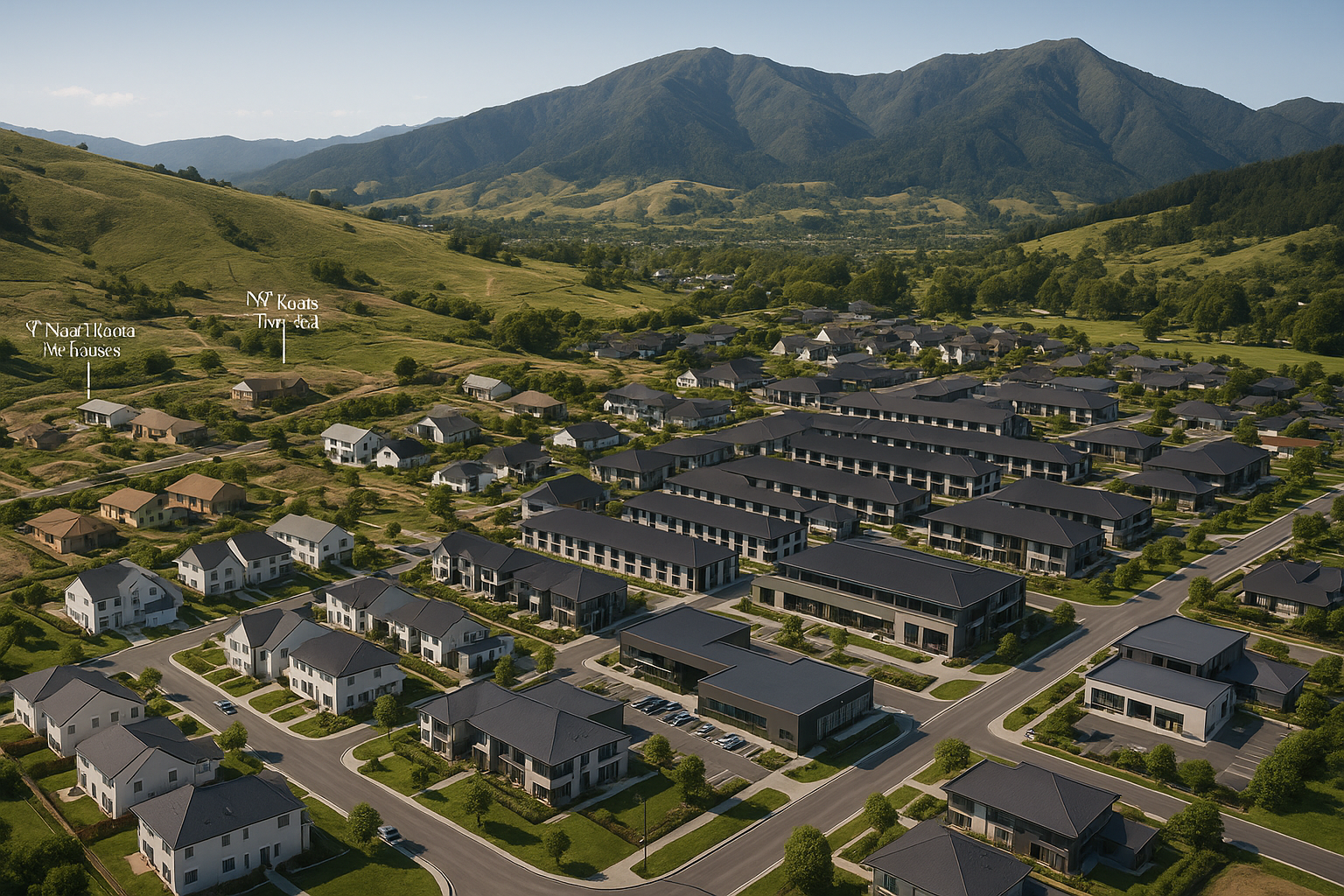
Te Kukūnga Waka is a master-planned development that will ultimately deliver more than 4,000 homes on land formerly occupied by Unitec’s Mt Albert campus.
- Country:
- New Zealand
The New Zealand Government and Waiohua-Tāmaki iwi have signed development agreements to build at least 628 new homes in Auckland's Mt Albert, contributing to one of the city's largest new housing developments—Te Kukūnga Waka, also known as the Carrington Residential Development. Housing Minister Chris Bishop confirmed the milestone as part of the broader Government push to boost housing supply through collaborative partnerships.
Building on a Vision for Over 4,000 Homes
Te Kukūnga Waka is a master-planned development that will ultimately deliver more than 4,000 homes on land formerly occupied by Unitec's Mt Albert campus. The site was acquired by the Crown in 2018 under the Land for Housing Programme, an initiative that repurposes underused government land to address housing shortages.
"These homes will help address Auckland's housing needs and build on the progress already being made," Bishop said.
The newly signed agreements with Waiohua-Tāmaki iwi formalise the next phase of construction and ensure that iwi are active partners in shaping the urban future of this strategically located land.
A Strategic Urban Development Location
The Carrington site sits in Mt Albert, a well-established suburb close to:
-
Public transport, including the Northwest Busway (a major Government investment)
-
Employment hubs and city amenities
-
Educational institutions, recreational areas, and local shops
This aligns with the Government's vision of building "homes near jobs, public transport, services, and amenities," as Bishop emphasized.
The project includes not only homes but a wide range of community infrastructure:
-
A supermarket
-
Cafes and hospitality outlets
-
A daycare centre
-
A swim club
-
A commercial gym
These features are designed to create a liveable, vibrant neighbourhood, reflecting modern urban planning principles.
Housing Types: Market, Affordable, and Social
Over time, the 4,000+ homes will include a mix of housing types:
-
Market housing for private buyers
-
Affordable housing for first-time homeowners and moderate-income earners
-
Social housing for people in need of government-supported accommodation
This blend ensures that Te Kukūnga Waka contributes meaningfully to Auckland's diverse housing needs and avoids the pitfalls of homogeneous development.
Government Support Through Multiple Channels
The Government is backing the project through several initiatives, including:
-
The Land for Housing Programme, which enabled the land acquisition
-
The Residential Development Underwrite, which supported delivery of the first housing tranches
-
Targeted infrastructure investments to prepare the land for large-scale residential use
Bishop highlighted the momentum already underway at the site, having attended the official opening of the first apartment buildings—Toi and Whetū—earlier this year. These mark the first visible milestones of a multi-year development that is expected to transform Mt Albert's urban landscape.
A Model for Future Housing Partnerships
The Carrington development exemplifies the Government's approach to housing: public–private–iwi partnerships, land repurposing, and community-integrated design. The involvement of Waiohua-Tāmaki iwi also underscores the Government's commitment to Treaty-based partnerships in major urban development projects.
As Auckland's housing crisis continues to place pressure on families and first-home buyers, large-scale developments like this represent a critical part of the solution—expanding supply, improving affordability, and building better communities.


 Google News