

Govt Outlines Simpler Planning System to Cut Costs and Streamline Local Governance
Bishop highlighted that the reforms sit alongside the Government’s broader proposals for the largest restructuring of local government since 1989.
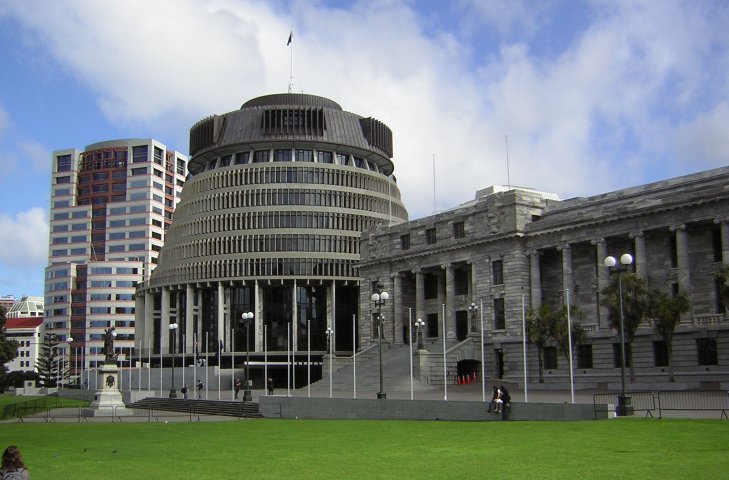
- Country:
- New Zealand
The Government has unveiled further details about New Zealand's new planning system, which ministers say will be easier for local authorities to use and will deliver better value for ratepayers. RMA Reform Minister Chris Bishop and Local Government Minister Simon Watts described the overhaul as a major step toward modernising the way cities and regions are planned and governed.
A Historic Overhaul of Local Government
Bishop highlighted that the reforms sit alongside the Government's broader proposals for the largest restructuring of local government since 1989. These include significant changes to planning processes, governance structures, and service delivery frameworks.
He said the new planning system represents a "once-in-a-generation opportunity" to move away from the constraints of the Resource Management Act 1991, which has long been criticised for slow decision-making, duplication, and costly bureaucracy.
"Our new planning system casts off the shackles of the broken RMA and sets New Zealand on a path to economic growth that lifts living standards while protecting the environment," Bishop said.
Simpler, Faster, and Less Costly for Councils
Minister Simon Watts emphasised that the redesigned system will directly benefit local authorities by reducing administrative burdens and eliminating overlapping responsibilities.
Key improvements include:
-
Fewer consents required for development
-
Faster decision-making supported by clearer policy frameworks
-
Standardised processes that reduce compliance costs
-
Increased use of permitted activities, lowering the need for case-by-case approvals
Watts said regional councils will have a "significantly reduced role", as stronger national direction and uniform standards will replace dozens of inconsistent regional frameworks. This shift aims to eliminate uncertainty, promote consistency, and reduce the complexity that currently frustrates communities and developers.
Fewer Plans, More Clarity
Currently, New Zealand has more than 100 policy statements and plans across 78 councils — a system ministers describe as confusing and duplicative. Under the new planning system:
-
Regional Policy Statements will be abolished entirely.
-
Councils will instead produce 17 regional combined plans.
-
These plans will take two years to develop, compared with the seven-year average under the RMA.
The Government says this change will make it easier for the public, councils, and developers to understand the rules, while ensuring planning decisions remain aligned with national environmental and economic objectives.
Alignment With Local Government Reform
Watts noted that simplification of local government structures is crucial to unlocking the benefits of the new planning system. The reforms are being coordinated so both programmes reinforce each other.
The introduction of combined territory boards, proposed under the local government reforms, is expected to align with the rollout of the new planning system — creating more coherent regional decision-making and reducing duplication across administrative boundaries.
"This is our opportunity to build a modern planning system that lifts living standards and protects the environment, while delivering a local government sector that is simpler, more efficient, and better value for ratepayers," Watts said.
Legislative Timeline and Public Input
The bills underpinning the new planning system will be introduced to Parliament this afternoon, with the Government targeting 2026 for enactment.
Following passage of the legislation:
-
National policy direction will be completed within nine months.
-
Mandatory national standards will be released in stages and integrated into council planning cycles.
-
The public will be able to provide feedback through the Select Committee process.
Meanwhile, consultation on the Government's broader local government reform proposals is open until 20 February 2026 via the Department of Internal Affairs.


 Google News