

UN Children’s Rights Committee Marks 100th Session Amid Funding Crisis
Opening the meeting, Committee Chair Sophie Kiladze highlighted the Committee’s long-term influence since the Convention on the Rights of the Child entered into force more than 35 years ago.
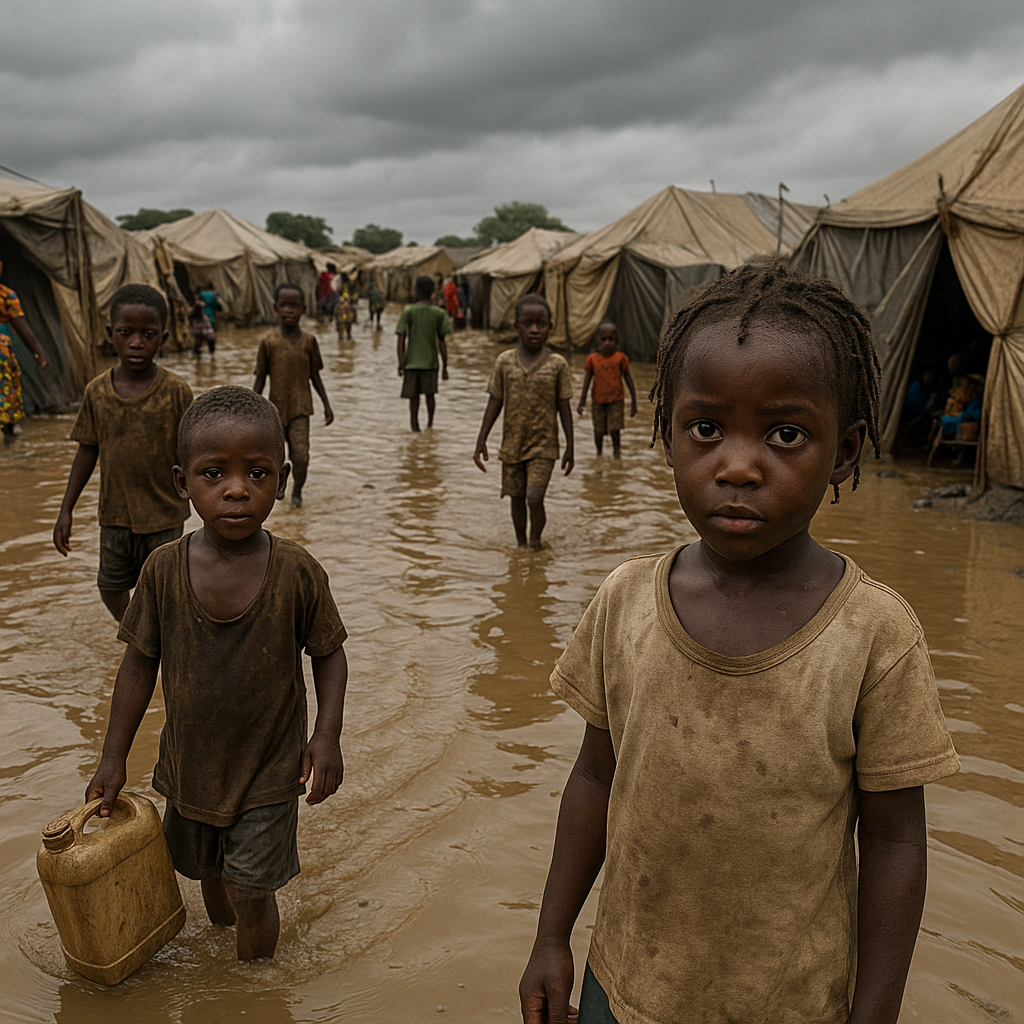
The United Nations Committee on the Rights of the Child has marked its landmark 100th session with a high-level meeting of States, reflecting on more than three decades of global progress on children's rights — while warning that a deepening UN liquidity crisis is undermining its ability to carry out its mandate.
The Committee held its seventeenth informal meeting with States this afternoon, coinciding with its jubilee one hundredth session. Discussions covered the Committee's communications and inquiry procedures, the development of general comments, its emerging work on artificial intelligence and children's rights, and the growing financial pressures facing the UN treaty body system.
35 Years of Impact, Reform and Accountability
Opening the meeting, Committee Chair Sophie Kiladze highlighted the Committee's long-term influence since the Convention on the Rights of the Child entered into force more than 35 years ago.
"Across regions and legal traditions, States parties have reformed laws, policies and institutions based on the constructive guidance of the Convention," Ms Kiladze said, noting that thousands of recommendations issued over 100 sessions have contributed to meaningful and systemic change.
She said these achievements demonstrated the power of sustained dialogue, accountability, and international cooperation grounded in the Convention and its Optional Protocols.
Global Violations Persist as UN Liquidity Crisis Bites
Despite the milestone, Ms Kiladze stressed that the anniversary could not be a moment of celebration alone. Grave and widespread violations of children's rights continue across all regions, while the Committee's work is being seriously constrained by the liquidity crisis affecting the United Nations.
Due to funding shortfalls, the Committee was able to hold only two of its three scheduled sessions in 2025 and reviewed just 15 State reports since its last meeting with States — a significant reduction in oversight and accountability.
Ms Kiladze urged all States parties to meet their financial obligations to the United Nations, warning that continued under-funding threatens the effectiveness of the entire treaty body system.
Renewed Commitment Urged for the Next Generation
Concluding her remarks, Ms Kiladze said the one hundredth session must serve as a turning point.
"This milestone must be marked with renewed commitment — to protect the achievements of the past, confront the challenges of the present, and ensure a future in which every child, everywhere, can fully enjoy their rights without delay."
Opening statements were also delivered by Committee Experts Hynd Ayoubi Idrissi, Rosaria Correa, and Benoit Van Keirsbilck.
Broad State Participation in High-Level Dialogue
States participating in the discussion included Spain, Georgia, Finland, the Russian Federation, China, Pakistan, the Dominican Republic, the State of Palestine, the United Kingdom, the Holy See, Egypt, Eritrea, and Colombia.
Documents relating to the Committee's work, including State party reports, are available on the session webpage. Public meeting summaries and webcasts are also accessible online.
Next Steps
The Committee will meet publicly on Friday, 30 January at 5 p.m. to adopt its concluding observations and recommendations on the reports of Colombia, Ethiopia, Ghana, Malaysia, Maldives, Pakistan and Spain, and to formally close its one hundredth session.
ALSO READ
-
Lebanon’s Children Cannot Lose More of Their Childhood, UNICEF Chief Urges Action
-
UNESCO Brings Data to New UN Platform Connecting People With Trusted Information
-
UN Expert Urges Malaysia to Halt Myanmar Returns as Refugees Face War and Violence
-
Longer Lives, Unequal Care: UN Report Exposes Gaps in Support for Older People Globally
-
Syria’s Returning Children Need Schools, Care and Safe Water to Rebuild Lives


 Google News