

Mission Poshan 2.0: 2 Lakh Anganwadi Centres to Become ‘Saksham’ Hubs with Digital Innovation and Better Infrastructure
Under the Mission, 40,000 Anganwadi Centres per year located in government buildings are being transformed into Saksham Anganwadis with enhanced facilities that go far beyond conventional models.
- Country:
- India
India's flagship nutrition programme is undergoing a major transformation under Mission Saksham Anganwadi and Poshan 2.0, with two lakh Anganwadi Centres (AWCs) being strengthened into modern, technology-enabled Saksham Anganwadis during the 15th Finance Commission cycle.
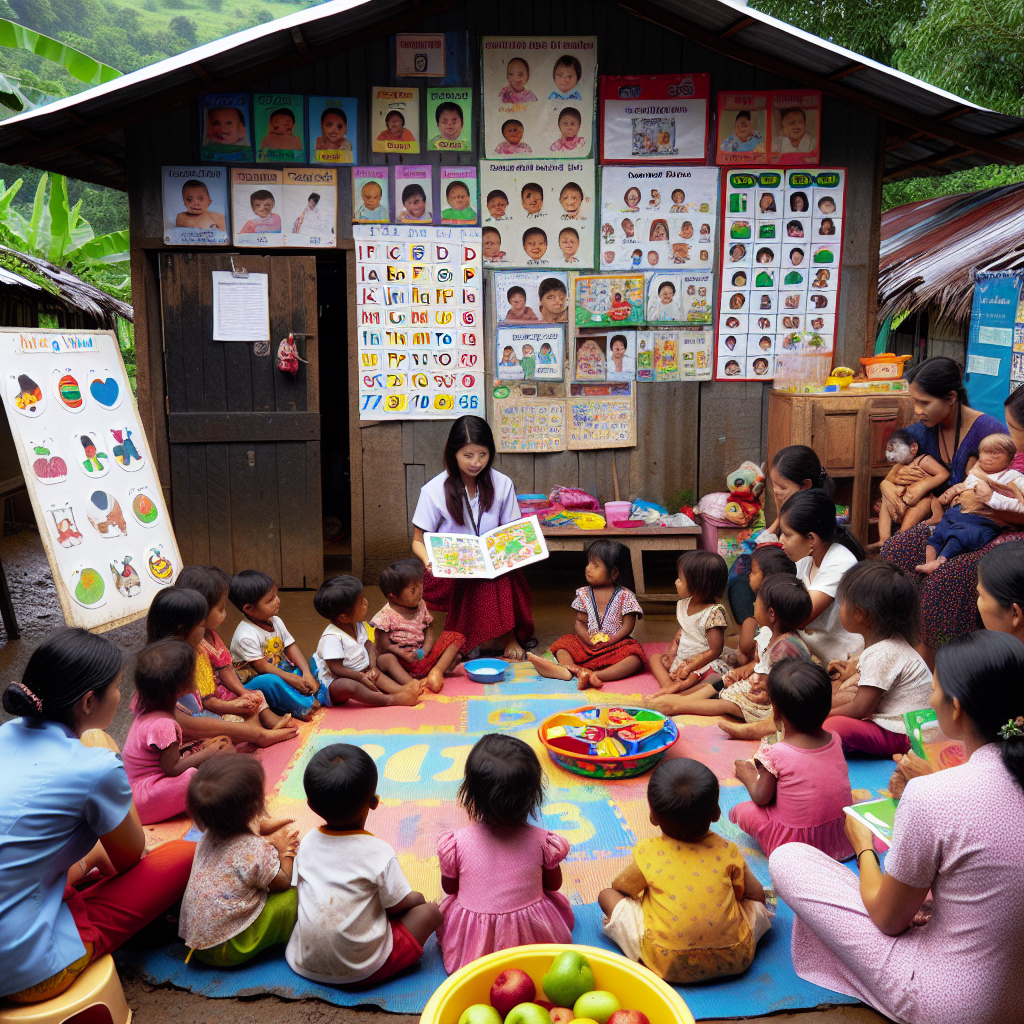
These upgraded centres are envisioned as vibrant community hubs delivering improved nutrition services along with quality Early Childhood Care and Education (ECCE).
As on 31 January 2026, the Government has approved the upgradation of 2 lakh AWCs nationwide, including 3,514 centres in Rajasthan, marking one of the largest infrastructure and service delivery reforms in the country's child development system.
Saksham Anganwadis: Modern Centres for Nutrition and Early Learning
Under the Mission, 40,000 Anganwadi Centres per year located in government buildings are being transformed into Saksham Anganwadis with enhanced facilities that go far beyond conventional models.
Each Saksham Anganwadi is equipped with:
-
Improved physical infrastructure
-
LED screens for awareness and learning content
-
Water filtration systems for safe drinking water
-
Poshan Vatikas (nutrition gardens) promoting local healthy foods
-
ECCE learning materials for preschool education
-
BALA paintings to create child-friendly learning environments
This shift aims to ensure that Anganwadi Centres are not only nutrition delivery points but also centres of early childhood development and community engagement.
Poshan Tracker: Real-Time Digital Governance in Nutrition Delivery
A key innovation under Mission Poshan 2.0 is the rollout of the Poshan Tracker application, a technology-driven governance tool designed to strengthen transparency and efficiency in service delivery.
The application enables monitoring of:
-
All Anganwadi Centres
-
Anganwadi Workers (AWWs)
-
Beneficiaries including children, pregnant women and lactating mothers
Through defined indicators, the Tracker supports dynamic identification of:
-
Stunting
-
Wasting
-
Under-weight prevalence
Near Real-Time Monitoring of Anganwadi Services
Poshan Tracker has enabled near real-time data capture for essential services such as:
-
Opening and closing of AWCs
-
Daily attendance of children
-
Growth monitoring and measurement
-
ECCE activity tracking
-
Delivery of Hot Cooked Meals (HCM)
-
Distribution of Take Home Ration (THR – not raw ration)
The app also provides counselling and awareness videos promoting key behaviours like:
-
Birth preparedness
-
Post-natal care
-
Breastfeeding practices
-
Complementary feeding
Facial Recognition System Ensures Last-Mile Transparency
To ensure that benefits reach only the intended recipients, the Government has introduced a Facial Recognition System (FRS) within Poshan Tracker for THR distribution.
This innovation strengthens accountability at the grassroots level by preventing leakages and ensuring targeted delivery of nutrition support.
Nominee Module: Ensuring Uninterrupted Nutrition Support
A new Nominee Module has also been introduced to ensure beneficiaries do not miss out on rations due to mobility or other challenges.
If a registered beneficiary is unable to visit the Anganwadi Centre, she may nominate another person to collect THR on her behalf.
Key features include:
-
Nominee e-KYC required only once
-
Face matching required at every collection
-
Beneficiary can still receive THR if nominee has not already collected it
This system ensures continuity, dignity and accessibility in nutrition delivery.
Smartphones and Digital Capacity Building for Anganwadi Workers
To support the digital shift, Anganwadi Workers have been provided with smartphones procured by States and UTs on a cost-sharing basis.
Additionally:
-
Internet connectivity support is provided at ₹2,000 per annum per AWC
-
Regular trainings and workshops are conducted
-
Self-learning modules are available within the app for continuous capacity building
Block and District Coordinators provide on-ground handholding and technical support, while States have been advised to discontinue physical registers for greater efficiency.
Cooperative Federalism in Implementation
Mission Saksham Anganwadi and Poshan 2.0 is a Centrally Sponsored Scheme, where:
-
The Central Government is responsible for planning and policy
-
State Governments and UT Administrations manage day-to-day implementation
-
The Ministry monitors progress through regular reviews, meetings and video conferences
Minister's Statement
This information was shared by the Union Minister for Women and Child Development, Smt. Annpurna Devi, in a written reply in the Lok Sabha today.
The Mission reflects India's commitment to building a healthier, stronger and better-nourished future generation through innovation, infrastructure and technology-driven governance.


 Google News