

UN Experts Welcome Mexico’s Anti-Torture Progress but Warn of Serious Implementation Gaps
“Mexico has demonstrated political commitment to combat and prevent torture and important progress has been made,” the Subcommittee said.
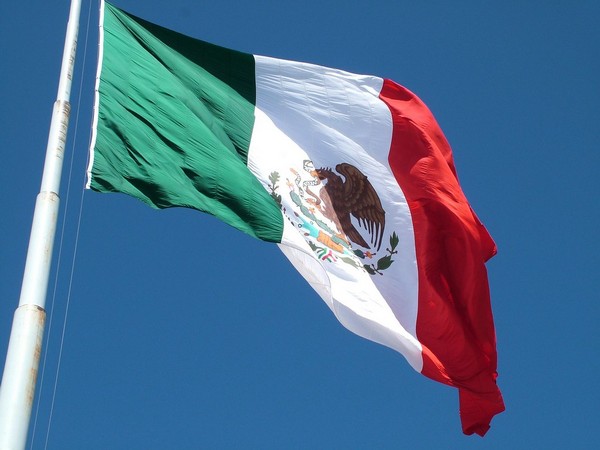
Mexico has shown political commitment and made important progress in combating and preventing torture, but significant gaps remain between legal reforms and their implementation in practice, experts from the UN Subcommittee on Prevention of Torture (SPT) said as they concluded their third official visit to the country.
The experts acknowledged that Mexico has adopted key legislative and institutional measures in recent years, but warned that serious challenges persist, particularly in privately operated drug rehabilitation centres that function outside adequate regulation.
"Mexico has demonstrated political commitment to combat and prevent torture and important progress has been made," the Subcommittee said. "However, there are concerns over gaps that exist between legal frameworks and policies and their implementation in practice."
Key Reforms Recognised Since 2017
Between its previous visit in 2016 and this latest mission, the Subcommittee noted several major advances, including:
-
Adoption of the General Law on the Prevention of Torture in 2017
-
Adoption of reforms under the General Law on Health in 2023
-
Establishment of specialised prosecutors' offices to investigate torture
-
Strengthening of Mexico's National Preventive Mechanism (NPM) with a solid legal framework and adequate resources
These steps, experts said, demonstrate significant institutional progress.
Alarm Over Drug Rehabilitation Centres
Despite these reforms, the Subcommittee expressed deep concern about the conditions observed in drug rehabilitation centres, particularly those operating privately and beyond regulatory oversight.
"Much work remains with regard to the implementation of torture prevention measures," said Carmen Comas-Mata, head of the SPT delegation.
"We are particularly concerned by the situation observed in drug rehabilitation centers, especially those that operate privately and outside any adequate regulatory framework."
The experts reported worrying conditions and coercive practices in such facilities, warning they pose serious risks of ill-treatment.
"Addressing this situation requires urgent and decisive action by the State," Comas-Mata said.
Third Visit in a Decade Marks Renewed Scrutiny
The week-long mission took place from 25–30 January 2026, marking the Subcommittee's return to Mexico ten years after its second visit in 2016.
Comas-Mata said the delegation appreciated the cooperation provided by Mexican authorities before and during the visit.
Persistent Challenges in Enforcement and Accountability
The Subcommittee noted that despite strong legislation, implementation remains inconsistent.
For example, national law prohibits involuntary institutionalisation, yet this was not the reality observed during inspections.
Experts also raised concerns about ongoing failures in prompt and effective investigations of torture allegations and the continued struggle against impunity.
"We are also concerned about the persistent problems in prompt and effective investigations of acts of torture and the fight against impunity despite the solid existing legal and institutional framework," Comas-Mata said.
Wide Range of Detention Facilities Visited
During the mission, the delegation conducted visits to:
-
Men's and women's prisons
-
Police stations
-
Psychiatric hospitals
-
Drug rehabilitation centres
The experts held confidential interviews with detainees and staff, and carried out joint visits with the National Preventive Mechanism.
They also met with government authorities and other stakeholders as part of the Subcommittee's standard monitoring work.
Strengthening the National Preventive Mechanism
The delegation welcomed the work of Mexico's NPM, describing it as competent and well-resourced.
However, the experts stressed that further steps are essential, including:
-
Prompt appointment of the full membership of its Technical Committee
-
Re-establishing cooperation with civil society organisations
Confidential Report and Call for Transparency
The Subcommittee will now submit a confidential report containing findings and recommendations to the Government of Mexico.
It encouraged Mexico to make the report public and engage constructively with the SPT in implementing reforms.
Delegation Members
The SPT delegation included:
-
Carmen Comas-Mata (Spain), Head of delegation
-
Marco Feoli Villalobos (Costa Rica)
-
Maria Luisa Romero (Panama)
-
Martin Zinkler (Germany)
Supported by two Secretariat staff members.


 Google News