

Morolong Urges Ethical, Fact-Based Reporting Ahead of Ramaphosa’s 2026 SONA
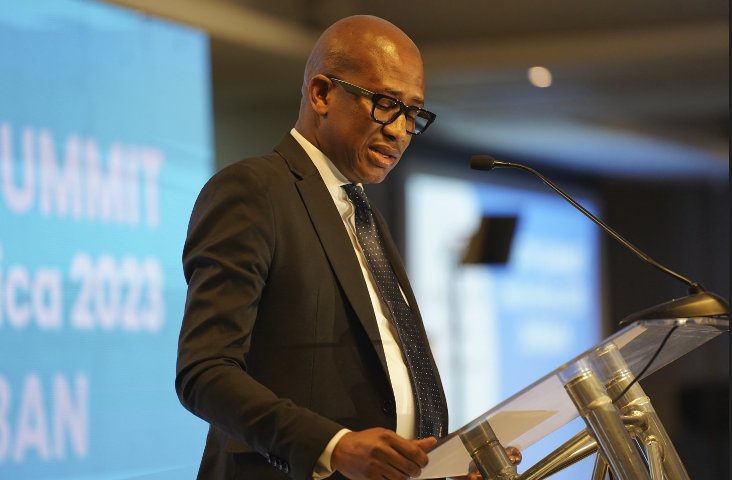
Speaking during a media networking session held on the eve of SONA in Cape Town, Morolong described the media as central to safeguarding South Africa’s democratic project.
- Country:
- South Africa
Deputy Minister in The Presidency Kenny Morolong has called on South African media practitioners and government communicators to uphold ethical, evidence-based reporting in the build-up to President Cyril Ramaphosa's 2026 State of the Nation Address (SONA), stressing that responsible journalism remains vital to democracy, social cohesion and nation building.
Speaking during a media networking session held on the eve of SONA in Cape Town, Morolong described the media as central to safeguarding South Africa's democratic project.
"As we gather here, we do so not merely as professionals but as custodians of our democracy, as architects of social cohesion and as stewards of our nation brand," he said.
Media's Role at a Historic Democratic Moment
Morolong noted that this year's SONA engagement comes at a pivotal point in South Africa's democratic journey, marked by:
-
30 years of the Constitution
-
25 years of democratic local government
-
The approaching 2026 Local Government Elections
"These are not mere anniversaries," he said, but a testament to the resilience and enduring vision of South Africa's constitutional democracy.
Lessons from COVID-19 and the 2024 Elections
Reflecting on the last three decades, Morolong acknowledged both progress and major challenges, including the COVID-19 pandemic and the 2024 General Elections, which tested not only public institutions but also the country's communication systems.
He described the 2024 elections as a defining chapter that highlighted the importance of public communication in democratic participation.
"It demonstrated the resilience of our democracy… and highlighted the critical role that public communication plays in fostering informed debate and holding those in power to account," he said.
Upholding Diversity and Social Cohesion
Morolong emphasised that in a diverse society, the media has a unique responsibility beyond conveying information.
"Media is not just a conveyor of information. It is a mirror that reflects who we are and the window that shows us what we can become."
He urged platforms to amplify diverse voices, challenge stereotypes and counter divisive narratives, while ensuring that public debate strengthens — rather than fractures — social cohesion.
Social Media: A "Double-Edged Sword"
Addressing the rise of digital platforms, Morolong warned of the risks posed by misinformation and viral distortion.
"How do we ensure that the pursuit of likes, shares and followers does not come at the expense of the truth?" he asked.
He called for ethical engagement online and responsible use of influencers for nation building without compromising credible information standards.
Nation Branding Must Be Rooted in Truth
Morolong stressed that South Africa's nation brand should not rely on false narratives or glossing over challenges, but rather on authentic storytelling.
He warned of deliberate attempts to undermine the country's international reputation through exaggerated and fabricated claims about instability, violence and crime.
"These fabricated narratives… deter investment, undermine international confidence and erode the pride and hope of our citizens," he said.
Commending Fact-Checking Journalism
Morolong praised South African journalists for defending the country's image through rigorous evidence-based reporting.
He described such work as:
"Patriotism at its finest — not blind loyalty, but informed advocacy that defends truth while addressing genuine challenges."
Preparing for the 2026 Local Government Elections
Looking ahead, Morolong highlighted the importance of strengthening municipal communication capacity, supporting community media and improving media literacy to counter misinformation around electoral processes.
He noted that local government remains the sphere where citizens most directly experience governance.
Building Constructive Media–Government Relations
Morolong said the relationship between government and the media should be built on mutual respect, truth and complementary roles in serving the public interest — neither adversarial nor compliant.
As President Ramaphosa prepares to outline government's programme of action in SONA, Morolong said effective communication must resonate with citizens' lived realities.
Call for Commitment
He concluded with a renewed appeal for:
-
Fact-based reporting that builds public trust
-
Inclusive storytelling reflecting South Africa's diversity
-
Ethical digital engagement prioritising truth over virality
-
Constructive government–media collaboration in the public interest
"Our Constitution gave us the framework… local government brought governance closer to the people. Now, as we prepare for another round of Local Government Elections, we must ensure our media landscape supports informed participation and strengthens the bonds of community," Morolong said.


 Google News