

Israel’s Aid Restrictions Causing Severe Gender-Based Crisis in Gaza: UN Experts
The experts say the impact is not only immediate but risks entrenching long-term gender inequality and human rights violations.
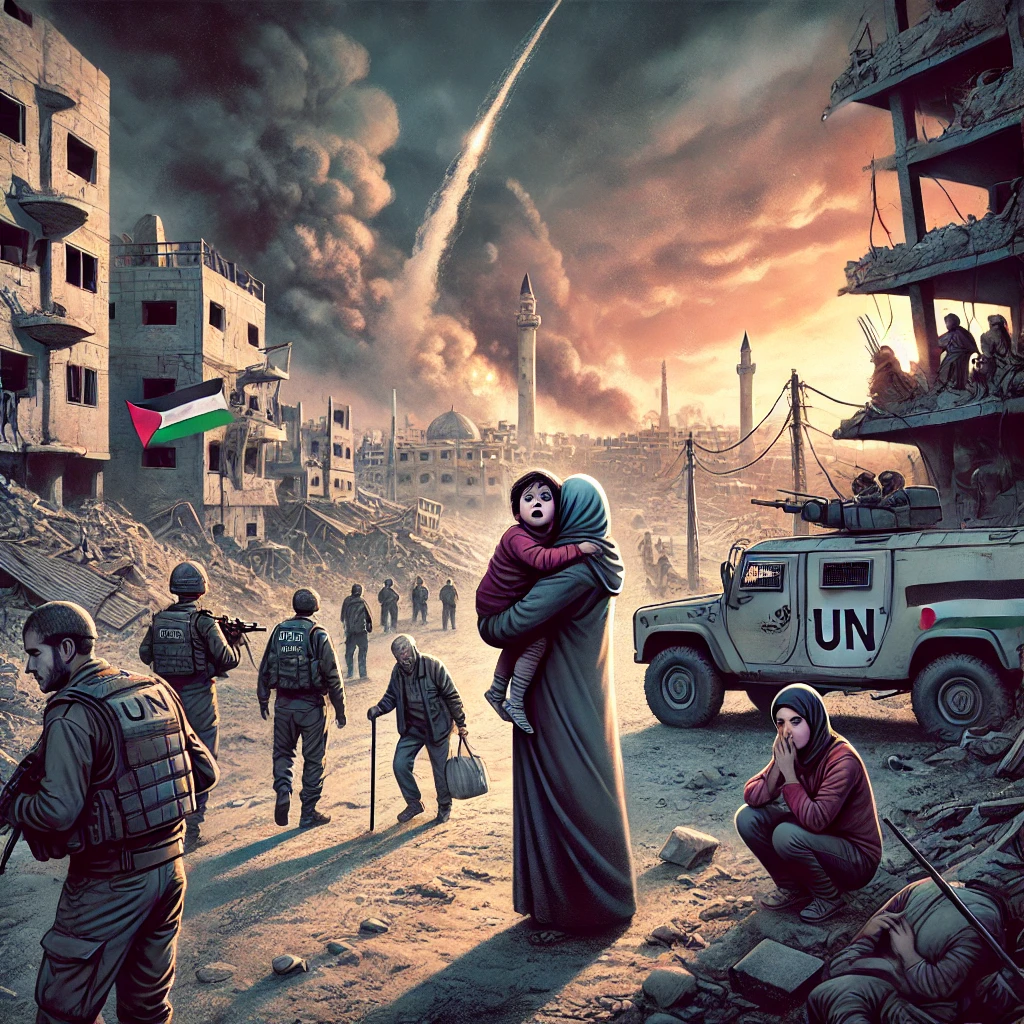
United Nations human rights experts have issued a stark warning that Israel's tightening restrictions on humanitarian operations in Gaza and the West Bank are causing disproportionate and escalating harm to women and girls, deepening an already catastrophic humanitarian crisis.
The experts say the impact is not only immediate but risks entrenching long-term gender inequality and human rights violations.
Women and Girls Bearing the Brunt of Collapse
As access to food, healthcare, shelter, water, and sanitation continues to deteriorate, women and girls are experiencing the harshest consequences.
"Obstructing humanitarian assistance in an already catastrophic context does not affect everyone equally," the experts said. "Those already in vulnerable situations often experience the most severe impacts."
They stressed that the situation constitutes gender-specific harm, with women and girls facing heightened risks to their health, safety, dignity, and survival.
New Restrictions Intensify Crisis
On 30 December 2025, Israel introduced new regulations restricting the operations of 37 international humanitarian organisations, further limiting the delivery of critical aid.
Humanitarian agencies warn that these constraints are compounding an already fragile system, where access to essential services has been severely disrupted by ongoing conflict and infrastructure destruction.
Healthcare System Collapse Endangering Lives
The near-total breakdown of Gaza's healthcare system has created a life-threatening situation for women, particularly those requiring maternal and reproductive care.
According to the experts:
-
Safe childbirth services are largely unavailable
-
Emergency obstetric care is severely limited
-
Essential medicines and supplies are critically scarce
"Denying access to maternal and reproductive healthcare in these conditions puts lives at direct risk," the experts warned.
The most vulnerable groups include:
-
Pregnant women
-
Older women
-
Women with disabilities
-
Female-headed households
Menstrual Health Crisis and Loss of Dignity
The destruction of infrastructure and limited access to WASH (water, sanitation, and hygiene) services have created a severe menstrual health crisis.
Hundreds of thousands of women and girls are reportedly unable to manage menstruation safely, lacking:
-
Sanitary products
-
Clean water
-
Private, safe facilities
This has profound implications not only for physical health but also for dignity and psychological well-being.
Girls Facing Heightened Risks of Exploitation and Harm
Girls are particularly vulnerable as humanitarian conditions deteriorate. The experts highlighted multiple overlapping risks:
-
Malnutrition and preventable diseases
-
Interrupted education due to school closures
-
Exposure to exploitation, violence, and abuse
"When humanitarian aid is blocked, girls are more likely to suffer from hunger, illness, and interrupted education," the experts said.
The erosion of protective systems—such as safe shelters, schooling, and community support—has significantly increased long-term risks for young girls.
Rising Burden of Unpaid Care and Harmful Coping Mechanisms
As families struggle to survive, women and girls are being forced to shoulder increased unpaid care responsibilities, often at the expense of their own health and opportunities.
Experts warn that this dynamic is driving:
-
Physical and emotional exhaustion
-
Reduced access to education and livelihoods
-
Adoption of harmful coping strategies
"This impact constitutes indirect discrimination and further entrenches structural gender inequality," they said.
Legal and Human Rights Concerns
The UN experts underscored that gender-sensitive humanitarian assistance is a legal obligation, not a discretionary measure.
"By obstructing access to aid, Israel is denying women and girls protection and support they are entitled to under international law," they stated.
The situation raises concerns under:
-
International humanitarian law
-
Human rights law, including protections against discrimination
-
Obligations to ensure access to essential services during conflict
Ongoing Engagement
The experts confirmed they are in direct communication with the Government of Israel regarding the restrictions and their humanitarian consequences.
A Deepening Crisis with Lasting Consequences
The warning highlights how humanitarian access restrictions can have unequal and compounding effects, particularly on already vulnerable populations.
As the crisis continues, the experts stress that failure to ensure unhindered, gender-responsive humanitarian assistance risks not only immediate suffering but also long-term societal damage, especially for women and girls.
ALSO READ
-
UN Experts Urge Global Action as US Sanctions Threaten ICC and International Justice
-
Nicaragua’s Removal of 2,000 Lawyers Raises Alarm Over Fair Trials and Legal Rights
-
Inuit Women Deserve the Full Truth About Greenland’s Forced Contraception Campaign
-
West Bank Checkpoints Are Taking Palestinian Time, Livelihoods and Lives, UN Expert Warns
-
Mexico’s Women Searchers Face Murder and Disappearance as UN Demands State Protection


 Google News