

SA Moves to Protect Critical Groundwater Resources with National Regulations
Groundwater—stored in underground aquifers made up of permeable rock, sand, and gravel—has become a critical fallback during droughts and periods of surface water scarcity.
- Country:
- South Africa
As mounting pressure on South Africa's water systems intensifies, government is turning its attention underground—unveiling a landmark regulatory framework aimed at safeguarding groundwater, a resource increasingly vital to the country's long-term water security.
The Department of Water and Sanitation (DWS) has introduced draft National Water Act Regulations focused specifically on the protection and management of groundwater resources. The move marks a significant policy shift, as South Africa previously lacked dedicated regulations governing groundwater, despite its growing importance in both urban resilience and rural water supply.
A Strategic Shift to Secure Water from Below
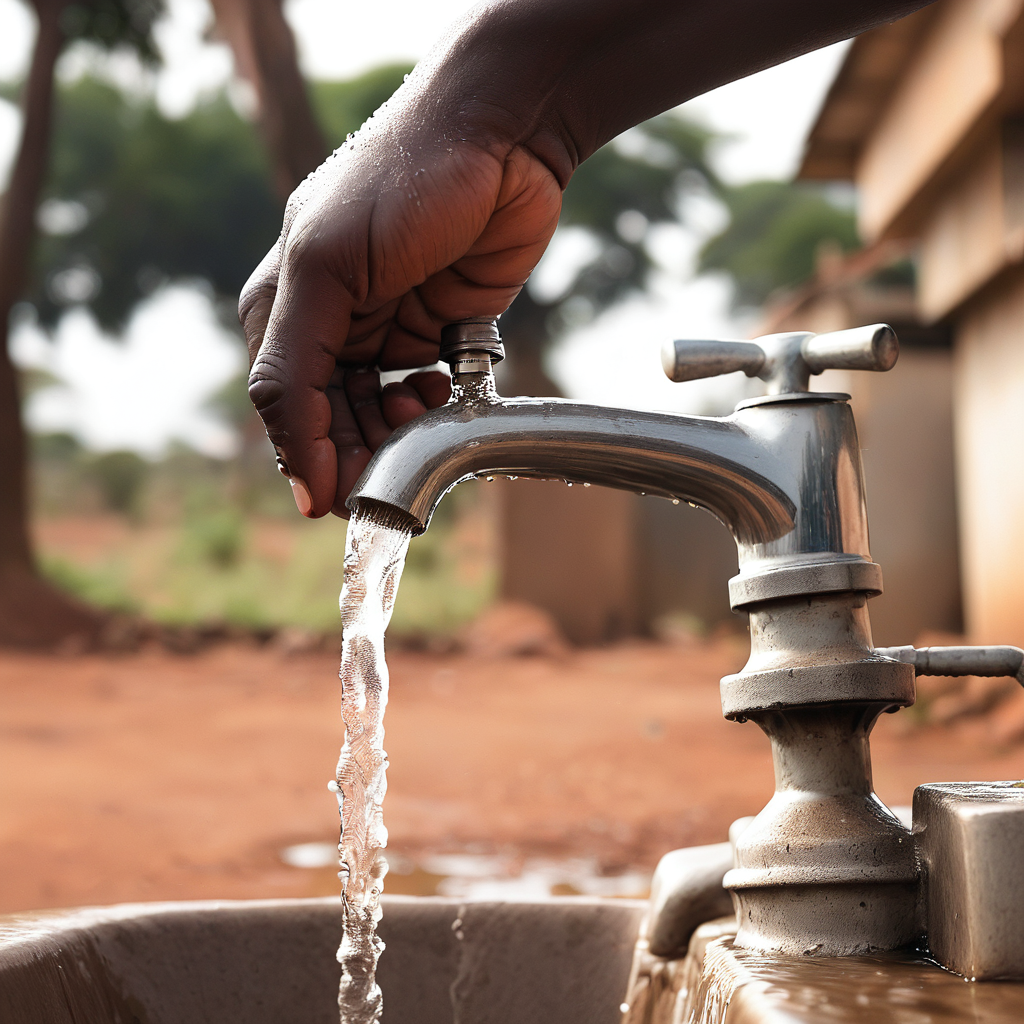
Groundwater—stored in underground aquifers made up of permeable rock, sand, and gravel—has become a critical fallback during droughts and periods of surface water scarcity. Officials say the new regulations are designed to ensure this resource is protected from overuse, contamination, and mismanagement.
"The draft regulations were developed to strengthen the protection, management and sustainable utilisation of groundwater resources in South Africa," said DWS spokesperson Wisane Mavasa, highlighting the resource's importance, particularly in rural communities and during climate shocks.
With climate variability, population growth, and economic expansion placing increasing strain on water systems, authorities warn that groundwater is under unprecedented pressure. More households and businesses are turning to boreholes as alternative water sources, accelerating demand on aquifers.
Closing a Critical Regulatory Gap
While the National Water Act of 1998 provides a broad legal framework for water management, it does not include detailed provisions specific to groundwater. The newly proposed regulations aim to fill this gap by introducing a uniform, enforceable system across the country.
Currently, groundwater practices—such as borehole drilling and management—vary widely, often governed by inconsistent municipal by-laws. The draft regulations seek to standardise these practices nationwide, improving accountability and ensuring minimum construction and operational standards.
This standardisation is expected to:
-
Reduce risks of aquifer contamination
-
Prevent over-extraction of groundwater reserves
-
Improve long-term sustainability of water supplies
-
Strengthen compliance and enforcement mechanisms
Data-Driven Management Through Geosite Registration
A major innovation within the proposed framework is the introduction of a national system for registering geosites, including all boreholes used for groundwater extraction.
Under the new rules, both existing and new groundwater users will be required to register their boreholes, along with detailed geohydrological data. This will enable authorities to build a comprehensive national database, improving monitoring, planning, and resource allocation.
"The systematic capturing of borehole drilling, geosites, and geohydrological information will significantly enhance data and information management," Mavasa explained.
Experts say this data-driven approach could transform how South Africa manages its hidden water reserves, allowing for better forecasting, risk assessment, and crisis response.
Municipal Accountability and Infrastructure Challenges
The regulations also place new responsibilities on municipalities, requiring them to develop groundwater protection schemes within five years of implementation—something that is currently absent across the country.
This comes amid growing concern about the state of municipal water infrastructure. Government assessments, including Blue, Green, and No Drop reports, have repeatedly shown that many municipalities are struggling to maintain water and sanitation systems effectively.
While municipalities hold the constitutional mandate to deliver water services, the DWS will continue to provide oversight, technical support, and regulatory guidance.
"Sometimes municipalities take advice from DWS, sometimes they do not," Mavasa noted, underscoring ongoing governance challenges.
Drought and Climate Risks Drive Urgency
The urgency behind the regulations is closely tied to South Africa's increasing vulnerability to drought and climate variability. Groundwater is often more resilient than surface water sources, making it a critical buffer during water shortages.
Officials warn that as climate conditions become more unpredictable, reliance on groundwater will only grow—making sustainable management essential to avoid long-term depletion.
Public Participation and Next Steps
The draft regulations, published in the Government Gazette on 10 December 2025, were open for public comment until 2 March 2026. The DWS confirmed it has received numerous submissions, which are currently being reviewed.
Once stakeholder inputs are processed, a final version of the regulations will be gazetted for implementation, incorporating relevant feedback to strengthen the framework.
National Response to a Growing Water Crisis
The groundwater initiative forms part of a broader national response to water challenges. Earlier this year, President Cyril Ramaphosa announced the establishment of a National Water Crisis Committee—chaired by himself—to coordinate urgent interventions in struggling municipalities.
The committee is expected to deploy technical expertise and resources to address infrastructure failures, improve service delivery, and stabilise water supply systems.
Water as a Constitutional Right
As South Africa marks 30 years of its Constitution in 2026, the government reaffirmed its commitment to ensuring access to sufficient water as a fundamental human right.
"The Department of Water and Sanitation remains committed to ensuring that all South Africans have access to safe and reliable water services," Mavasa said.
With the introduction of the country's first dedicated groundwater regulations, South Africa is taking a decisive step toward securing one of its most critical yet often overlooked resources—ensuring that water beneath the surface continues to sustain millions above it.


 Google News