

UN Experts Raise Alarm Over Enforced Disappearances and Alleged Deaths in Custody in Nicaragua
One of the most prominent cases cited is that of Brooklyn Rivera, a member of Nicaragua’s National Assembly and a leader of the Miskito Indigenous people.
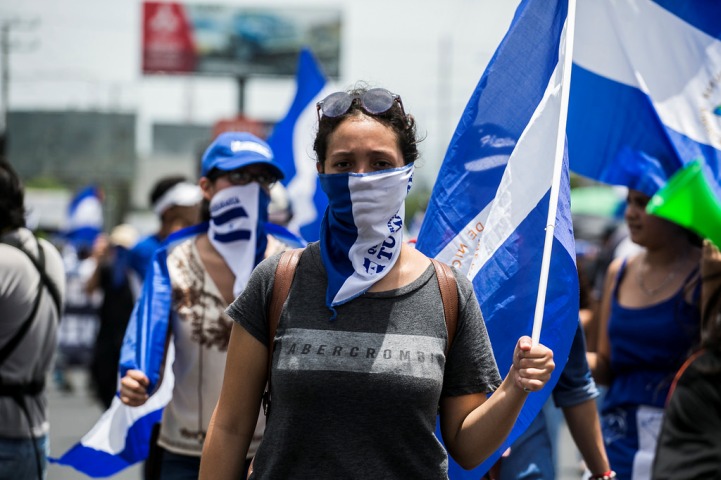
United Nations human rights experts have expressed grave concern over reports suggesting that individuals subjected to enforced disappearance in Nicaragua may have died while in detention under conditions that could amount to torture and other serious human rights violations.
In a strongly worded statement, the experts highlighted the devastating impact of enforced disappearance—not only on victims but also on their families. They stressed that uncertainty surrounding the fate of loved ones causes prolonged psychological suffering, leaving families caught between hope and fear.
One of the most prominent cases cited is that of Brooklyn Rivera, a member of Nicaragua's National Assembly and a leader of the Miskito Indigenous people. Rivera was reportedly detained by the National Police in September 2023 and has since been forcibly disappeared. Information received by UN experts indicates that he may have died while in custody, although no official confirmation has been provided.
The experts also referenced another case in which a forcibly disappeared individual reportedly died in detention in February 2026. According to available information, the body was returned to relatives without a death certificate, raising serious concerns about transparency and accountability.
"In these cases, months and even years have passed without verifiable information about the fate or whereabouts of those disappeared," the experts stated, underscoring a pattern of concealment by authorities.
Reports suggest that detention conditions in Nicaragua are inhumane, with detainees allegedly subjected to torture and cruel treatment. In one particularly alarming account, a detainee is said to be held with hands and feet chained, periodically sedated, and denied access to medical care. Curtains have reportedly been placed over cell bars to prevent visibility, further isolating the individual.
Families seeking answers have faced systemic obstruction. Authorities are accused of denying the presence of detainees in custody, withholding information about their health or location, and failing to disclose details surrounding deaths in detention—including causes of death and burial sites. Compounding the issue, courts have reportedly refused to accept habeas corpus petitions, effectively removing legal avenues for families to challenge unlawful detention.
"It is deeply troubling that people in Nicaragua lack effective judicial mechanisms to protect their rights," the experts noted, warning that such conditions enable the extension of severe human rights abuses.
Fear of reprisals has also contributed to widespread underreporting of enforced disappearances and arbitrary detentions, further obscuring the scale of the issue.
The UN experts suggested that these actions may reflect a broader pattern aimed at suppressing dissent. "What we are observing appears to be a deliberate strategy involving some of the most serious and frightening human rights violations to control the population," they said.
They have called urgently for the Nicaraguan authorities to clarify the fate and whereabouts of more than 112 individuals whose cases have already been raised with the government by the UN Working Group on Enforced or Involuntary Disappearances—so far without response.
Specifically, the experts demanded immediate proof of life for Brooklyn Rivera or, if he has died, full disclosure regarding the circumstances of his death and the location of his remains. They also urged authorities to conduct independent, impartial, and transparent investigations into all reported deaths in custody and to hold those responsible accountable.
The UN experts confirmed they remain engaged with the Government of Nicaragua on these issues, but emphasized that urgent action is needed to address what they describe as a deeply troubling human rights situation.
ALSO READ
-
UNESCO Brings Data to New UN Platform Connecting People With Trusted Information
-
UN Expert Urges Malaysia to Halt Myanmar Returns as Refugees Face War and Violence
-
Nicaragua’s Deepening Rights Crisis Prompts Urgent Call for OAS Action on Democracy
-
Longer Lives, Unequal Care: UN Report Exposes Gaps in Support for Older People Globally
-
Mexico’s Women Searchers Face Murder and Disappearance as UN Demands State Protection


 Google News