

Africa Faces GW-Scale Energy Challenge as AI Boom Drives Explosive Data Center Demand
The rapid adoption of artificial intelligence technologies is driving one of the largest structural shifts in global electricity consumption in decades.
- Country:
- South Africa
The global artificial intelligence revolution is rapidly transforming the world's energy landscape, and Africa is now facing mounting pressure to overhaul its electricity planning models as data center demand accelerates toward unprecedented scale.
Industry experts warn that the continent's traditional approach to power generation — largely focused on incremental megawatt-scale expansion — is increasingly incompatible with the massive and concentrated electricity demands emerging from AI-driven digital infrastructure.
As hyperscale data centers expand globally and AI workloads consume exponentially larger volumes of electricity, African policymakers and energy planners are being urged to shift from conventional energy strategies toward gigawatt-scale infrastructure planning capable of supporting the next era of digital industrialisation.
AI Is Reshaping Global Electricity Demand
The rapid adoption of artificial intelligence technologies is driving one of the largest structural shifts in global electricity consumption in decades.
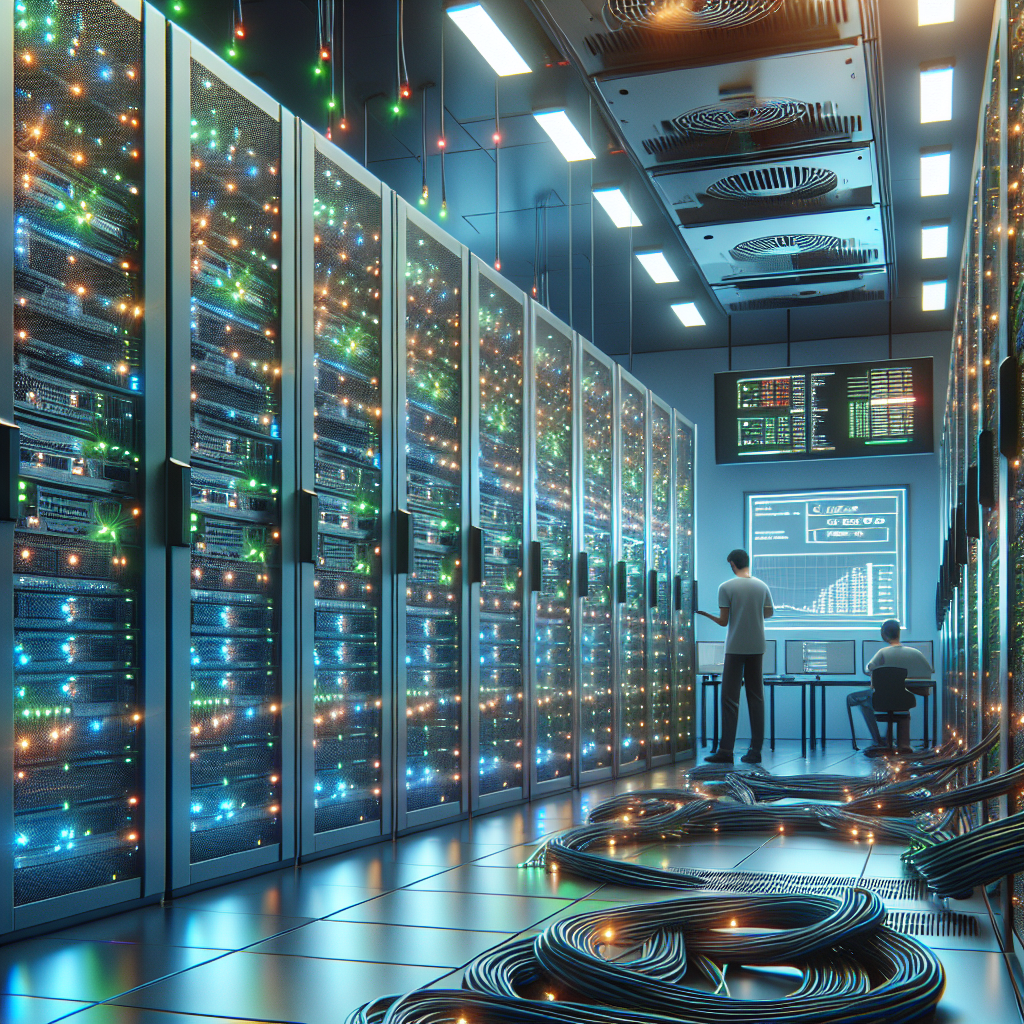
Modern AI systems require enormous computing power, which in turn demands vast networks of high-capacity data centers operating continuously with near-perfect reliability.
Facilities that previously consumed tens of megawatts are now routinely being developed at:
-
100 MW to 200 MW scale
-
Multi-campus hyperscale facilities
-
Gigawatt-level integrated infrastructure hubs
Globally, data center electricity demand is projected to approach:
945 terawatt-hours (TWh) annually by 2030
Analysts say AI workloads are becoming the primary driver of this explosive growth, particularly as:
-
Cloud computing expands
-
Generative AI adoption accelerates
-
Enterprise AI deployment increases
-
Machine learning infrastructure scales globally
Africa's Current Energy Planning Model Under Pressure
Despite possessing abundant natural energy resources, many African power systems remain structured around short-term, incremental electricity expansion designed to address:
-
Localised demand growth
-
Immediate supply shortages
-
Municipal consumption needs
-
Conventional industrial loads
Experts argue this model is now increasingly outdated in the face of AI-era infrastructure requirements.
"This shift presents a structural challenge for Africa," industry stakeholders warn.
The continent's power systems must now prepare for highly concentrated and continuous energy loads unlike traditional industrial demand patterns.
Unlike manufacturing plants or seasonal industries, AI-focused data centers require:
-
Uninterrupted electricity supply
-
Ultra-high reliability
-
Built-in redundancy systems
-
Advanced cooling infrastructure
-
Stable grid frequency
-
Long-term scalability
These demands place entirely new pressures on generation capacity, transmission systems and grid resilience.
Africa's Data Center Sector Growing Rapidly
Africa's data center market remains relatively small compared to global leaders, but growth is accelerating rapidly.
Current operational data center capacity across the continent stands at approximately:
300 MW to 400 MW
However, projections indicate this could increase to:
1.5 GW to 2.2 GW by 2030
At the same time:
-
Data center electricity consumption is growing at 20% to 25% annually
-
Demand is expected to reach approximately 8,000 GWh in the near term
The growth is being driven by:
-
Expanding cloud services
-
AI adoption
-
Mobile internet penetration
-
Fintech expansion
-
Digital government services
-
E-commerce growth
-
Rising enterprise digitisation
Countries such as South Africa, Kenya, Nigeria, Egypt and Morocco are increasingly emerging as regional digital infrastructure hubs.
Gigawatt-Scale Planning Becoming Essential
Energy analysts say the scale of future AI infrastructure means Africa can no longer rely solely on piecemeal power expansion.
Instead, there is growing support for:
-
Gigawatt-scale power generation projects
-
Integrated energy and digital infrastructure planning
-
Long-term transmission investment
-
Dedicated energy corridors for data centers
-
Strategic digital infrastructure zones
Experts argue that future energy systems must be designed not merely to meet existing demand, but to anticipate future hyperscale requirements.
This includes closer alignment between:
-
Energy developers
-
Governments
-
Telecom providers
-
Cloud computing firms
-
Data center operators
-
Infrastructure investors
The shift could fundamentally reshape how African economies approach industrial development.
Excess Power Capacity No Longer Seen as Waste
One of the most significant changes in thinking involves how governments view surplus electricity generation.
Historically, excess generation capacity in African power systems has often been considered financially inefficient due to:
-
Underutilisation
-
High infrastructure costs
-
Weak industrial demand
-
Revenue pressures
However, AI-driven infrastructure is changing that equation.
Experts now argue that maintaining excess capacity can:
-
Improve grid stability
-
Reduce blackout risks
-
Enable rapid digital expansion
-
Attract hyperscale investors
-
Support industrial diversification
-
Create flexibility for future economic growth
In the AI era, spare electricity capacity may increasingly become a strategic competitive advantage rather than a financial burden.
Northern Virginia Demonstrates Scale of Future Demand
Industry leaders frequently point to Northern Virginia — currently the world's largest data center market — as an example of how rapidly AI-related infrastructure can scale.
The region now exceeds:
4 GW of installed data center capacity
More than:
1 GW of additional supply was added in a single year alone
Driven largely by:
-
Major cloud providers
-
Artificial intelligence companies
-
Hyperscale infrastructure firms
The market has become so competitive that vacancy rates are approaching zero, with much of the new capacity leased well before completion.
Analysts say the Northern Virginia example demonstrates the scale and speed at which digital infrastructure can reshape energy systems.
African Energy Week 2026 to Prioritise AI Infrastructure Debate
The intersection between AI, energy and digital infrastructure is expected to become a major focus at African Energy Week 2026.
The event's dedicated AI and Data Center Track will explore:
-
Energy infrastructure requirements for AI
-
Data center power reliability
-
Grid modernisation
-
Investment opportunities
-
Telecom-energy integration
-
Regulatory reforms
-
Digital industrialisation strategies
Stakeholders believe reliable energy availability is now becoming one of the primary determinants of future digital competitiveness.
African Energy Chamber Calls for Strategic Shift
NJ Ayuk, Executive Chairman of the African Energy Chamber, said Africa must urgently adapt its energy planning to match the scale of global digital transformation.
"This is ultimately about aligning Africa's energy strategy with where global demand is heading," Ayuk said.
"If we continue to plan in megawatts, we will struggle to compete in an economy that is already moving at the gigawatt scale."
Ayuk warned that building larger and more resilient energy systems is no longer simply about meeting current demand.
Instead, he said, it is increasingly about creating the conditions necessary for:
-
AI investment
-
Innovation ecosystems
-
Digital infrastructure expansion
-
Industrial growth
-
Long-term economic competitiveness
AI Infrastructure Could Reshape Africa's Economic Future
Experts say Africa's ability to adapt its energy systems for AI-era demand could significantly influence:
-
Foreign direct investment
-
Digital economy growth
-
Technology sector development
-
Industrial competitiveness
-
Job creation
-
Innovation ecosystems
As artificial intelligence increasingly becomes central to global economic activity, access to abundant, stable and scalable electricity is rapidly emerging as one of the most critical foundations for future development.
For Africa, the challenge is no longer simply generating more electricity — but building energy systems capable of supporting an economy that is rapidly transitioning into the gigawatt age.


 Google News