

Temple or Mosque? The Legal Tangle of India's Iconic Worship Sites
The disputed religious sites in India have triggered a series of legal battles over their true character. Notable cases include Bhojshala-Kamal Maula Mosque in Madhya Pradesh, Krishna Janmabhoomi in Mathura, Kashi Vishwanath in Varanasi, and others. These cases often invoke the Places of Worship Act, 1991.
- Country:
- India
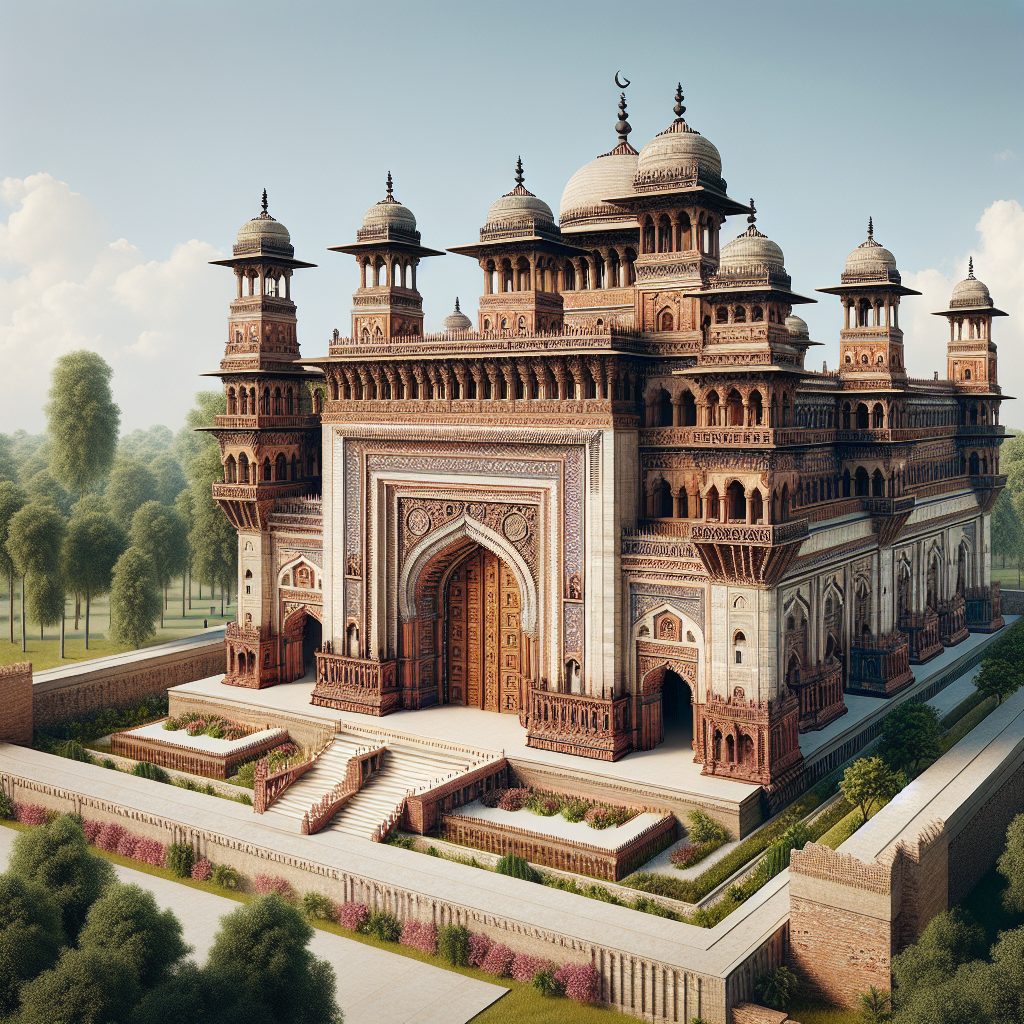
The Bhojshala-Kamal Maula Mosque site in Dhar district has been at the center of a significant legal battle, with the Madhya Pradesh High Court declaring it a temple dedicated to Goddess Saraswati. This case is among several notable disputes regarding the religious character of worship places in India.
The high court nullified an old Archaeological Survey of India order that permitted only Muslim Friday prayers at the site, revoking restrictions on Hindu worship within the complex. Alongside major cases like Ayodhya, issues in Mathura and Varanasi are pivotal in these legal confrontations.
Central to these disputes is the Places of Worship (Special Provisions) Act, 1991, mandating the preservation of the religious status of a place as on August 15, 1947. Several legal suits challenge the law as litigations continue to unfold across the country.


 Google News