

UN Rights Chief Urges Action to Protect ICC After US Imposes Sanctions on Court
Countries outside the Court’s membership also have a responsibility to respect its independence and work, Türk said.
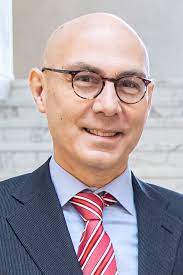
UN High Commissioner for Human Rights Volker Türk has called for urgent action to protect the International Criminal Court (ICC), describing institutional sanctions imposed by the United States as "unacceptable" and warning that pressure on the Court could undermine the people working to deliver justice.
In the supplied UN statement, Türk urged governments to defend the Court's independence and protect the organisations and individuals who cooperate with it. His appeal centres on a concern with consequences far beyond the institution itself: efforts to investigate and prosecute serious violations depend on people being able to do their work without fear of retaliation.
A Call for the Court's Members to Act
Türk directed his strongest appeal to the 125 States Parties to the Rome Statute, the treaty that established the ICC. Describing them as a full two-thirds of the international community, he said these countries have a particular obligation to protect the institution they created and ensure it can continue functioning.
His call went beyond expressions of support, urging member states to take immediate steps to defend the Court's work and safeguard those who assist it. The statement did not set out specific protective measures, but made clear that sanctions must not discourage cooperation with investigations or the pursuit of justice. Countries outside the Court's membership also have a responsibility to respect its independence and work, Türk said.
Sanctions Reach Across the ICC's Leadership
The latest US announcement follows a series of sanctions imposed since February 2025 against nine of the Court's 18 judges, its former Prosecutor, both Deputy Prosecutors and a senior staff member.
Türk described these measures as retaliatory steps against people whose daily work supports accountability for some of the gravest human rights violations. His concern is that sanctions can create a chilling effect, leaving staff and those cooperating with the Court fearful of the consequences of carrying out their responsibilities.
He had previously warned that sanctioning judges and prosecutors for fulfilling their mandates in accordance with international law attacks the rule of law and weakens justice, whether those officials serve in national, regional or international institutions.
Russian Convictions Draw Condemnation
Türk also condemned earlier convictions handed down in absentia in the Russian Federation against the then ICC Prosecutor and eight judges. Those proceedings resulted in prison sentences of up to 15 years.
By raising both the Russian convictions and the US sanctions, his statement addressed different forms of pressure directed at the Court and its personnel. He called for all sanctions against the ICC and its staff to be withdrawn.
The appeal places the independence of justice officials at the centre of the issue, stressing their ability to fulfil their mandates without punishment for work carried out under international legal standards.
Accountability Matters for People Facing Violence
For Türk, protecting the ICC is part of a wider need to confront impunity in conflicts and crises around the world. When serious violations go unpunished, violence and suffering can continue, making accountability essential to the lives of people affected by those abuses.
He called for greater investment in justice and accountability, including support for those who document violations, investigate allegations and bring prosecutions.
His message was direct: governments should protect the people and institutions responsible for pursuing justice, because penalising their work risks weakening the very processes intended to hold perpetrators accountable.
ALSO READ
-
WHO Urges Shift From Psychiatric Institutions to Mental Health Care in Communities
-
UN Raises Alarm Over Israeli Incursions, Detentions and Civilian Harm in Southern Syria
-
UN Experts Urge Global Action as US Sanctions Threaten ICC and International Justice
-
Canada Must Close Gaps Between Anti-Racism Promises and Daily Reality, UN Expert Says
-
UN Expert Calls for Action as Violence Against Older Women Remains Largely Hidden


 Google News