

Has COVID Made People More Fearful?
For many people, COVID is still an incredibly prominent part of their lives. As travel restrictions eased, naturally, many people felt tentative about stepping back onto a plane, but others found themselves chomping at the bit to get away. But has COVID made people more fearful in general? Here are a few factors that may have played into the entire process.
People's Renewed Sense of Freedom
Many people have decided to get back and do the things they always wanted to do. The pandemic, for so many people, caused them to reevaluate their entire lives. This is why many people decided that now is the time to emigrate and live the life they've always wanted. Many an international moving company played their part in helping people to start all over again, and people's renewed sense of freedom has made them more adventurous, not just in terms of travel, but in adapting their own life.
In many parts of the world, people decided to move to rural parts of the country because they were fed up with urban existence, but they wanted to get more out of their lives. The pandemic put so many things into focus, namely the fact that people were on the treadmill of life for way too long. Therefore, people's renewed sense of freedom after the pandemic lifted either stimulated people to go and live their best lives without restriction, or others decided to retreat into their shells.
The Stark Message of COVID
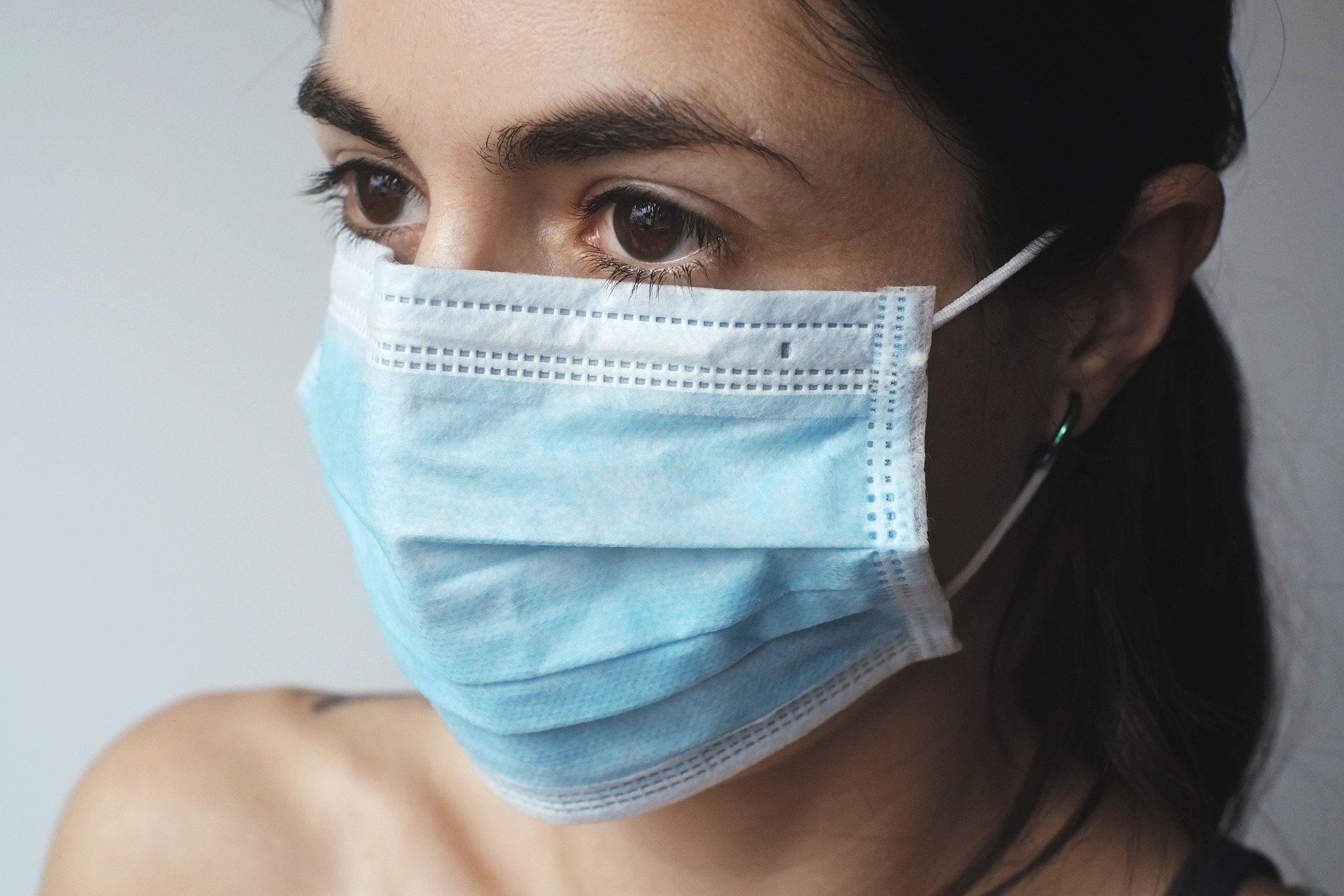
The other side of the coin is that many people are now much more cautious. Many people used to look at individuals with face masks and scoff. Tourists that travel in built-up areas of Japan or China used to wonder why people would wear face masks, but there's a combination of effects at play. Firstly there is the pollution, but also the pandemics that they experienced. This is why now there's major upheaval with regard to the very slow easing of restrictions in China.
However, many people have now come out of the pandemic with a renewed sense of perspective, but this has somewhat made them more fearful. We could argue that in one respect it's made us more considerate of our fellow human beings. For example, if we have a cold, and we are spending time in enclosed environments, it is common sense to wear a mask so we don't pass on illness to others. However, now that the pandemic has passed for the vast majority of the world, people have now started to revert back to their old ways of thinking. This is just human nature, because in the grand scheme of things, a 2-year pandemic may have impacted a small group of society and changed the way some people think, but others were just waiting just to go back to their old habits.
This has meant that now, with numerous waves of COVID still going, it's being considered in the same breath as the flu or any winter bug. People who have more robust immune systems, and tended to fare well when they had COVID will carry on regardless, but there are the smaller factions of society that are more vulnerable and have needed to protect themselves. This means that while we don't always see people wearing masks, many are still in this way of thinking and are wearing masks constantly because they need to protect themselves. Of course, the problem with wearing masks to protect yourself is not conducive. The effectiveness of mask-wearing is when you are wearing a mask to protect others. Unfortunately, we have hit the point where people are now fed up with wearing masks.
What is Life Going to Be Like in a Post-COVID World?
We are only seeing the very beginnings of proper post-COVID life. We have seen people throwing themselves back into life because they felt they missed out. It is easier to empathize with younger people who want to catch up with friends and regain a part of their youth that they had lost, but this is where we are going to see significant superspreaders in major events.
And as we approach the Christmas season, where people are spending time with their loved ones, there are individuals who are still doing their best to space out meetups, so they don't pass on something to an immunocompromised loved one. But then there are the individuals who are arguing that life needs to get back to normal.
The immunocompromised individuals in society were always left behind, even prior to the pandemic. We are just seeing now that as life returns to some sense of normal, there are clear factions at play. There are people who are still religious mask-wearers, not just so they can protect others, but because they need to set an example. The best thing we can all do is, very simply, think that mask-wearing is not a practice that was part and parcel of the pandemic, a piece of the past, but it is something that is so simple we can do to provide that little bit of protection, even if it's something as simple as a scratchy throat.
We have got to the point where we must start living with COVID and many think of it as a part of the winter flu virus, but perhaps, this is a morality tale where we need to think more about the devastating impacts of the flu.
We see cases in hospitals rise because of the flu, and it's not just senior citizens. but a wide range of members of society. COVID-19 is the defining event of the last few years because, and many people viewed it as just a strain of the flu and not worth the preventive measures. But it's far more important for us to use COVID as a major lesson in the fact that it's not just about that virus, but about the common viruses that we are all exposed to in every part of our lives that can have a devastating impact.
(Disclaimer: Devdiscourse's journalists were not involved in the production of this article. The facts and opinions appearing in the article do not reflect the views of Devdiscourse and Devdiscourse does not claim any responsibility for the same.)


 Google News