

Access to pipe-borne water limited to less than 10 percent in Nigeria: Report
It is reported that access to safely managed drinking water supply services in the six-geo political zones varies from each other in the country, stating lower access (7 percent) by rural population to the population (29 percent) living in urban areas.
- Country:
- Nigeria
The access to pipe-borne water in Nigeria declined to 18 million people in 2019 from 21 million people in 2018, according to a report by Premium Times.
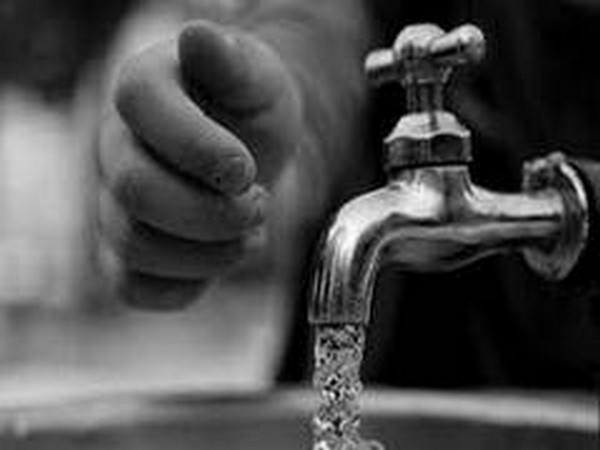
The report revealed that only a smaller part of Nigeria's population, which constitutes less than 10 percent of the total can access pipe-borne water, whereas the rest of the population is deprived of the basic necessity in the country.
The WASH NORM report which was published earlier this November in a survey reportedly showed that the number in 2019 has dropped by 3 million people compared to 2018. The survey displayed a drop in accessibility to basic services such as water, sanitation, and hygiene in the country.
Highlighting key findings from the survey, the report showed that out of 171 million SDG targeted people only 14 percent of total have access to 'safely managed drinking water supply services'. Showing that the access to safely managed drinking water supply services in the six-geo political zones varies from each other in the country, remarking lower access (7 percent) by rural population to the population (29 percent) living in urban areas it makes a stark disparity in access to safely managed services among the richest (43 percent) and the poorest households (2 percent), as per the reports.
It stated that 39 percent of the population is dependent on boreholes/tube wells embarking them as the common source of drinking water in the country, as it read, "only 9 per cent of the population use pipe-borne water and just 4 per cent use pipe-borne water on premises. Similarly, about a quarter of the population (24 per cent) still depend on unimproved and surface water supply. Two-thirds of the population (66 per cent) use drinking water supplies contaminated by thermotolerant coliform at the point of collection and a similar proportion (63 per cent) ingest contaminated water at the point of consumption within the household".
Reporting the percent in the country, the report quoted, "31 per cent of the population have access to improved water supply within the premises and the average time to fetch water 19 minutes for households whose water points are not located within premises; up to half (49 per cent) of the households are not satisfied with the level of the water supply services mainly due to the location and time spent to fetch."
The WASH NORM report was published in an annual survey conducted by the Federal Ministry of Water Resources (FMWR) in collaboration with the NBS and UNICEF.


 Google News