

UN Women: 25 Years On, the Women, Peace and Security Agenda Faces a Defining Test
For UN Women, these voices form the heart of its mission — to ensure that women are not mere witnesses to conflict, but active participants in shaping peace.
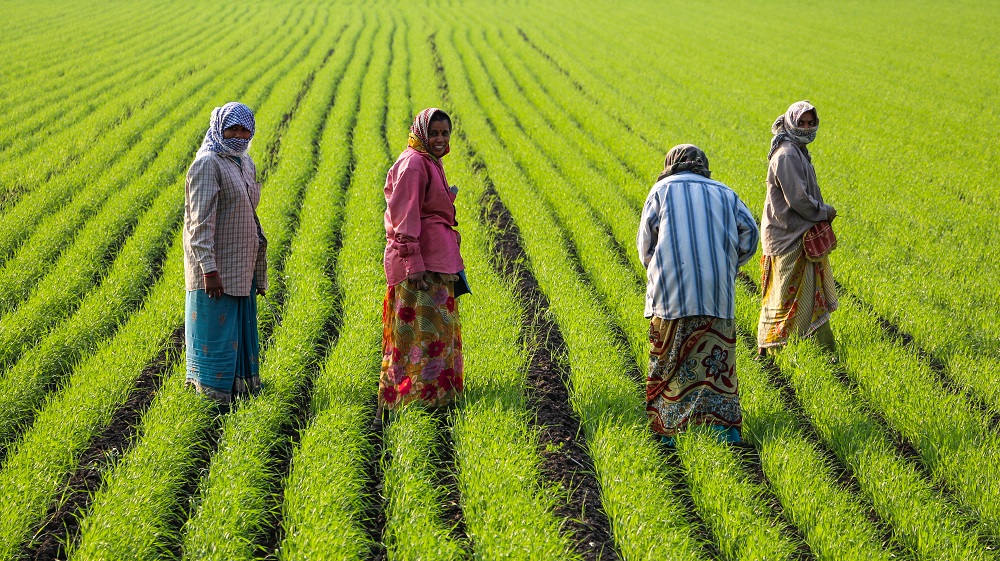
Around the world, the voices of women and girls echo a universal message — "Ceasefire." "End the war." "Stop the brutality." These are not just pleas for survival, but powerful calls for peace, justice, and equality.
For UN Women, these voices form the heart of its mission — to ensure that women are not mere witnesses to conflict, but active participants in shaping peace. Yet, 25 years after the adoption of United Nations Security Council Resolution 1325, which established the Women, Peace and Security (WPS) agenda, the world is still falling short of its commitments.
A Vision for Peace Through Equality
When Resolution 1325 was adopted on 31 October 2000, it marked a historic shift in how the world viewed conflict and peacebuilding. For the first time, global leaders recognized that wars affect women and girls in unique, devastating ways, and that sustainable peace is impossible without their full participation.
The resolution called for a fundamental transformation — expanding the focus from battlefields and powerbrokers to the lived realities of women in conflict zones. It enshrined the right of women to participate equally in peace negotiations, governance, and reconstruction.
Today, the WPS framework rests on four key pillars:
-
Prevention: Strengthening gender equality to reduce the likelihood of conflict and prevent violence against women.
-
Protection: Ensuring women's rights and safety, particularly against sexual violence and exploitation in times of war.
-
Participation: Guaranteeing women's meaningful involvement in all peace and security decision-making, from local councils to national governments.
-
Relief and Recovery: Addressing the distinct needs of women and girls during post-conflict rebuilding — from access to food, healthcare, and education, to social and economic reintegration.
These principles are now embedded in 10 UN Security Council resolutions, binding on all member states.
From Policy to Practice: Women Leading Change
Over the past quarter century, the WPS agenda has inspired progress in every region of the world. In Colombia, women played pivotal roles in ending the civil war and are now shaping transitional justice. In Ukraine, women-led networks have mobilized to protect communities and document human rights violations.
In South Sudan, Police Commissioner Christine Fossen, head of the UN Police Component in the UN Mission, is mentoring the next generation of women peacekeepers. "Leadership is not about rank," she says. "It's about using your voice, protecting others, and setting an example every day."
Across the Middle East, women are defying conflict and occupation to advocate for justice. Randa Siniora, a Palestinian lawyer and human rights defender, has spent over 30 years advancing gender justice under military occupation. "As Palestinian women, we don't want to be seen only as victims," she said. "We are initiators of change, asking first and foremost for prevention, protection, and meaningful political participation."
In 2018, Siniora made history as the first Palestinian woman civil society representative to brief the UN Security Council on women's rights.
Women at the Heart of Peacebuilding
Evidence continues to show that peace agreements are more likely to endure when women are involved. Their participation broadens the scope of peace talks — incorporating issues such as education, healthcare, and human rights that are often overlooked in traditional, male-dominated negotiations.
In Afghanistan, women's organizations persist in advocating for girls' education and freedom, even under severe repression. In Sudan and Gaza, women-led humanitarian networks are providing essential services, from trauma counseling to the distribution of aid, despite unimaginable danger.
In Mozambique, displaced women like Quibibi Faquihe Buana are leading peace efforts in resettlement camps, training other women on violence prevention and using digital tools to report abuses. "Knowing that I am a woman with the power to prevent acts of violence inspires me to lift up those women who feel at their lowest," she said.
Progress, but an Unfinished Agenda
Despite notable progress, the WPS agenda faces persistent underfunding and political neglect. Only 115 countries have developed national action plans to implement Resolution 1325, and many lack sufficient resources to carry them out.
Even as more women join peacekeeping missions and security forces, structural barriers remain — from discriminatory laws to the exclusion of women from ceasefire negotiations. Gender-based violence continues to be used as a weapon of war, while women human rights defenders face threats and reprisals for their activism.
"Crimes against women and girls are no longer tolerated as the price of war," UN Women notes, "but justice remains uneven, and accountability remains rare."
Linking Gender Equality, Peace, and Development
The struggle for peace and gender equality is inseparable from the broader fight for development and justice. This year marks not only 25 years of the WPS agenda, but also 30 years since the Beijing Declaration and Platform for Action — the world's most ambitious roadmap for achieving gender equality.
The Beijing+30 process calls for full financing of WPS national plans and greater investment in women-led grassroots organizations. UN Women argues that funding local initiatives is key to achieving meaningful, lasting peace.
"Equality, empowerment, and the fulfillment of women's and girls' fundamental rights must not be a luxury, but a reality accessible to every woman and every girl," said Pédrica Saint-Jean, Haiti's Minister for Women and Women's Rights. A survivor of multiple armed attacks, she now leads efforts to strengthen women's leadership and fight gender-based violence in one of the world's most fragile states.
The Path Forward: A Global Call to Action
As conflicts rage across continents — from Ukraine to Sudan, Gaza to Haiti — UN Women warns that the WPS framework is more urgent than ever. Global instability, climate change, and rising authoritarianism are reversing years of progress on gender equality.
But there is hope. The WPS movement has grown from a policy framework into a global network of women peacebuilders, community leaders, and youth activists demanding inclusion.
"Without women, peace will not last," UN Women stresses. "When women lead, peace follows."
UN Women is urging governments to:
-
Fully implement and fund WPS national action plans;
-
Protect women peacebuilders and human rights defenders;
-
Ensure women's representation in all peace and security decision-making bodies;
-
Invest in women-led recovery and reconstruction after conflict;
-
Expand data collection to monitor progress and accountability.
A Turning Point for Global Peace
The 25th anniversary of Resolution 1325 is both a celebration and a warning. It affirms how far the world has come — but also how fragile progress remains.
"When women speak, they speak for humanity," said one UN Women representative. "The question now is not whether they will continue to lead — they already are. The question is whether the world will listen."
ALSO READ
-
Food Price Shock Could Push 11.7 Million More Women and Girls Into Hunger in 2026
-
Women Leaders Push for Real Power and a Stronger Voice at UNGA81
-
UN Women Launches New AI Hub to Put Women’s Rights at Heart of Digital Future
-
UN Women Urges Peace Funding as Global Leaders Back Women’s Role in Security Decisions
-
UN Women and Croatia Call for Global Action to Stop Online Violence Against Women


 Google News