



ILO–FAO Report Warns 80% of Farm Workers in Latin America Remain Informal
The report, Decent Work and Informality in the Agricultural Sector of Latin America, 2019–2023, highlights how deep structural inequalities continue to undermine the region’s agricultural workforce.
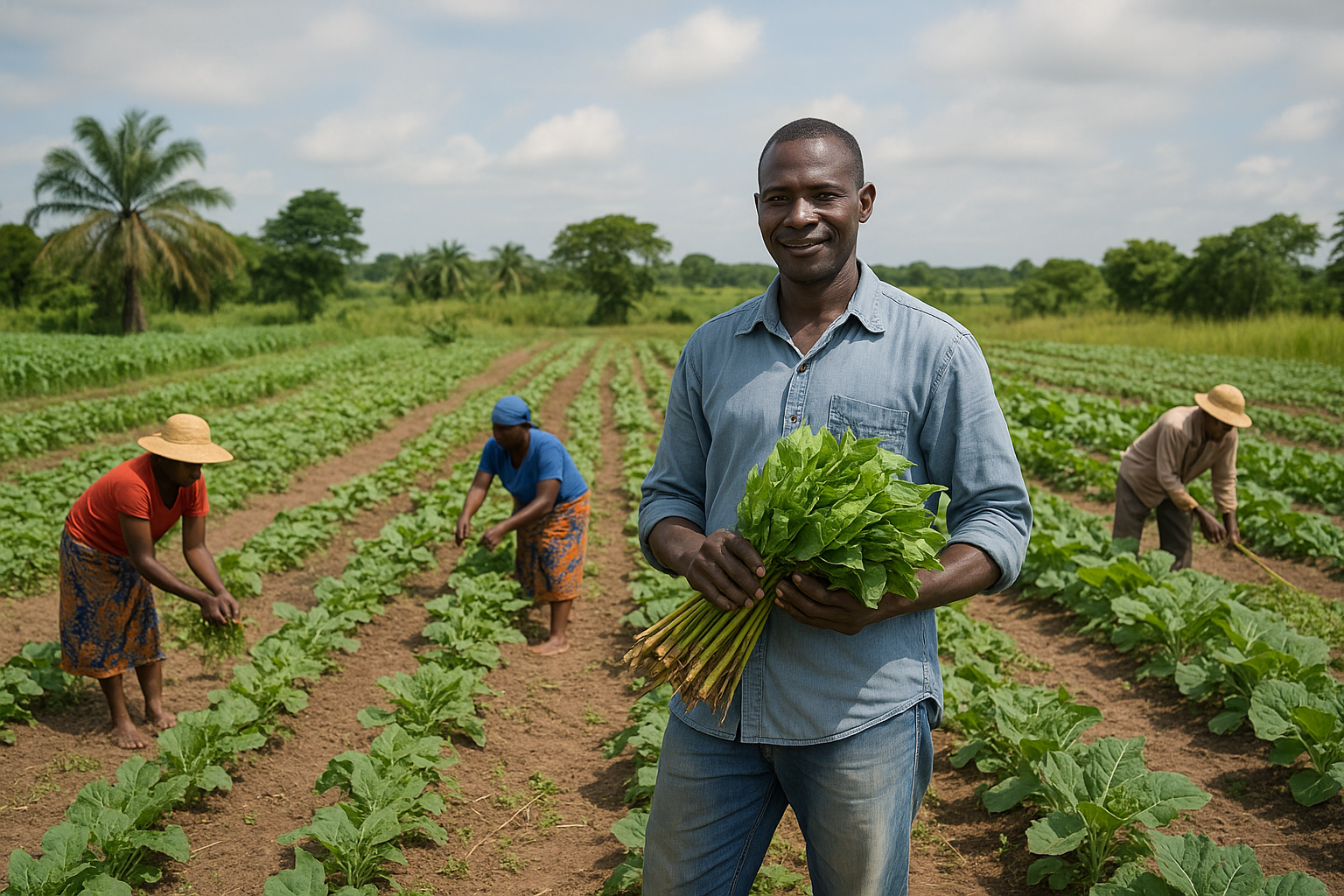
A new joint report by the International Labour Organization (ILO) and the Food and Agriculture Organization of the United Nations (FAO) warns that over 80 per cent of agricultural employment in Latin America continues to operate outside formal labour systems—leaving millions of rural workers without labour protections, stable income, or access to social security. The report, Decent Work and Informality in the Agricultural Sector of Latin America, 2019–2023, highlights how deep structural inequalities continue to undermine the region’s agricultural workforce.
The findings show that informal labour arrangements disproportionately impact women, young people and older persons, particularly in rural areas where poverty, limited digital access, and low education levels remain widespread. Despite agriculture’s central role in food security, rural livelihoods, and economic resilience, the sector remains marked by precarious jobs, low wages, unsafe conditions, and exposure to climate-related risks.
“Informality Remains One of the Toughest Barriers to Social Justice”
Ana Virginia Moreira Gomes, ILO Regional Director for Latin America and the Caribbean, described informality as one of the region’s most deeply rooted development challenges:
“Informality remains one of the most entrenched obstacles to social justice and sustainable development in Latin America. This report provides a roadmap to tackle it through integrated policies with a territorial approach.”
She noted the report’s alignment with ILO Recommendation No. 204, the FORLAC 2.0 strategy, and the ILO–FAO Joint Programme designed to accelerate rural employment formalization.
FAO Regional Representative René Orellana stressed that transforming agricultural employment is essential to strengthening the region’s resilience:
“Securing decent work in the agricultural sector is not only about improving labour conditions; it is about strengthening our countries’ resilience, ensuring food security for millions, and enhancing the region’s capacity to face global challenges.”
Orellana called for increased rural digitalization, sustained financial investment, and inclusive social dialogue to advance meaningful reforms.
Women and Youth Face the Highest Rates of Informality
According to the report’s detailed analysis:
-
86.4% of women in agricultural work are in informal employment—higher than the 78% of men.
-
38.5% of women are engaged in unpaid family labour—five times the rate of men.
-
Agriculture accounts for 46% of all child labour in the region.
-
Over half of agricultural workers have low educational attainment.
-
Seasonal, part-time and contract-free work dominates the sector.
-
Nearly 50% of youth in agriculture work informally, with limited pathways to stable jobs.
Between 2019 and 2023, the total number of agricultural jobs remained relatively stable, but no significant progress was made in shifting workers into formal employment.
Policy Gaps and the Path Forward
The report reviews 35 public policy initiatives across Latin America. While many efforts focus on increasing productivity or promoting rural development, few strategies explicitly target employment formalization or mainstream a gender perspective.
To address these gaps, the report sets out ten concrete policy recommendations, which include:
-
Strengthening rural social protection systems
-
Creating incentives for small producers to enter formal labour markets
-
Enhancing labour inspections and enforcement
-
Integrating climate adaptation with decent work strategies
-
Improving access to training, education and digital tools
-
Expanding childcare, care services and women’s economic inclusion
-
Bolstering collective bargaining and rural workers’ organizations
These measures aim to tie together productivity, social protections, labour rights and social dialogue—turning persistent informality into sustainable, dignified employment opportunities.
A Call to Transform Rural Work and Rural Futures
Both ILO and FAO reaffirm their commitment to supporting governments, employers and workers across Latin America. They stress that transforming agricultural employment is essential not only for economic development but also for food security, climate resilience, and rural equality.
The report argues that rural workers deserve more than temporary solutions—they deserve a future where the agricultural sector becomes a driver of fairness, opportunity and sustainability for millions.


 Google News