

UN Report Details Systematic Abuse of Migrants in Libya
The report also documents dangerous interceptions in the central Mediterranean by Libyan actors.
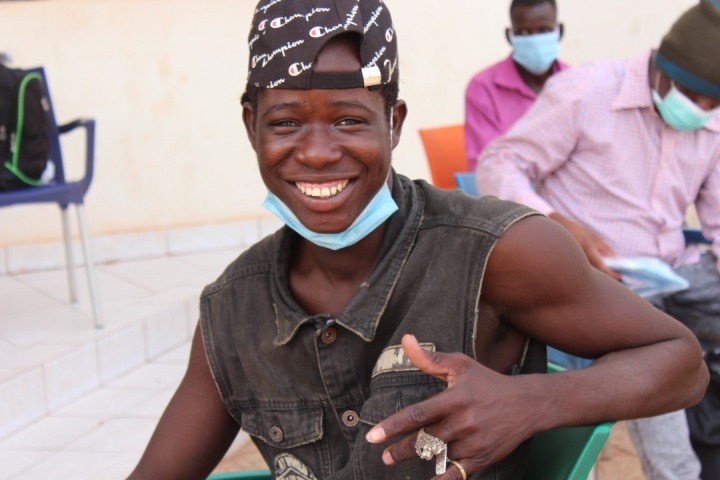
Migrants, refugees and asylum-seekers in Libya are facing killings, torture, sexual violence and trafficking in what the United Nations describes as a "brutal and normalised" system of abuse, according to a new report released today.
The joint report by the UN Human Rights Office and the UN Support Mission in Libya (UNSMIL) concludes that exploitation of migrants has become entrenched, with criminal networks — often operating with alleged links to Libyan authorities and foreign actors — profiting from widespread violations.
"Business as Usual" Exploitation
Covering the period from January 2024 to December 2025, the report describes an "exploitative model preying on migrants, asylum-seekers and refugees in situations of heightened vulnerability [that] has become business as usual".
Based on interviews with nearly 100 migrants from 16 countries across Africa, the Middle East and South Asia, the findings point to systematic patterns of abuse rather than isolated incidents.
Migrants are reportedly rounded up, abducted or intercepted, separated from families, and transferred to detention facilities without due process — often at gunpoint. The UN says these practices amount to arbitrary detention.
Torture, Sexual Violence and Slavery in Detention
Inside official and unofficial detention centres, migrants are subjected to severe abuses including:
-
Slavery and forced labour
-
Torture and ill-treatment
-
Forced prostitution and sexual violence
-
Ransom and extortion
-
Confiscation and resale of belongings and identity documents
Women and girls appear particularly vulnerable.
An Eritrean woman detained for more than six weeks in a trafficking house in Tobruk described repeated sexual assault.
"I wish I died. It was a journey of hell," she told investigators. "Different men raped me many times. Girls as young as 14 were raped daily."
She was released only after her family paid a ransom.
Another survivor described traffickers forcibly cutting open her and a friend who had previously undergone female genital mutilation before raping them. Her friend later died due to severe bleeding.
In one account, a woman detained in a hangar said armed men routinely removed women at night to rape and beat them.
"I was raped twice in that hangar before my daughters and other migrants," she said. "My daughter was traumatised and is still asking me about that night."
Dangerous Interceptions at Sea
The report also documents dangerous interceptions in the central Mediterranean by Libyan actors.
According to the findings, interceptions often involve hazardous manoeuvres, threats and excessive use of force, placing lives at risk. Those intercepted are typically returned to Libya, where they face renewed cycles of detention and abuse.
Collective Expulsions and Risk of Refoulement
The UN report also condemns frequent collective expulsions from Libya in violation of international human rights and refugee law, including protections under the African Union Refugee Convention.
Migrants are reportedly deported without individual case assessments, denying them the right to seek asylum and exposing them to potential refoulement — being returned to countries where they may face persecution or harm.
Those expelled along border regions are often abandoned in life-threatening conditions, without access to water, food or medical care.
UN Leaders Condemn "Abusive Business Model"
UN High Commissioner for Human Rights Volker Türk described the situation as a "never-ending nightmare".
"There are no words to describe the never-ending nightmare these people are forced into, only to feed the mounting greed of traffickers and those in power profiting from a system of exploitation," he said.
Hanna Tetteh, the Special Representative of the Secretary-General for Libya, said detention facilities have become "breeding grounds for gross violations of human rights".
Calls for Immediate Action
The report urges Libyan authorities to:
-
Immediately release all arbitrarily detained migrants
-
End dangerous interception practices
-
Decriminalise irregular entry, stay and exit
-
Dismantle systems of modern slavery and human trafficking
-
Ensure accountability for human rights violations
It also calls on the international community — including the European Union — to establish a moratorium on interceptions and returns to Libya until adequate human rights safeguards are in place.
The UN further urges governments to apply strict human-rights due diligence to all funding, training, equipment and cooperation involving Libyan entities credibly implicated in serious abuses. Financial or technical assistance, it says, should be conditioned on demonstrated compliance with international human rights standards.
The report paints a stark picture of a migration system where vulnerability is exploited for profit, and where urgent international action is needed to prevent further suffering.


 Google News