

IFAD Joins World Bank’s ‘Water Forward’ to Reach 1 Billion People by 2030
“At the first rural mile of food systems—where IFAD invests—water is not just an input. It is a source of jobs, growth, and resilience,” Lario said.
In a major step toward tackling one of the world's most pressing development challenges, the International Fund for Agricultural Development (IFAD) has joined the World Bank Group's newly launched Water Forward initiative, a global effort aimed at delivering water security to up to 1 billion people by 2030.
Announced during the World Bank–IMF Spring Meetings, the initiative marks a significant expansion in international cooperation on water, climate resilience, and rural economic development—areas increasingly seen as deeply interconnected in a warming world.
Water as an Economic Engine, Not Just a Resource
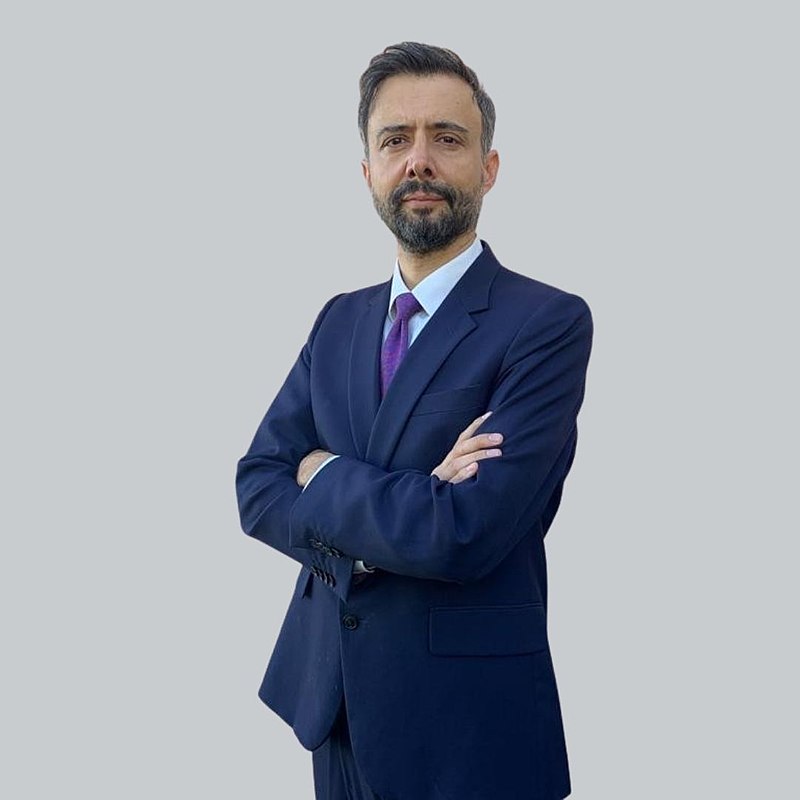
Speaking at the launch, IFAD President Álvaro Lario emphasised a shift in how water is viewed in development policy—moving beyond its traditional role as a basic input to recognising it as a driver of economic transformation.
"At the first rural mile of food systems—where IFAD invests—water is not just an input. It is a source of jobs, growth, and resilience," Lario said.
This "first mile" focus—targeting rural producers, smallholder farmers, and underserved communities—positions IFAD uniquely within the global development landscape. Unlike larger infrastructure-focused institutions, IFAD specialises in last-mile delivery of investments that directly impact livelihoods.
A Coalition to Transform Global Water Systems
Water Forward brings together an unprecedented coalition of:
-
Governments
-
Multilateral development banks
-
Private sector investors
-
Philanthropic organisations
The goal is to align policy reform, financing, and implementation to build water systems that are:
-
Scalable and investable
-
Climate-resilient
-
Capable of supporting long-term economic growth
Global experts warn that water insecurity is becoming a critical bottleneck for development. Without reliable water systems:
-
Agricultural productivity declines
-
Investment in rural economies stalls
-
Climate shocks have amplified impacts
IFAD's Investment Model: High Impact at the Grassroots
IFAD currently mobilises around $350 million annually for sustainable water solutions, focusing on underfunded rural regions where returns on investment are often highest but capital is scarce.
Its approach centres on integrated water management, including:
-
Small-scale irrigation systems
-
Watershed management
-
Rainwater harvesting
-
Climate-resilient rural infrastructure
These investments are designed not only to improve water access but to unlock economic activity, generate employment, and stabilise food production systems.
Crucially, IFAD's model demonstrates strong leverage:
-
Every $1 invested generates approximately $6 in on-ground impact
-
Projects typically increase rural incomes and productivity by over 30%
Real-World Impact: India and Ethiopia
Evidence from IFAD-supported projects highlights the transformative potential of water investments.
In India:
-
Over 96,000 households, particularly from vulnerable tribal communities, have benefited from improved drinking water and irrigation access
-
Outcomes include higher agricultural productivity, improved food security, and the emergence of new income-generating activities
-
Communities have also become more resilient to climate shocks such as droughts and erratic rainfall
In Ethiopia:
-
Farmer-managed irrigation systems in drought-prone regions have led to:
-
Increased crop yields
-
Higher household incomes
-
Improved nutrition outcomes
-
Job creation both on and off farms
-
These examples illustrate how targeted water investments can deliver multi-dimensional benefits—from poverty reduction to climate adaptation.
Linking Water to Broader Rural Transformation
The Water Forward partnership builds on IFAD's collaboration with the World Bank through the AgriConnect initiative, which aims to reach at least 70 million small-scale farmers by 2030.
AgriConnect focuses on integrating:
-
Market access
-
Financial services
-
Value chains
Together, these initiatives signal a broader strategy to transform rural economies by addressing systemic constraints—of which water is one of the most critical.
Water Security: The Next Global Development Frontier
With climate change intensifying droughts, floods, and water variability, global demand for resilient water systems is accelerating.
According to development analysts:
-
Water insecurity could affect billions within the next decade
-
Agriculture, which consumes around 70% of global freshwater, is particularly vulnerable
-
Rural communities are disproportionately exposed to water-related risks
By combining financing, policy alignment, and on-the-ground implementation, Water Forward aims to close the gap between global ambition and local delivery.
A Decisive Decade Ahead
As the 2030 deadline approaches, the success of initiatives like Water Forward will be critical in determining whether global development goals—particularly those related to poverty, food security, and climate resilience—can be achieved.
For IFAD, the partnership reinforces its role as a catalyst for inclusive, high-impact investment at the grassroots level.
"Water security underpins everything—jobs, productivity, and growth. When water systems fail, economies struggle. When they work, they unlock opportunity," Lario said.
With billions at stake and a billion lives targeted, the initiative represents one of the most ambitious efforts yet to turn water from a constraint into a cornerstone of sustainable development.


 Google News