

Philippines Trains Workers for a Greener Construction Future
The newly trained master trainers will now help introduce a common set of green construction competencies into training programmes across the country.
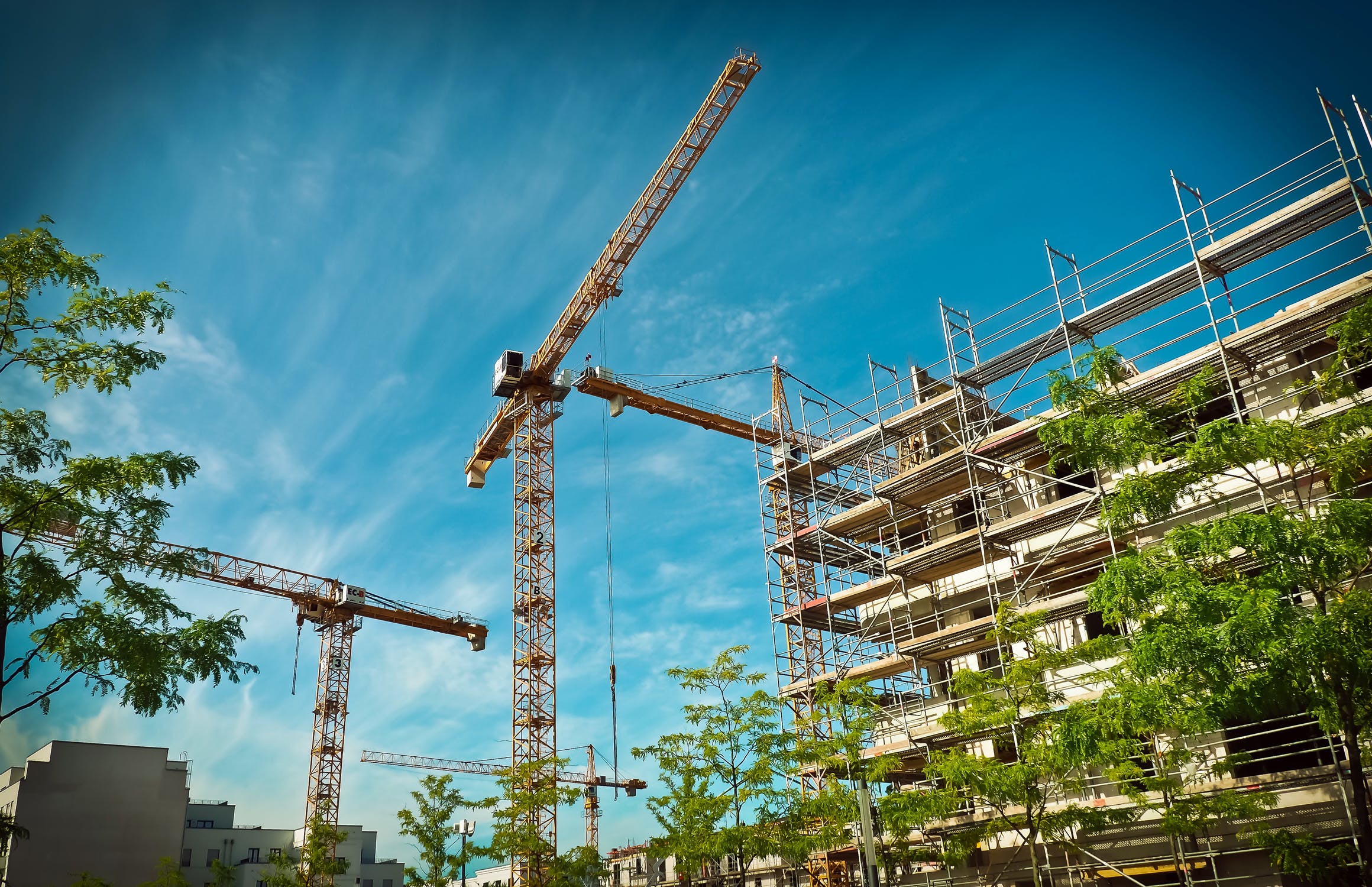
- Country:
- Philippines
The Philippines is taking steps to prepare its construction workforce for a greener future as climate change and increasing natural disasters place greater pressure on communities, infrastructure and the economy. Construction remains one of the country's largest sources of employment, accounting for nearly 10 percent of the national workforce. The sector has also been identified as a key area for creating green jobs under the Philippines' National Green Jobs Human Resource Development Plan.
Despite policies such as the Philippine Green Building Code, the adoption of green construction practices has been slower than expected. Research conducted by the International Labour Organization (ILO) found that practical green skills are often missing from technical training programmes, leaving workers without the competencies needed to support a more sustainable construction industry.
Industry and Labour Groups Join Forces on Training
To help close this gap, experts from construction companies, labour unions, environmental organisations and academic institutions recently completed a master training programme on Introduction to Green Construction Skills (IGCS). The training, held from 2 to 5 June 2026, forms part of the ILO-Korea Partnership Programme on Advancing Digital and Green Skills for Youth in ASEAN. The initiative focuses on helping young people gain access to better-paying and more secure jobs within emerging green and digital sectors.
Participants agreed that green skills should not be limited to specialists or managers. Instead, sustainability practices such as efficient use of materials, energy conservation and environmentally responsible construction methods should become standard competencies for all workers, including labourers, equipment operators and supervisors.
The newly trained master trainers will now help introduce a common set of green construction competencies into training programmes across the country. Pilot programmes are scheduled to begin in July, followed by a wider rollout in multiple regions from August.
Green Skills Extend Beyond Construction Sites
Developed with support from Korea Polytechnic University, the IGCS programme introduces workers to key concepts in sustainable construction, including carbon reduction, renewable energy, resource efficiency, sustainable materials and green building design.
The course encourages builders to design and construct structures that work with local environmental conditions, maximizing natural sunlight and ventilation while reducing energy consumption and environmental impact.
Industry leaders say the skills taught through the programme have value beyond construction. Knowledge of sustainability principles is becoming increasingly important across sectors such as engineering, energy, transportation and business operations.
Technical Education and Skills Development Authority (TESDA) officials noted that one of the biggest challenges will be adapting global sustainability concepts to the realities of the Philippine construction industry. Stakeholders believe this effort is essential as the country works to build a workforce capable of supporting climate resilience and sustainable economic growth.
The programme is being implemented with support from TESDA, the Philippine Constructors Association, the Department of Labor and Employment, and the Construction Manpower Development Foundation as part of broader efforts to future-proof the country's construction workforce.


 Google News