

One in every three victims of human trafficking is a child, UN Warns
The report states that trafficking risks follow children throughout their migration journeys, from departure and transit to arrival and settlement.
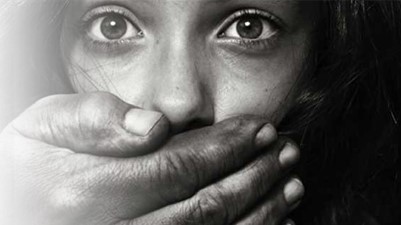
Children account for one in every three victims of human trafficking worldwide, according to a new report presented to the United Nations Human Rights Council by UN Special Rapporteur on trafficking in persons Siobhán Mullally. The report highlights the growing dangers faced by children who are migrants, refugees, forcibly displaced or stateless, warning that millions remain exposed to trafficking networks because of gaps in protection systems, restrictive migration policies and discrimination.
Mullally described child trafficking as both a serious crime and a grave violation of human rights, stressing that despite its widespread nature, many children continue to be overlooked by legal systems and anti-trafficking efforts.
Migration Risks Leave Children Exposed
The report states that trafficking risks follow children throughout their migration journeys, from departure and transit to arrival and settlement. Unaccompanied and separated children face some of the greatest dangers, particularly in places where child protection services are weak or under-resourced. Many children are forced to travel through unsafe routes after being denied access to legal migration options or international protection mechanisms.
Mullally said restrictions on asylum procedures, limited humanitarian visa programmes, reduced resettlement opportunities and barriers to family reunification leave children with few safe alternatives. As a result, many become vulnerable to exploitation by organised criminal groups and informal trafficking networks that prey on children travelling alone or in unstable circumstances.
The report also notes that discrimination often affects how child victims are identified and treated. Gender and racial biases can prevent authorities from recognising children as trafficking victims, limiting their access to support and protection services. Boys are frequently overlooked in trafficking assessments, while girls face increased risks of sexual exploitation, forced marriage and other forms of abuse.
Statelessness Increases Vulnerability
The report identifies statelessness as another major factor contributing to child trafficking. Around 4.4 million people worldwide are estimated to be stateless, with children making up approximately 44 per cent of that population. Without nationality or legal identity documents, many children struggle to access education, healthcare and social protection services.
A lack of birth registration and discriminatory nationality laws can leave children invisible to public systems, increasing their vulnerability to exploitation and abuse. According to Mullally, these barriers place many children in situations where traffickers can operate with little risk of detection or intervention.
Call for Urgent Action to Protect Children
The Special Rapporteur said governments must place the best interests of the child at the centre of all policies and decisions affecting children. She expressed concern that children affected by migration and displacement are increasingly excluded from protections that should apply to everyone, regardless of their legal status.
The report also warns that recent cuts to humanitarian funding are weakening child protection programmes in many regions. Reduced support is contributing to rising risks of child labour, sexual exploitation and trafficking, particularly among already vulnerable communities. Mullally urged governments to expand safe migration pathways, guarantee universal birth registration, end the immigration detention of children and ensure equal access to justice and protection services.
She stressed that child trafficking is not unavoidable but is often the result of policy decisions that leave children exposed to harm. Stronger legal protections, inclusive social policies and sustained investment in child welfare systems, she said, are essential to preventing exploitation and protecting children's rights worldwide.
ALSO READ
-
Philippines Builds National Roadmap to End Child Labour, Trafficking and Slavery
-
Century After Slavery Convention, Millions Still Wait for Freedom and Justice
-
Netherlands Pledges Over €309 Million to Strengthen Justice and Prevent Conflict
-
Nicaragua Used Disappearances to Crush Dissent as Eight Died in Custody, UN Reports
-
Russia’s Reach Beyond Borders Leaves Exiled Critics Living in Fear, UN Expert Warns


 Google News