

Rising Fuel Prices and Debt Costs Put Millions at Risk as Poorer Nations Run Out of Room
The report puts US 10-year Treasury yields at 5.3 percent, their highest level since 2002, and yields on comparable bonds for the median weak-credit country at around 9 percent.
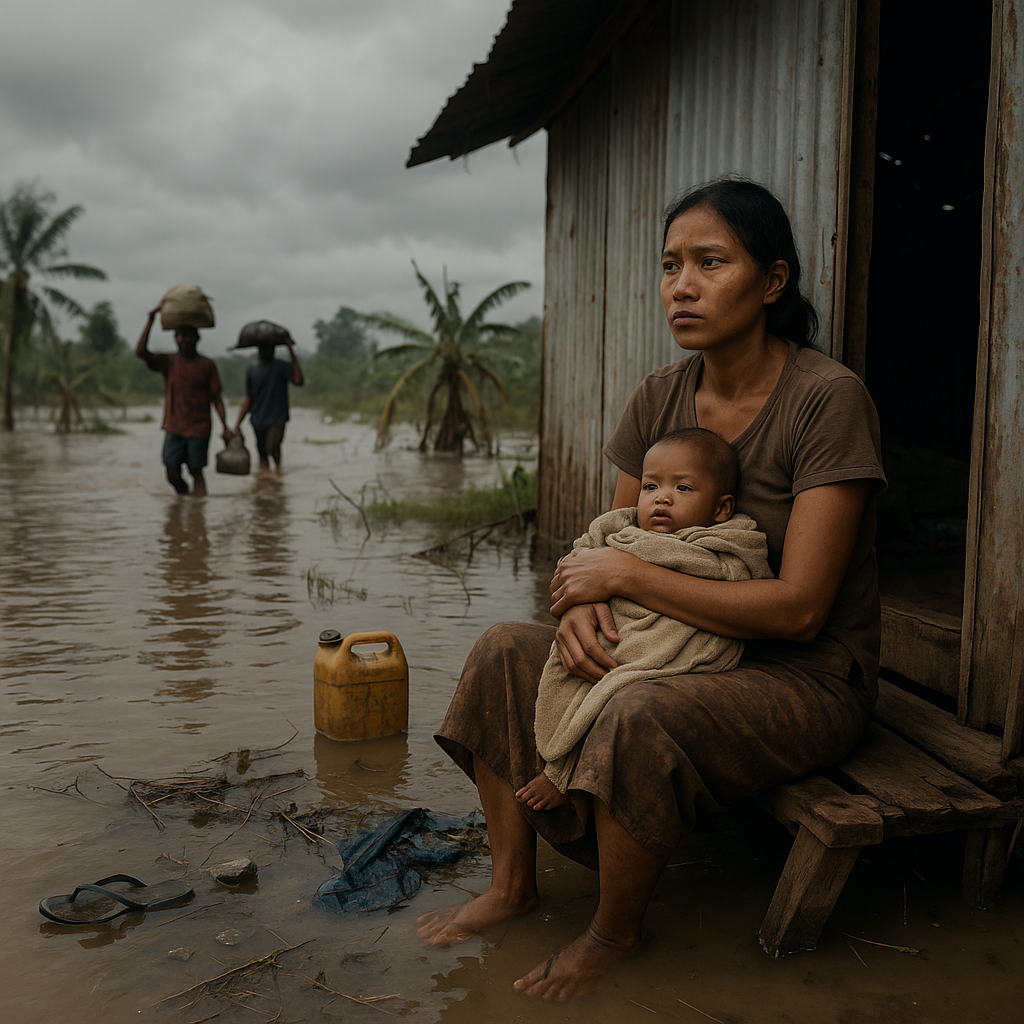
Millions of people could be pushed into poverty as rising energy prices, mounting debt payments and the threat of a record-breaking El Niño stretch developing countries' finances, the United Nations Development Programme (UNDP) has warned. Governments have helped families absorb higher food and fuel costs through subsidies and other relief measures, but the expense of keeping that protection in place is becoming increasingly difficult to bear, leaving households exposed to price increases they can scarcely afford.
UNDP's report, No Time to Recover: Compounding Crises, Depleted Fiscal Buffers and What It Means for Developing Economies, examines how the Middle East conflict is adding pressure to economies with little financial room left to respond. Its central concern reaches beyond rising prices: the support that has kept many families afloat is also hiding the scale of their vulnerability, with governments struggling to fund further relief without taking money away from essential services.
Debt Payments Leave Less Money for Everyday Needs
The median developing country now spends about 9.5 percent of government revenue on interest payments, according to the report, marking the highest share in 25 years and more than three times the proportion recorded in high-income countries. Money committed to servicing debt reduces what governments can spend on public health, education and social safety nets, making the strain on national budgets a direct concern for people who depend on those services.
The report puts US 10-year Treasury yields at 5.3 percent, their highest level since 2002, and yields on comparable bonds for the median weak-credit country at around 9 percent. Higher US yields feed into borrowing costs across global financial markets, increasing pressure on countries already carrying heavy debts and making fresh financing more expensive just as demand for household support grows.
Fuel Costs and El Niño Threaten Family Budgets
Oil prices have climbed above US$100 a barrel for the second time since the Middle East conflict began, the release says, raising fuel bills and adding to food costs. Governments trying to cushion those increases face a growing bill of their own: at current energy prices, global fossil fuel subsidies could exceed US$1 trillion this year, a burden that many low- and middle-income countries are finding increasingly difficult to sustain. The report also warns that the current El Niño could become the most powerful on record, threatening harvests and food systems across Africa, Asia and Latin America.
Subsidies, price caps, tax rebates and measures to manage demand have provided partial protection from these pressures, with UNDP estimating that around 130 million additional people would have fallen into poverty worldwide this year if energy and food price increases had been passed through in full. That figure describes the potential impact without cushioning measures, with especially severe consequences in sub-Saharan Africa and South and East Asia, rather than a confirmed increase in the number of people living in poverty.
Governments Face Choices Their Citizens Cannot Afford
UNDP Administrator Alexander De Croo warned that surging oil and food prices leave millions of families with no safety margin, describing a "perfect storm" that could push tens or even hundreds of millions back into poverty. For developing-country governments, the choice is becoming increasingly painful: reduce support for their poorest citizens or put their wider development plans at risk by continuing relief they cannot afford.
The report calls for broad, untargeted subsidies to be phased out in favour of temporary assistance directed at vulnerable households, backed by rapid access to financing for countries unable to fund that protection alone. Ahead of the IMF and World Bank annual meetings, which the release places in Bangkok that week, De Croo urged multilateral lenders, donors and other partners to expand access to affordable finance so governments can sustain essential household support, calling for solidarity and global action.
ALSO READ
-
Poverty Count Reaches 1.2 Billion as Children Bear the Weight of Overlapping Hardship
-
UNDP Offers $100,000 to Ocean Innovators Tackling Pollution and Coastal Challenges
-
Myanmar’s Deepening Poverty Leaves Millions With Little Strength for Another Crisis
-
Middle East’s Economic Shock Deepens as Hormuz Closure Hits Gulf and AI Opens Doors
-
Bangladesh’s Growth Slows as Rising Poverty and Banking Risks Put Reforms in Focus


 Google News