

Public Institutions Transform Women's Lives: UNDP Awards 21 Gender Equality Seals
UNDP Administrator Alexander DeCroo described gender equality as an important measure of institutional excellence, emphasising that strong leadership, reliable information and accountability are essential for delivering better public services.
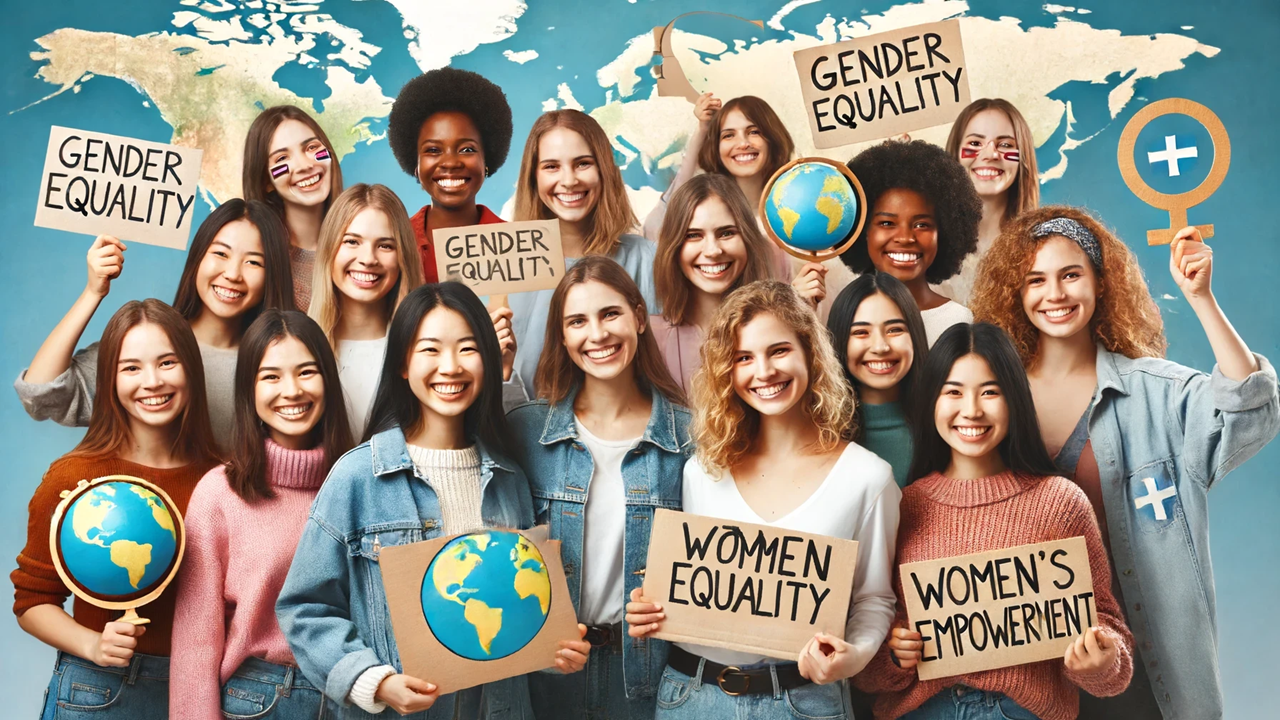
The United Nations Development Programme (UNDP) has recognised 21 public institutions from 13 countries for making meaningful changes that improve women's rights, expand economic opportunities and create more inclusive public services. The institutions received recognition through the 2026 Gender Equality Seal for Public Institutions, celebrating reforms that address workplace discrimination, strengthen women's leadership and make government services more responsive to people's needs. The awards cover institutions certified between June 2025 and October 2026, representing different sectors across Africa, Asia and the Pacific, Europe and Central Asia, and Latin America and the Caribbean.
The achievements were announced in UNDP's press release titled "UNDP Honours 21 Public Institutions from 13 countries with Gender Equality Seal for transformative reforms," published on 11 November 2026. The announcement is an official development report rather than an academic research paper published in a scientific journal, highlighting practical institutional reforms and their measurable results. It explains how government departments, public agencies and local authorities are changing the way they operate to improve women's access to justice, employment, financial services and decision-making opportunities.
The Gender Equality Seal has grown into a global initiative encouraging government institutions to move beyond policy promises and introduce changes that improve everyday lives. As of October 2026, more than 133 institutions across 38 countries and over 22 sectors were implementing the programme, reaching more than 354,400 public servants, including 48% women. UNDP Administrator Alexander DeCroo described gender equality as an important measure of institutional excellence, emphasising that strong leadership, reliable information and accountability are essential for delivering better public services.
Gold Seal Winners Lead Major Reforms for Women's Rights
Seven institutions received the Gold Seal for reforms that have produced meaningful improvements in gender equality and public service delivery. Chile's Undersecretariat of Foreign Affairs strengthened its Consulado Contigo programme to support women experiencing gender-based violence abroad, ensuring assistance for every reported case. The country's Ministry of Justice and Human Rights improved access to justice for 53,440 women through the National Registry of Alimony Debtors and achieved an entire year without births in prison through reforms designed around women's needs.
Chile's Agricultural and Livestock Service helped rural women formalise businesses, increase their earnings and become more involved in agricultural value chains. In the Dominican Republic, the Office of the Ombudsman strengthened girls' leadership and women's economic empowerment, with girls occupying 85% of student leadership positions and more women receiving access to financial information and support. Thailand's Bangkok Metropolitan Administration introduced gender equality measures into more than 200 municipal projects, improving public safety, inclusive healthcare, pay equality and women's representation in executive leadership.
Brazil's Federal Court of Accounts achieved the highest score ever recorded under the Gender Equality Seal, using gender-responsive audits to encourage stronger accountability and women's safety across public institutions. Mexico's Executive Secretariat of the National Anti-Corruption System supported gender-responsive anti-corruption policies in nine states, increasing gender-sensitive oversight from 39% to 55%. The agency also incorporated gender analysis into 10 national indicators, helping authorities better understand how corruption prevention and public accountability can address inequalities affecting women.
Silver Seal Recipients Expand Employment and Leadership Opportunities
Eight public institutions received the Silver Seal for reforms supporting women's economic participation, safer workplaces and greater representation in public administration. Colombia's Ministry of Labour strengthened workplace equality through its Equipares programme, certifying companies and rural organisations, conducting 4,000 labour inspections and resolving 85% of complaints submitted by women workers. The country's Pension and Parafiscal Management Unit supported formal employment for more than 170,000 women and contributed to pension reforms that expanded women's access to retirement benefits.
Costa Rica's National Learning Institute introduced 400 scholarships to help more women pursue science, technology, engineering and mathematics education, alongside initiatives supporting women farmers and entrepreneurs. Honduras's Revenue Administration Service created child-friendly taxpayer service areas used by more than 2,300 children and caregivers, helping reduce practical difficulties faced by women managing work and family responsibilities. Bosnia and Herzegovina's Ministry of Security strengthened women's participation in policing and security institutions and improved nationwide support services for survivors of human trafficking.
Chile's Senate Corporation became the first parliamentary institution to receive the Gender Equality Seal, expanding women's participation in legislative consultations and encouraging balanced civic involvement among young people. Uzbekistan's State Customs Committee reduced barriers for women-led businesses through simpler and more automated customs procedures, supporting women's involvement in international trade. The Dominican Republic's Superintendency of Electricity improved women's access to technical and energy-related careers and achieved 48.2% female representation in decision-making positions.
These achievements reflect the importance of addressing the barriers women encounter in different parts of public life, from accessing employment and financial security to participating in government decisions. The reforms recognise that women often face challenges connected to unpaid care responsibilities, unequal career opportunities and limited access to specialised training. Improving workplace practices, public services and professional development can create conditions that allow more women to participate in economic and institutional leadership.
Bronze Seal Winners Strengthen Women's Economic Independence
Six institutions received Bronze Seal recognition for introducing reforms that support women's safety, financial inclusion and economic participation. Colombia's Superintendency of Transport strengthened gender-responsive transport oversight, supporting national measures to prevent sexual violence on public transport and expand breastfeeding-friendly facilities. The country's Ministry of Commerce, Industry and Tourism reached more than 5,000 women across 22 departments and helped 30 women-led businesses gain access to international export markets.
Colombia's Ministry of Agriculture and Rural Development supported 2,290 women-led initiatives designed to strengthen rural economic opportunities and improve women's participation in agriculture. The ministry also helped develop financial skills among more than 9,000 women and young people, supporting better business decisions and greater economic independence. Panama's National Bank introduced the country's first financial product designed for rural women producers, alongside programmes encouraging women's entrepreneurship, leadership and access to financing.
El Salvador's Ministry of Tourism supported women-owned businesses in increasing sales and profits and trained more than 1,300 tourism agents to prevent gender-based violence and human trafficking. Rwanda Revenue Authority introduced gender-responsive taxation and procurement initiatives to expand opportunities for women-owned businesses and achieved 44.4% female representation in senior leadership positions. These reforms demonstrate how government institutions can support women through practical improvements in financial services, economic policies, workplace representation and public safety.
Global Gender Equality Initiative Creates Lasting Institutional Change
The Gender Equality Seal is a voluntary certification programme that encourages public institutions to improve their internal policies, decision-making processes and public services through measurable reforms. Among the 50 institutions awarded to date, all have established gender equality objectives and validated zero-tolerance policies and protocols addressing sexual harassment and gender-based violence in the workplace. The programme reports that 84% have validated systems for collecting sex-disaggregated data, and 65% have demonstrated important gender equality results in at least two major institutional policies or programmes.
UNDP Director of Gender Equality Raquel Lagunas emphasised that people experience equality through the government institutions and public services they encounter in everyday life. She explained that the Gender Equality Seal helps institutions change from within, turning commitments into practical improvements that affect people's opportunities, safety and well-being. The programme promotes cooperation and knowledge-sharing among participating institutions, allowing successful reforms to inform approaches in other countries and public sectors.
The recognition of 21 institutions demonstrates that progress towards gender equality can take many forms, including safer workplaces, stronger legal protections, better access to finance and greater participation in leadership. Governments can build on these experiences by strengthening accountability, improving access to reliable gender-related information and supporting reforms that respond to the needs of women and girls. Through its expanding international network, UNDP is encouraging public institutions to turn gender equality commitments into lasting changes that benefit women, families and communities around the world.
ALSO READ
-
Why Acting Before El Nino Strikes Could Cut Costs and Protect Vulnerable Household Livelihoods
-
Invest Now or Pay More Later: Waiting for El Niño Damage Could Double Protection Costs
-
How Unfair Market Fees and Complex Tax Rules Are Hurting Women Entrepreneurs in Solomon Islands
-
Global Healthcare Power Crisis: Can Solar Energy Bridge the Gap as International Funding Shrinks?
-
Could the World's Overlooked Air Pollutant Trigger a New Crisis in Food Security and Public Health?


 Google News