

Thousands protest as North Macedonia readies to vote on EU deal with Bulgaria
The nationalist opposition VMRO-DPMNE, which has led daily protests since the beginning of July over the deal they said endangers the Macedonian language and identity, called for mass protests under the slogan "Macedonia is not for sale". European Commission President Ursula von der Leyen, addressing parliament, urged lawmakers to approve the revised deal with Bulgaria commissioned last month by France, which held the EU presidency up until July.
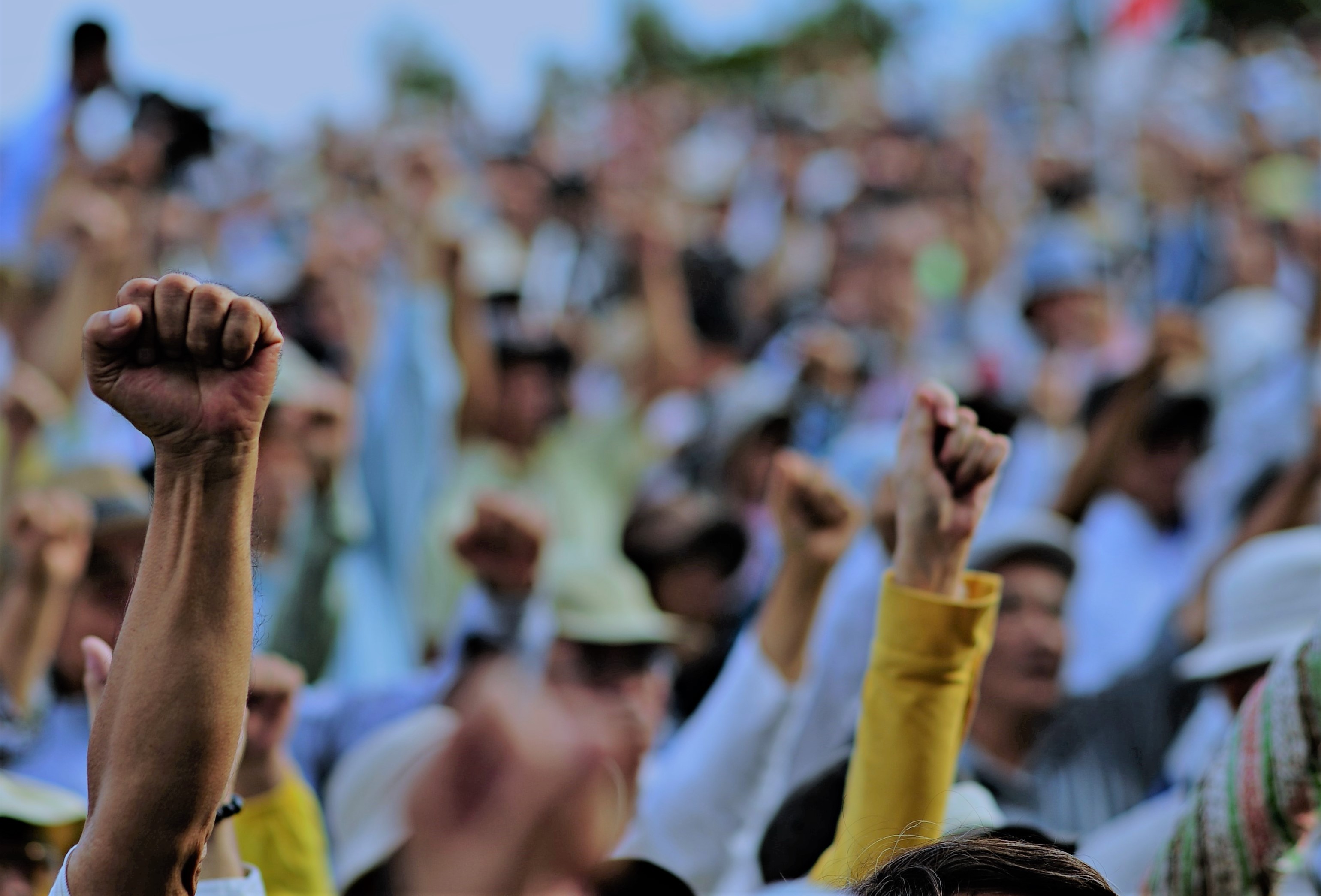
Thousands of people protested in North Macedonia on Thursday as parliament prepared to vote on a French compromise deal for settling the country's disputes with Bulgaria, which would enable its long-due European Union membership talks to start.
Police sealed off the parliament in the capital Skopje to prevent protesters, led by opposition parties, from storming into the building to stop the vote. Demonstrators yelled, whistled, and threw ice cubes and eggs at the police. The nationalist opposition VMRO-DPMNE, which has led daily protests since the beginning of July over the deal they said endangers the Macedonian language and identity, called for mass protests under the slogan "Macedonia is not for sale".
European Commission President Ursula von der Leyen, addressing parliament, urged lawmakers to approve the revised deal with Bulgaria commissioned last month by France, which held the EU presidency up until July. The new deal proposes that North Macedonia's constitution should be amended to recognize a Bulgarian minority, while the remaining issues would be discussed between Skopje and Sofia. The proposal does not require Bulgaria to recognize the Macedonian language.
"Should you decide to endorse the revised French proposal, a political intergovernmental conference will be held within the next few days," Von der Leyen said. "We - the Commission – will then start, immediately, the process of screening the acquis. This is the first step in the negotiation process." While she was speaking, a deputy approached her and served her a pamphlet with a large "NO" written on it.
North Macedonia has been a candidate for EU membership for 17 years but its approval had been blocked first by Greece and now by Bulgaria, both members of the bloc. A 2017 agreement to change the country's name from Macedonia to North Macedonia ended the dispute with Greece and seemed to open the door for EU membership talks. However, Bulgaria lodged a veto in 2020 over history and language issues.
Addressing the language and identity concerns, Von der Leyen said: "There can be no doubt that the Macedonian language is your language. That's why the revised proposal refers to the Macedonian language, without qualification by the EU. The proposal also respects your national identity." The Bulgarian parliament lifted its veto last month, which also caused unrest in that country and led to a no-confidence vote that toppled the government.
ALSO READ
-
€40m Boost Opens New Doors for Cultural and Creative Businesses in Belgium
-
Belize Communities Take the Lead in New Push for Jobs, Skills and Stronger Futures
-
Hotter Years, More Cavities? Understanding Link Between Climate and Dental Health
-
Europe’s Rare Earth Wake-Up Call: Turning Years of Research Into Factories That Last
-
Lebanon’s Small Business Owners Build Skills and Market Links With EU and ILO Support


 Google News