

U.S. States Push to End 'Exception Clause' in 13th Amendment: A Move to Abolish Modern-Day Slavery
A growing number of U.S. states are aiming to eliminate the 'exception clause' in the 13th Amendment, which allows involuntary servitude as punishment for crimes. The movement spans across political lines, with advocates pushing for prisoners’ labor rights and states considering new legislation. Ending unpaid prison labor could generate up to $20 billion annually.
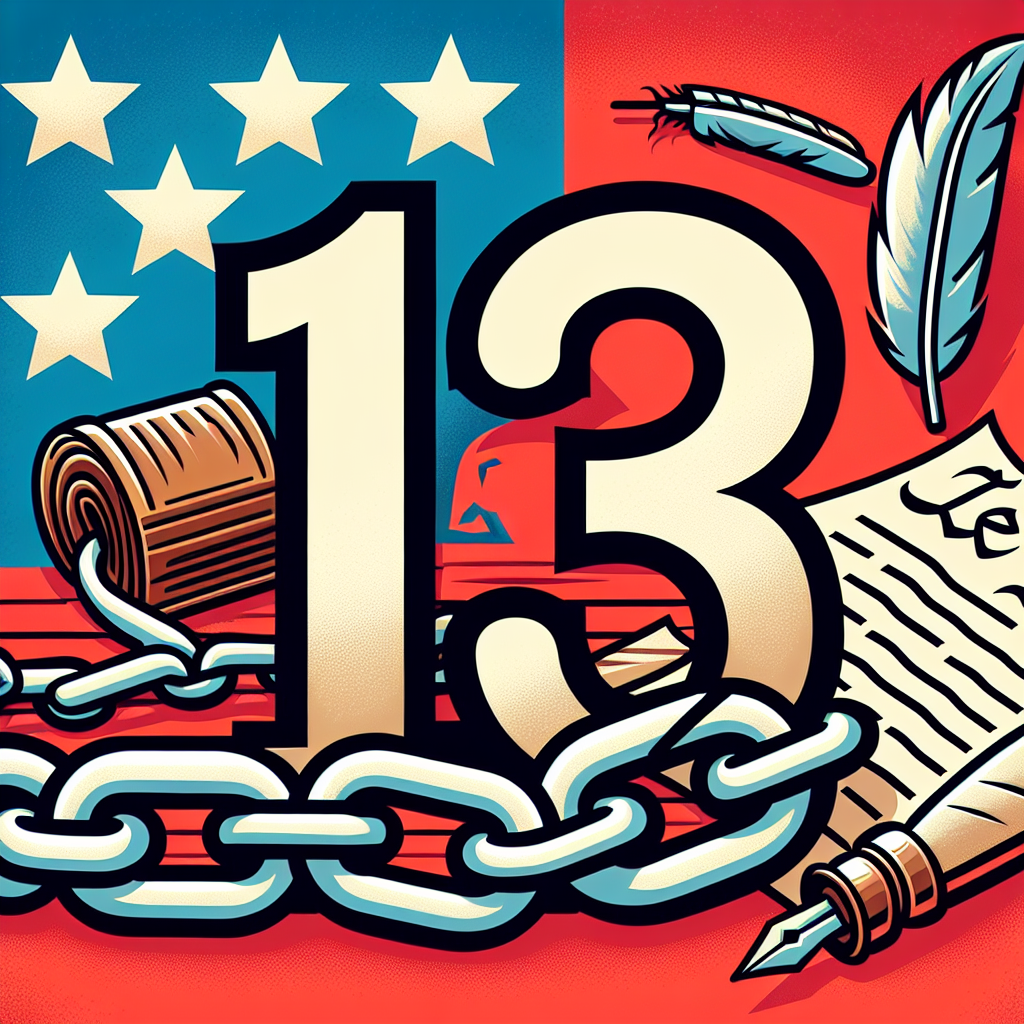
RICHMOND, Virginia, Aug 7 (Thomson Reuters Foundation) - An increasing number of U.S. states are advocating for the closure of what critics refer to as a loophole in the 13th Amendment. This clause, while abolishing slavery, still enables involuntary servitude as punishment for convicts.
The 1865 amendment ended slavery with the exception of criminal punishment. Voters in California and Nevada will vote in November on extending this ban to prisoners, joining several other states in this movement.
Opponents are concerned about potential costs and disruptions if incarcerated individuals earn higher wages or gain new work rights. However, a study indicates ending unpaid labor in U.S. prisons could generate up to $20 billion annually by enabling prisoners to support themselves and their families better post-release.


 Google News