

Redefining Global Unity: The Urgent Need for Modernized Multilateralism
The United Nations' foundational principle of multilateralism is being challenged in a complex, interconnected 21st century. Leaders from small nations, who benefit most from united efforts, stress the need for reform as the old model struggles to remain effective. A call for modernization echoes globally, urging immediate tangible action.
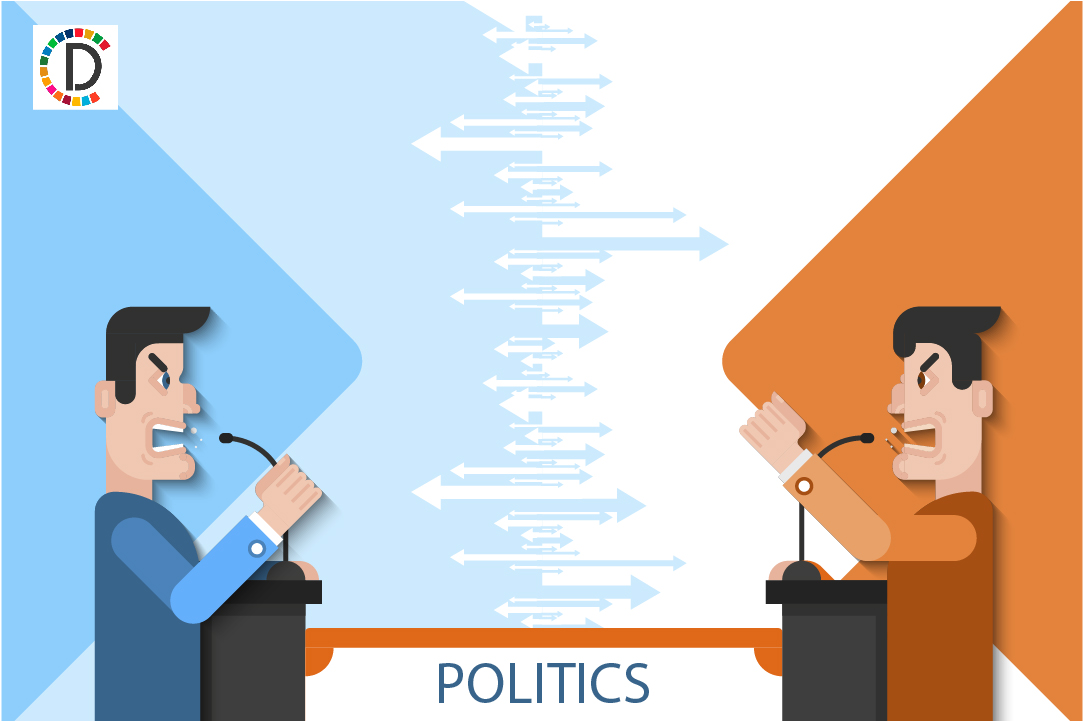
The principle of multilateralism, foundational to the United Nations, faces heightened scrutiny amidst 21st-century complexities. Leaders of smaller nations, who see cooperation as vital, consistently highlight the need for systemic reform as current models falter.
The UN General Assembly discussions revealed widespread agreement that today's interconnected world demands more efficient collaboration, not just idealistic unity. UN head António Guterres acknowledges the difficult road to reform but emphasizes its necessity in preventing further global fragmentation.
As geopolitical and technological changes accelerate, the demand for a reinvigorated, inclusive multilateral approach becomes increasingly urgent. The UN's new “Pact for the Future” aims to transition from theoretical discussions to impactful, collaborative outcomes, stressing that time for effective action is running critically short.
ALSO READ
-
Judges need protection and training to address growing climate cases, UN expert says
-
Right to health must come with remedies for violations and accountability: UN expert
-
States urged to tackle drug crime without abusive counterterrorism measures
-
Reconstruction must restore lives and rights of displaced people, UN expert warns
-
Deaths of older people need closer scrutiny to uncover abuse and neglect, UN expert says


 Google News