

Tensions Escalate as Iran and Israel Exchange Strikes
Iran and Israel engaged in air and missile attacks following a U.S. strike on Iranian nuclear sites. As tensions rise, regional stability is threatened with possible retaliations and economic repercussions, including in global oil markets. Diplomatic calls for peace meet military preparations from involved nations.
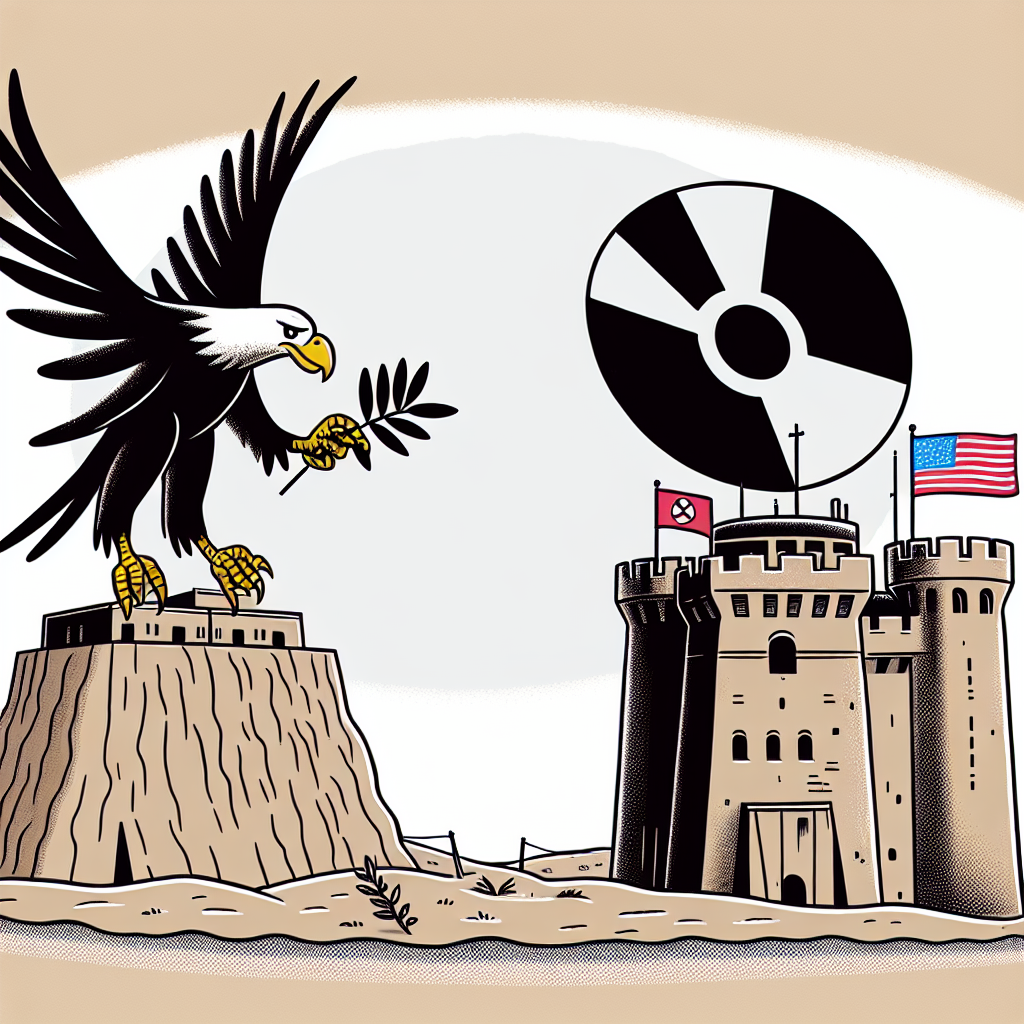
In a dramatic escalation of tensions, Iran and Israel exchanged air and missile strikes following a U.S.-led attack on Iranian nuclear facilities. The confrontation has sparked global concern over potential widespread conflict in the Middle East, with the possibility of severe economic repercussions.
The United States' assault on Iran's Fordow nuclear facility has been reported to cause significant damage, though assessments remain unconfirmed. President Trump stated the strikes inflicted 'monumental damage.' In response, Iran launched missile attacks on Tel Aviv, heightening fears of further military actions.
With increasing hostility, questions about the region's stability arise. Meanwhile, the U.N. and various nations are calling for restraint and a return to dialogue, amid surging oil prices and strategic military mobilizations. Diplomatic efforts are underway but face challenges as tensions persist.
ALSO READ
-
Poverty in the Line of Fire: UN Experts Demand Iran End Border Courier Killings
-
Iran’s Civilians Trapped Between State Repression and Deadly Strikes, UN Warns
-
UN Experts See UK Settlement Curbs as Turning Point, Urge Action Over Occupation
-
Lee Jae Myung's Diplomatic Milestones: Balancing Amidst Global Tensions
-
US Approves Potential Sale of F-35 Jets to Saudi Arabia, Shifting Middle Eastern Power Dynamics


 Google News