

Diplomatic Prowess or Compromise? India's Complex Oil Diplomacy
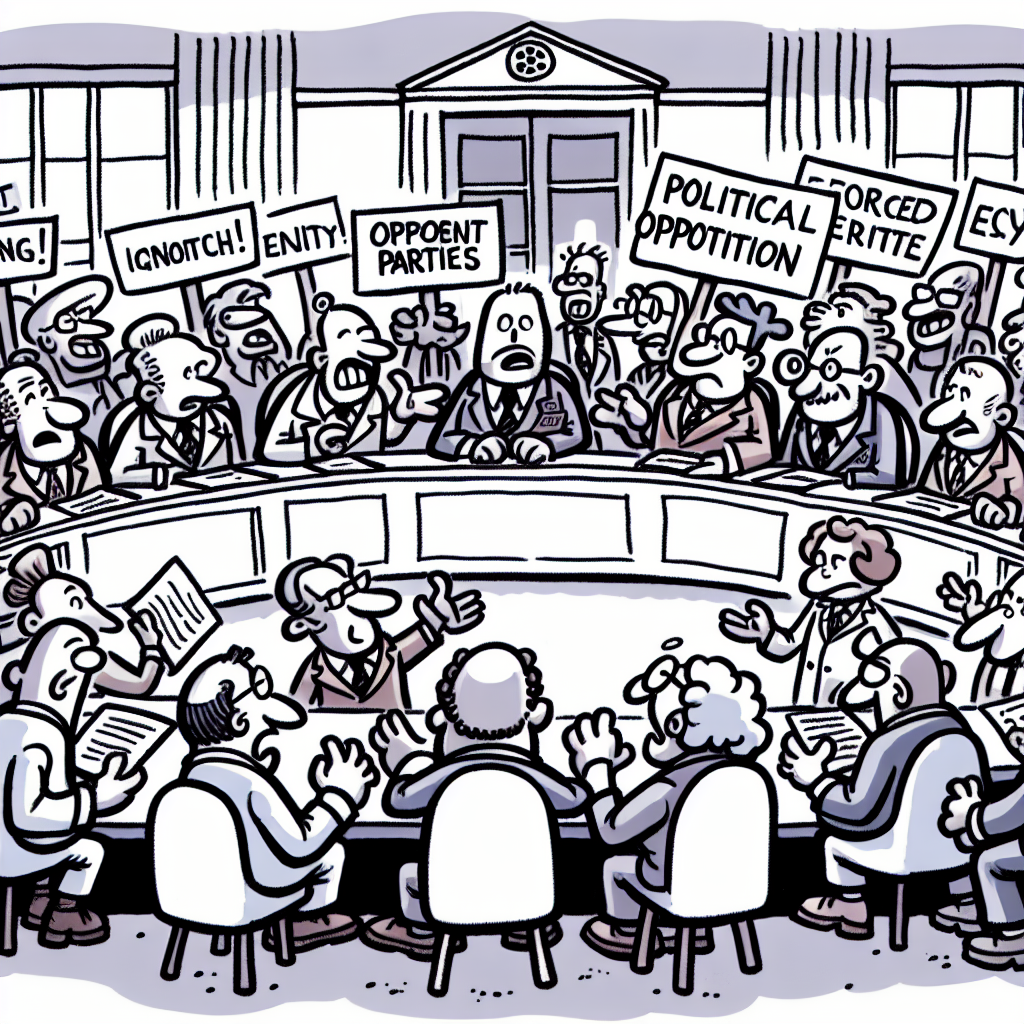
The opposition parties in India have criticized the ruling government over a US decision to temporarily allow Indian refiners to purchase Russian oil, framing it as an erosion of India's foreign policy sovereignty. The government, however, sees it as a victory of strategic oil diplomacy under Prime Minister Narendra Modi.
- Country:
- India
In a heated political showdown, opposition parties in India have accused the ruling government of ceding diplomatic ground after the United States offered a temporary waiver allowing Indian refiners to purchase Russian oil. The ruling BJP lauded it as a triumph of strategic oil diplomacy under the leadership of Prime Minister Narendra Modi.
Critics, including Congress leader Rahul Gandhi, argued that this move reflects an erosion of India's foreign policy sovereignty. Gandhi suggested that the government's actions stem from the exploitation of a compromised individual, aiming his critique directly at Prime Minister Modi. Congress President Mallikarjun Kharge echoed these concerns, suggesting India's diplomatic space is increasingly being compromised.
The government responded by dismissing these allegations, stating India's energy policy is driven by the principles of affordability, availability, and sustainability, dismissing any notion of foreign influence. BJP spokesperson Pradeep Bhandari accused Congress of inciting panic by spreading misinformation about oil shortages, while regional leaders in Kerala and Tamil Nadu expressed concern over India seemingly needing US approval for such decisions.


 Google News