

UPDATE 2-Japan's Abe says will make every effort to reduce tension with Iran
- Country:
- Iran Islamic Rep
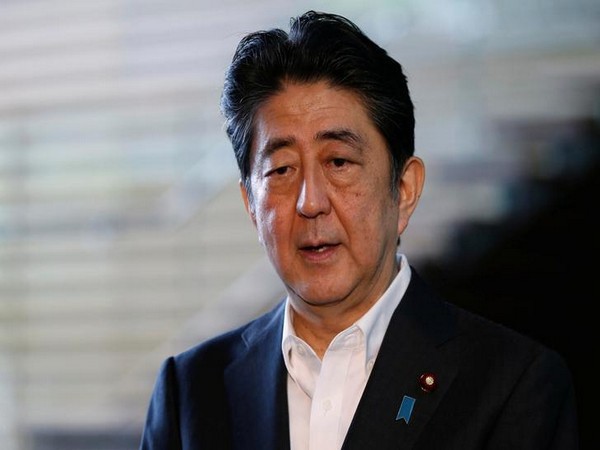
Japan wants to make every effort to reduce tension between the United States and Iran before responding to an expected U.S. request to send its navy to guard strategic waters off Iran, Prime Minister Shinzo Abe said on Monday. Japanese media have said a U.S. proposal to boost surveillance of Middle East oil shipping lanes off Iran and Yemen, where the United States says Iran and its proxies have carried out tanker attacks, could be on the agenda during this week's visit by U.S. national security adviser John Bolton.
Abe said that before making a decision on joining the United States, Japan would like to fulfill what it sees as a unique role it has to play in reducing tension. "We have a long tradition of friendship with Iran and I've met with its president any number of times, as well as other leaders," Abe told a news conference a day after his coalition's victory in an election for parliament's upper house.
"Before we make any decisions on what to do, Japan would like to make every effort to reduce tensions between Iran and the United States." Japan needed to gather information on what the United States is thinking and what it hoped to accomplish, Abe said, adding that the two allies remained in close contact.
Bolton, who heads to South Korea after Japan, met Japanese national security adviser Shotaro Yachi and Foreign Minister Taro Kono and later described his talks with Kono as "useful". "We had a very productive discussion, we talked about a very wide range of issues," Bolton told reporters.
During his news conference, Abe also called for a debate on revising Japan's post-war, pacifist constitution, saying Sunday's election result showed it was what voters wanted. Abe's Liberal Democratic Party-led coalition won a solid majority, but together with like-minded allies, fell short of the two-thirds "super majority" needed to begin amending a constitution that has not been changed since it was adopted after Japan's World War Two defeat.
Abe has long sought to revise the constitution's pacifist Article 9 to further legitimize the military, but public opinion is divided. He is expected to try to win backing from members of the second-largest opposition party, the Democratic Party for the People.
"The judgment of the people was that debate should take place," Abe said. "I want to have a serious debate that goes beyond the boundaries of ruling versus opposition parties." The solid showing of Abe's bloc means he has avoided becoming a lame duck in the final two years of his third three-year term as party leader and is on track to become Japan's longest-serving premier if he stays in his post until November.
ALSO READ
-
Japanese Lawmakers Visit India to See Worker Protection and Skills Projects in Action
-
Poverty in the Line of Fire: UN Experts Demand Iran End Border Courier Killings
-
Japan-Backed ILO Projects Help 23,000 Workers Gain Rights and Fight Child Labour
-
Iran’s Civilians Trapped Between State Repression and Deadly Strikes, UN Warns
-
Lee Jae Myung's Diplomatic Milestones: Balancing Amidst Global Tensions


 Google News