

Science News Roundup: Japan eyes satellite research for disputed isles in East China Sea; Japan supercomputer shows humidity affects aerosol spread of coronavirus and more
COVID-19 increases risks for cancer patients; common cold antibodies no help vs coronavirus The following is a roundup of some of the latest scientific studies on the novel coronavirus and efforts to find treatments and vaccines for COVID-19, the illness caused by the virus.
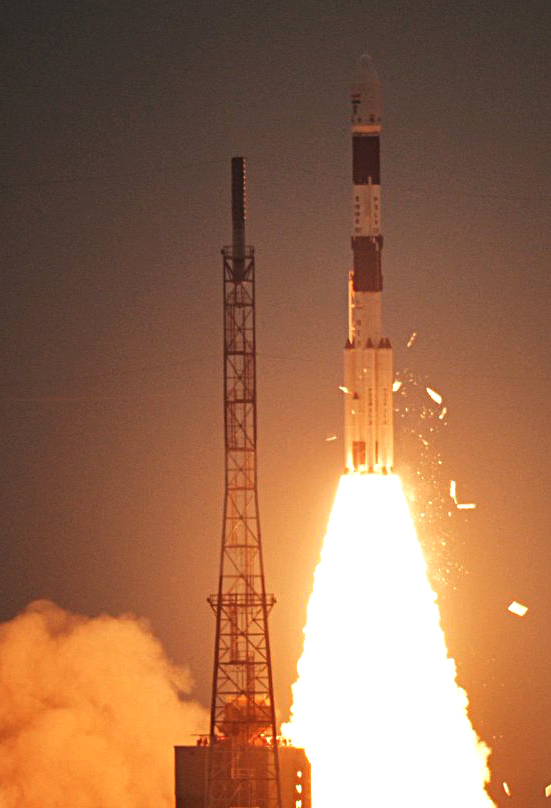
Following is a summary of current science news briefs.
Japan eyes satellite research for disputed isles in East China Sea
Japan is looking into using satellite images to further research on the natural environment of islets in the East China Sea claimed by China, the top government spokesman said, though the plans will not involve anyone actually setting foot there. Japan's ties with China have long been plagued by a territorial row over the uninhabited islands controlled by Tokyo, which are known as the Senkaku in Japan, but called Diaoyu in China.
COVID-19 increases risks for cancer patients; common cold antibodies no help vs coronavirus
The following is a roundup of some of the latest scientific studies on the novel coronavirus and efforts to find treatments and vaccines for COVID-19, the illness caused by the virus.
COVID-19 increases risks for cancer patients Australian intelligence agencies prepare for small satellite deployment
Australian intelligence agencies are planning to experiment with small satellite technology, which typically includes aircraft and marine vessel tracking as well as weather forecasts, as part of a tie-up with San Francisco-based space data and analytics company Spire Global. The Djara satellite, developed for Australia's Office of National Intelligence, is scheduled to be deployed from the International Space Station early next month, Spire said in a statement to Reuters.
Japan supercomputer shows humidity affects aerosol spread of coronavirus
A Japanese supercomputer showed that humidity can have a large effect on the dispersion of virus particles, pointing to heightened coronavirus contagion risks in dry, indoor conditions during the winter months. The finding suggests that the use of humidifiers may help limit infections during times when window ventilation is not possible, according to a study released on Tuesday by research giant Riken and Kobe University.
One American, two Russians blast off to International Space Station
A Russian Soyuz spacecraft carrying a U.S. astronaut and two Russian cosmonauts successfully reached the International Space Station after blasting off from the Baikonur cosmodrome in Kazakhstan on Wednesday, live footage broadcast by Russia's space agency Roscosmos showed. The Soyuz MS-17 spacecraft carrying NASA astronaut Kate Rubins, a microbiologist who in 2016 became the first person to sequence DNA in space, and Russian cosmonauts Sergey Ryzhikov and Sergey Kud-Sverchkov reached the space station roughly three hours after liftoff, bringing the orbital laboratory's crew size to five.


 Google News