

Odisha forms state-level task force to reduce man-animal conflict
The task force can induct any other individual as its member or consult any individual /institution for preparation of master plan, the minister said, adding that Chief Minister Naveen Patnaik has always stressed upon endeavours for reduction of man-animal conflict in the state. "It is, therefore, essential to prioritise the activities and streamline different interventions to reduce man-animal conflict and have a master plan for 3 years so that funds under different schemes are spent as per this master plan," the minister said.
- Country:
- India
In its bid to reduce the man-animal conflict, the Odisha government on Tuesday set up a state-level task force to prepare a master plan for the next three years, official sources said. The state level task force (SLTF) is formed under the chairmanship of Principal Chief Conservator of Forests (Wildlife) and Chief Wildlife Warden, will submit the master plan report to the government within six weeks, said Forest and Environment minister B K Arukha.
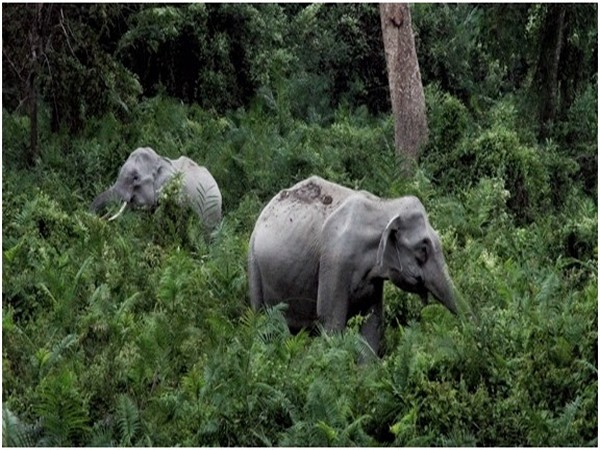
Official sources said that man-elephant conflict is mostly seen in Jajpur, Dhenkanal and Khurda forest divisions and the reasons behind this phenomenon are shrinking of forest cover, increasing activities near forests and human habitation close to elephant habitats Representatives of South Eastern Railways, East Coast Railways, CEOs of CESU, WESCO, NESCO & SOUTHCO, Chief Engineer (Roads), Works Department, CGM(T)&RO, NHAI, Odisha, RCCF, Angul, Rourkela, Bhubaneswar, Save Elephant Foundation Trust, Prof Dr Indramani Nath, HOD, Department of Surgery & Radiology, Odisha Veterinary College, OUAT, Bhubaneswar, will work as the members of the task Force, the minister said. The task force can induct any other individual as its member or consult any individual /institution for preparation of master plan, the minister said, adding that Chief Minister Naveen Patnaik has always stressed upon endeavours for reduction of man-animal conflict in the state.
"It is, therefore, essential to prioritise the activities and streamline different interventions to reduce man-animal conflict and have a master plan for 3 years so that funds under different schemes are spent as per this master plan," the minister said. In addition to department schemes funds under site specific wildlife plans for forest diversion cases, CAMPA, MGNREGS, DMF can be effectively utilised for habitat development, digging of trenches and other protective measures including IEC campaign, he said.
DFOs should have SOPs with railways, NH, state highways, irrigation officials, electricity distribution companies with an institutional arrangement of regular monitoring and review at the circle, district and division level, he said. Chief Wildlife Warden Dr H Upadhaya said around 70 jumbos die due to different reasons in the state every year while nearly 100 people lost their lives in jumbo attacks.
Last year an elephant in Dhenkanal district killed 12 people. The animal has been captured and kept in a mini-zoo type place in Kapilas, he said.


 Google News