

Science News Roundup: Sponge-like Canadian fossils may be earliest sign of animal life; Russia's new Nauka space module docks with ISS
A live broadcast from Russia's space agency, Roscosmos, showed the module, a multipurpose laboratory named after the Russian word for 'science', docking with the ISS at 1329 GMT, a few minutes later than scheduled. Sponge-like Canadian fossils may be earliest sign of animal life Fossils found in rugged mountainous terrain in Canada's Northwest Territories may give a glimpse at the humble dawn of animal life on Earth - sea sponges that inhabited primordial reefs built by bacteria roughly 890 million years ago.
Following is a summary of current science news briefs.
"There is contact!" - Russia's new Nauka space module docks with ISS
Russia upgraded its capabilities on the International Space Station on Thursday after its new Nauka module, set to serve as a research lab, storage unit and airlock, successfully docked with it after a nervy journey from Earth. A live broadcast from Russia's space agency, Roscosmos, showed the module, a multipurpose laboratory named after the Russian word for 'science', docking with the ISS at 1329 GMT, a few minutes later than scheduled.
Sponge-like Canadian fossils may be earliest sign of animal life
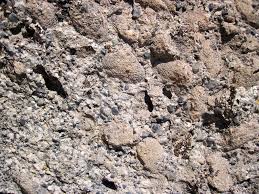
Fossils found in rugged mountainous terrain in Canada's Northwest Territories may give a glimpse at the humble dawn of animal life on Earth - sea sponges that inhabited primordial reefs built by bacteria roughly 890 million years ago. A Canadian researcher said on Wednesday the fossils, dating to a time called the Neoproterozoic Period, appear to show distinctive microstructures from the body of a sea sponge built similarly to a species living today called the Mediterranean bath sponge, or Spongia officinalis.


 Google News