



NASA's Europa Clipper mission to investigate Jupiter’s icy moon: All you need to know
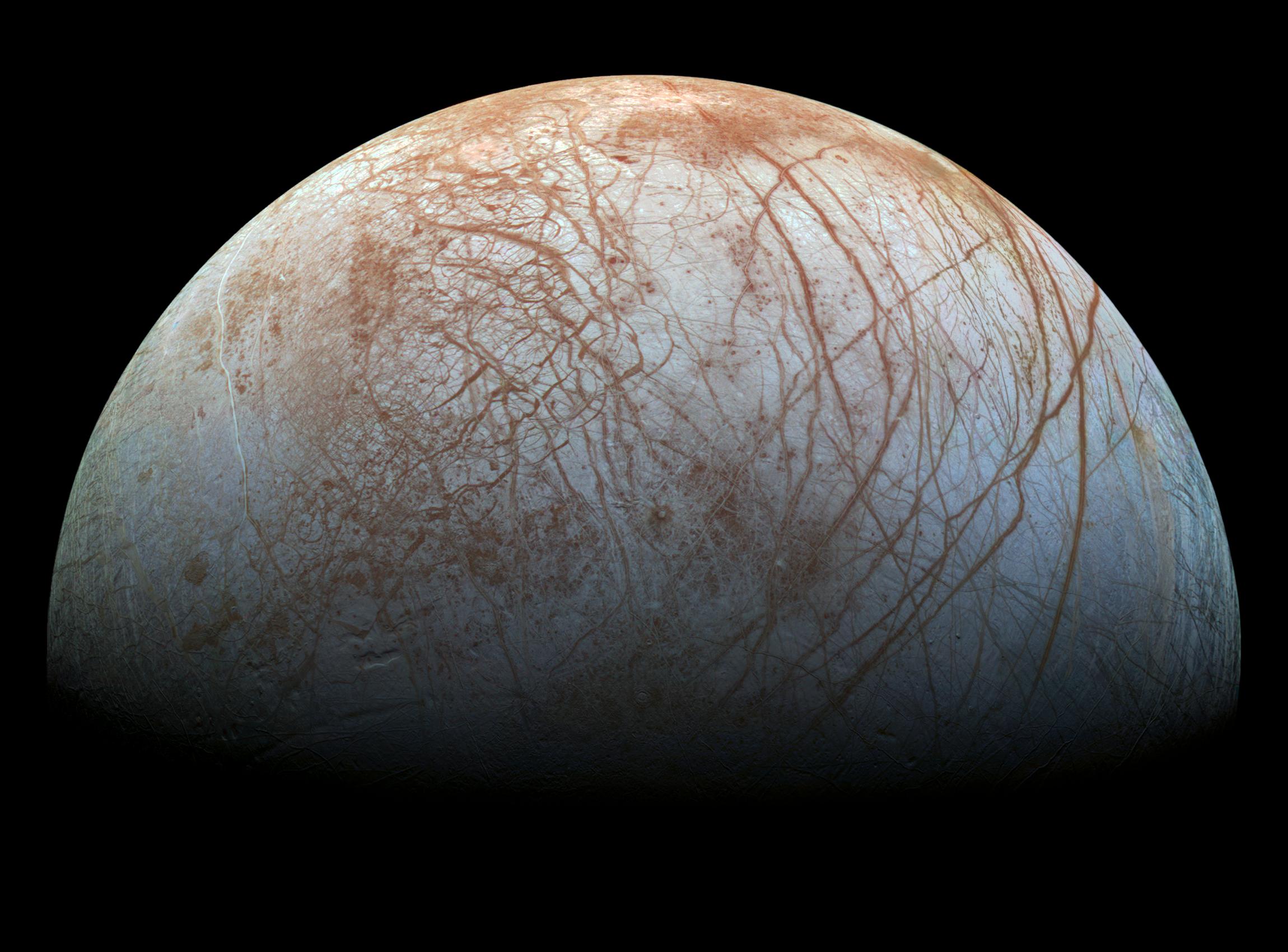
Touted as the most advanced spacecraft ever sent to investigate the habitability of another world, Europa Clipper will make multiple close flybys of Europa - nearly 40 to 50 close passes - to scan nearly the entire moon and investigate whether the ice-covered ocean world has the capability to support life.
- Country:
- United States
NASA's Europa Clipper mission, the first-ever mission to conduct detailed investigations of Jupiter's icy moon Europa which harbors an internal ocean with twice the amount of water in Earth's oceans combined, is slated to launch in late October 2024 on a Falcon Heavy rocket from Launch Complex 39A at the agency's Kennedy Space Center in Florida.
Touted as the most advanced spacecraft ever sent to investigate the habitability of another world, Europa Clipper will make multiple close flybys of Europa - nearly 40 to 50 close passes - to scan nearly the entire moon and investigate whether the ice-covered ocean world has the capability to support life.
After each flyby, the spacecraft will send its data back to Earth, helping scientists better understand how life developed on Earth and the potential for finding life beyond our planet.
The spacecraft will carry a broad suite of science instruments which include cameras, spectrometers and ice-penetrating radar, among others to thoroughly survey the moon. Below are the key objectives of NASA's Europa Clipper mission:
- Produce high-resolution images of Europa's surface
- Determine its composition and look for signs of recent or ongoing geological activity
- Measure the thickness of the moon's icy shell
- Search for subsurface lakes
- Determine the depth and salinity of Europa's ocean
- Investigate potential plumes that may be venting subsurface water into space
This year, scientists made progress in understanding Jupiter's enigmatic moon Europa – and our mission took several steps toward its launch slated for 2024! Here are some of the highlights. More: https://t.co/rORF6MYHjc https://t.co/Q1pDhw0KMC
— NASA Europa Clipper (@EuropaClipper) December 29, 2021


 Google News