

Astronomers conduct exercise to defend Earth from potentially hazardous asteroids
- Country:
- United States
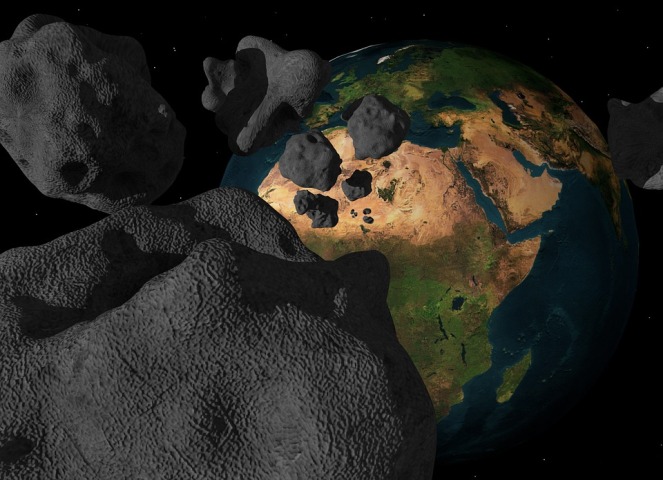
Over 100 astronomers from around the world, including from NASA, took part in an exercise to test their operational readiness for large asteroids that could pose a hazard to the Earth in future.
The exercise confirmed that the international planetary defense community can act swiftly to identify and assess the hazard posed by a new near-Earth asteroid discovery. A recent study published in the Planetary Science Journal details the results of the exercise, which was conducted in 2021.
An exercise to defend Earth. Scientists around the world took part in a mock planetary defense scenario last year using the asteroid Apophis. Exercises like these can help global response efforts should a hazardous asteroid be discovered in the future. https://t.co/cAvorMCPeh pic.twitter.com/a3CZzRZrus
— NASA JPL (@NASAJPL) May 31, 2022
The exercise focused on a potentially hazardous asteroid - Apophis - which was discovered in 2004. Observations of the asteroid's most recent close approach, which took place between December 2020 and March 2021, were used by astronomers for this exercise.
The asteroid was essentially removed from the planetary defence-monitoring database to see whether it could be properly detected anew. The object was discovered during the exercise, its chances of hitting Earth were continually reassessed as it was tracked, and the possibility of impact was ruled out.
"This real-world scientific input stress-tested the entire planetary defense response chain, from initial detection to orbit determination to measuring the asteroid's physical characteristics and even determining if, and where, it might hit Earth," said Vishnu Reddy, associate professor at the University of Arizona's Lunar and Planetary Laboratory in Tucson, who led the campaign.
The 2021 planetary defense exercise was coordinated by the International Asteroid Warning Network (IAWN) and NASA's Planetary Defense Coordination Office (PDCO). The lessons learned from this exercise could limit, or even prevent, global devastation should the scenario play out for real, NASA said.


 Google News