

Water was transported much deeper in early Earth than previously thought: Study
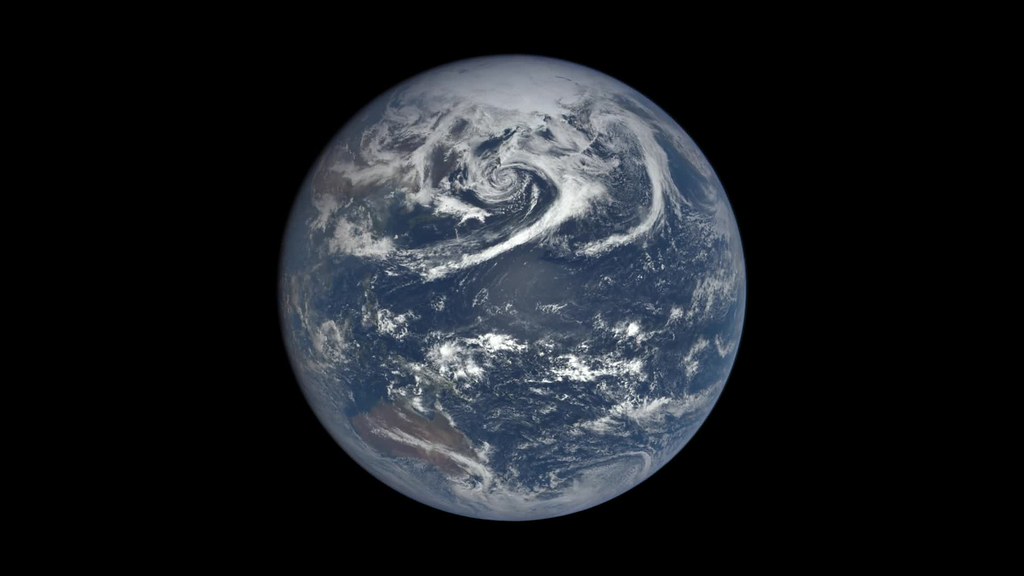
A new study has found that water was transported much deeper in the early Earth than previously thought. The study by Curtin University researchers answers long-standing questions about Earth's ancient water cycle and sheds new light on how the continents were formed initially.
Researchers, led by Dr Michael Hartnady, from the Curtin School of Earth and Planetary Sciences, utilized sophisticated modelling to show that primitive high-magnesium volcanic rocks, that erupted onto the ocean floor in the early Earth, would have soaked up much more seawater than more modern lavas.
This water, locked into particular crystals within the rock, would have been released as the rocks were buried and began to 'sweat'. In modern lavas, this sweating happens at a temperature of about 500 degrees Celsius," Dr Hartnady said in a statement.
The findings indicate that much of the seawater initially bound within the ancient primitive lavas would have been released at much higher temperatures, greater than 700 degrees Celsius. Its release would have caused surrounding rocks to melt, ultimately forming the continents.
According to Dr Hartnady, this research helped to explain the inner workings of our planet from more than 2.5 billion years ago.
The research was funded by the Australian Research Council, Geological Survey of Western Australia and Northern Star Resources Ltd. and published in the journal Earth and Planetary Science Letters.


 Google News