

Stargazers look up! Geminids Meteor shower peaking tonight
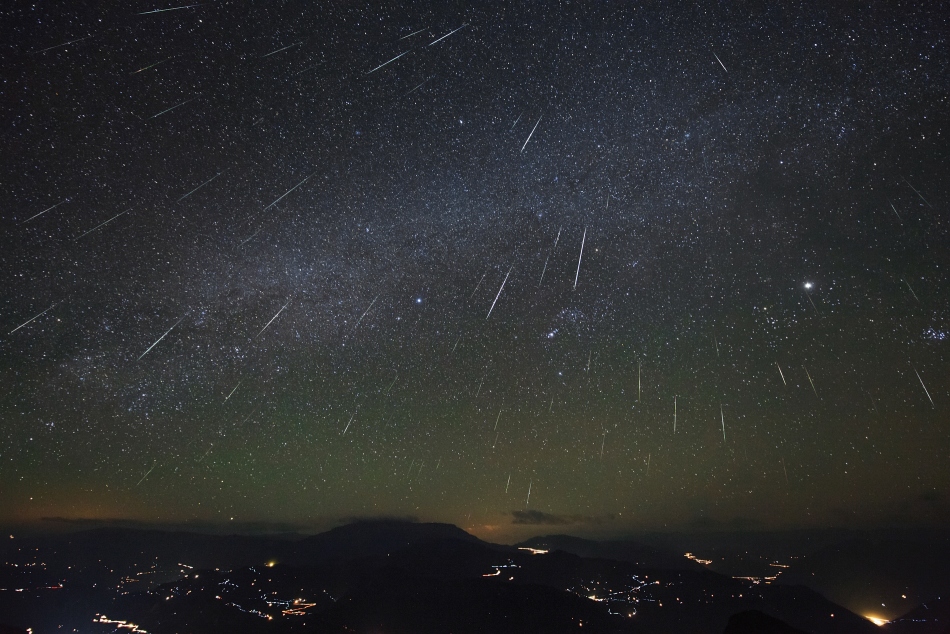
The Geminids meteor shower, one of the best and most reliable annual meteor showers, will be peaking on the night of December 13 into the morning of December 14 this year.
During peak activity and perfect weather conditions, the Geminids produce around 100-150 meteors per hour for viewing. However, this year a waning gibbous moon will make it harder to view most of the shower, resulting in only 30-40 visible meteors per hour at the peak in the Northern Hemisphere, depending on sky conditions, according to NASA.
The meteor shower will peak around 6 a.m. CST on Dec. 14, but the best rates will be seen earlier around 2 a.m. local time.
The Geminids get their name from the constellation of Gemini. The shower appears to radiate from a point in the constellation Gemini, hence the name. However, the constellation is not the source of the meteors.
Look to the skies! 🌟 It's time for the #Geminids meteor shower! 🌠 The 2022 showers will peak on the night of Dec. 13 into the morning of Dec. 14, making those hours the best time for viewing.Happy stargazing!Credit: Jess Loso (Winnipeg, Manitoba) pic.twitter.com/xAk4XgXFiZ
— Canadian Space Agency (@csa_asc) December 13, 2022
The Geminids originate from 3200 Phaethon, which is arguably considered to be either an asteroid or a dead comet. When the Earth passes through trails of dust, or meteoroids, left by Phaethon, that dust burns up in Earth's atmosphere, creating the Geminid meteor shower.
How to watch?
To view the Geminids, get away from bright lights, lie flat on your back, and look up. Your eyes, as NASA says, will take approximately 30 minutes to adapt to the dark and then you will begin to see meteors.
Meteors can generally be seen all over the sky. NASA recommends not watching the radiant because meteors close to it have very short trails and are easily missed. If you spot a meteor, try to trace it backwards.


 Google News