

NASA moves Intuitive Machines lunar landing site to Moon’s South Pole
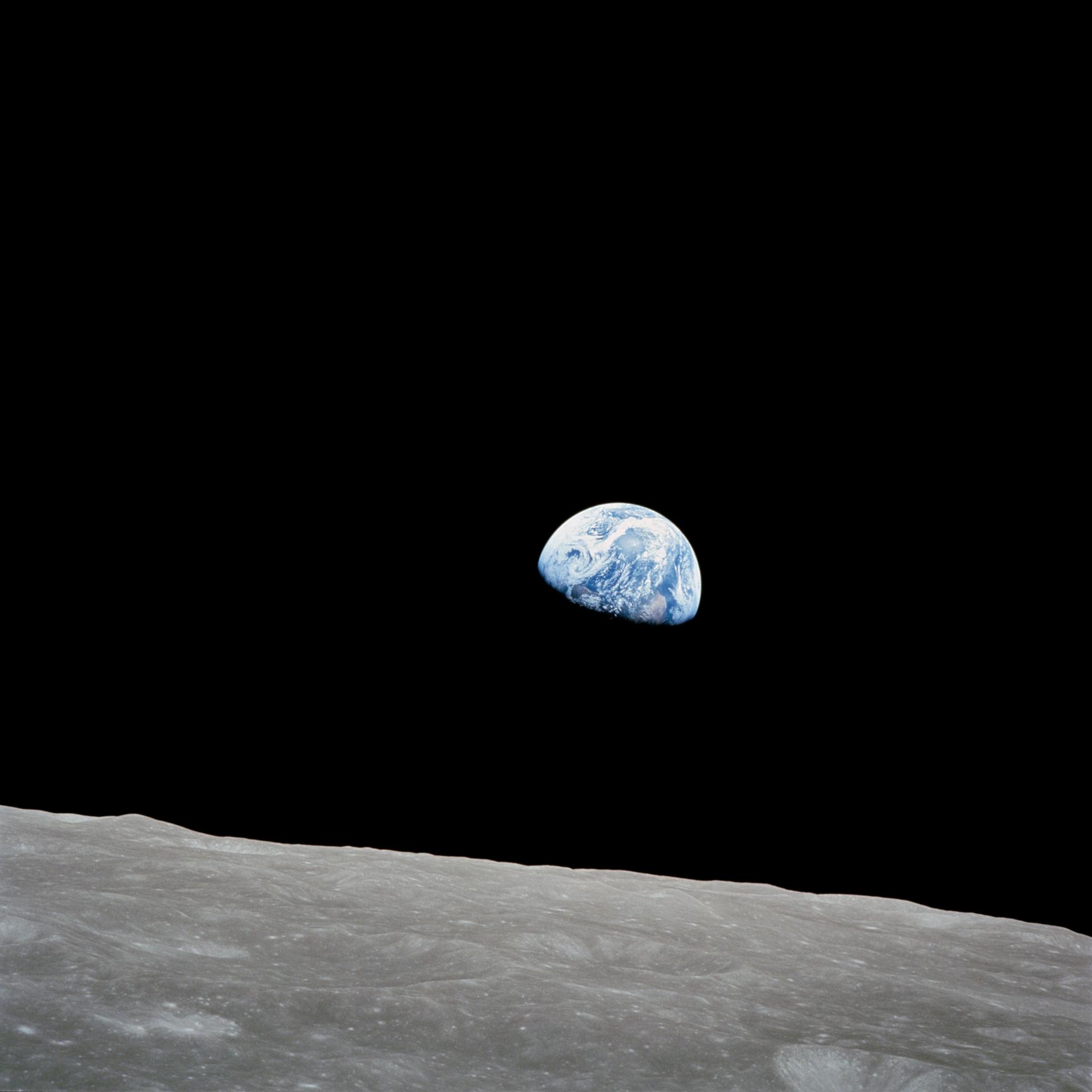
In a significant move towards ensuring the success of future Artemis missions, NASA, in partnership with Intuitive Machines, is moving the landing site for the first Commercial Lunar Payload Services (CLPS) mission to the Moon's South Pole.
In 2019, Intuitive Machines was awarded one of the first lunar payload delivery contracts under NASA's CLPS initiative. Their first flight, known as Intuitive Machines-1 (IM-1), will utilize the Nova-C lunar lander to transport six NASA payloads to the vicinity of the Malapert A crater. Previously, the planned landing site was situated in Oceanus Procellarum, but after careful consideration, the teams decided to shift their focus to this region.
The new landing site is located within the southern highlands of the Moon, which are heavily cratered. This region is notable for its flat and secure terrain, providing an ideal location for the safe delivery of payloads. Moreover, the lunar South Pole holds great importance as one of the prime areas for establishing a sustained human presence on the Moon in the future.
NASA said that the decision to land near Malapert A is to gather valuable information about the lunar South Pole's terrain and communication challenges. By conducting this mission, scientists and mission planners also hope to gain insights into how to effectively transmit data and communicate with Earth from a location that resides low on the lunar horizon.
The scheduled landing date for the Intuitive Machines-1 Nova-C lunar lander is expected to take place in the third quarter of 2023. This milestone will mark a critical achievement for NASA's CLPS initiative, as it pioneers the deployment of commercial lunar payloads.
NASA's Artemis program envisions sustainable lunar exploration, enabling scientific discoveries, resource utilization, and the eventual establishment of a lunar outpost. By embracing innovative approaches and collaborating with commercial entities, the agency continues lay the groundwork for future human expeditions beyond Earth.


 Google News