

Science News Roundup: Coffee research group progresses on naturally decaffeinated varieties; Spain's PLD Space aborts test rocket launch and more
Following is a summary of current science news briefs. Coffee research group progresses on naturally decaffeinated varieties A Brazilian coffee research institute has started a decisive stage in a two-decade project to develop arabica coffee varieties that are naturally decaffeinated, a development the researchers think could have significant commercial potential.
Following is a summary of current science news briefs.
Coffee research group progresses on naturally decaffeinated varieties
A Brazilian coffee research institute has started a decisive stage in a two-decade project to develop arabica coffee varieties that are naturally decaffeinated, a development the researchers think could have significant commercial potential. The program is being developed at the Instituto Agronomico de Campinas (IAC), a leading coffee research center that has provided many of the high-yield coffee plants that have helped Brazil become a powerhouse in the global coffee market, supplying more than a third of the trade.
Spain's PLD Space aborts test rocket launch
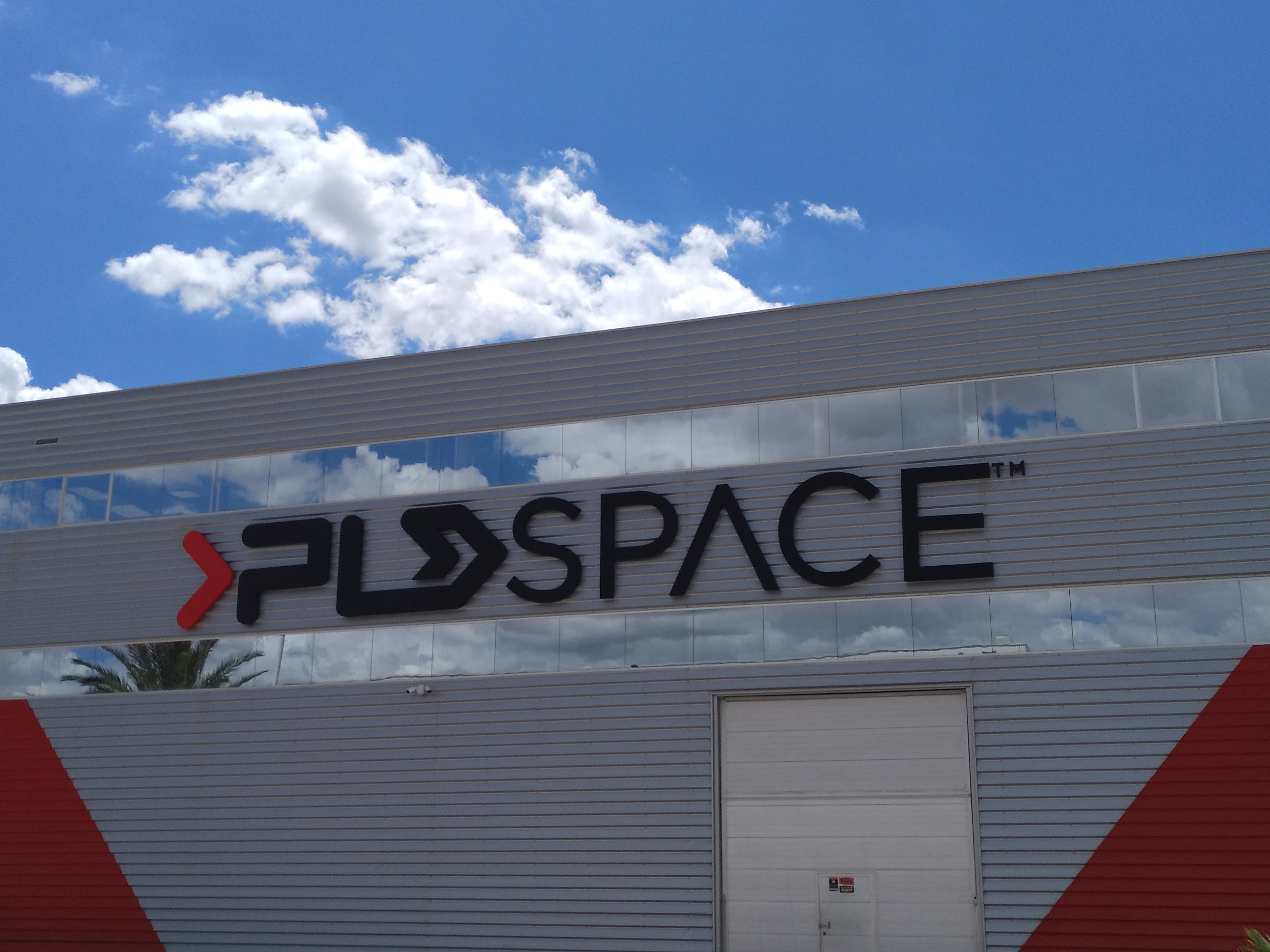
Spanish startup PLD Space aborted a test launch of its reusable Miura-1 rocket at the last moment early on Saturday in the latest setback to European attempts to develop mainland launch capacity for small payloads. The launch in Huelva in southwest Spain was scrubbed after the countdown had reached zero, with flames and smoke briefly shooting sideways from the launchpad, images showed.
Scientists discover duck-billed dinosaur roamed Chile 72 million years ago
A duck-billed herbivorous dinosaur roamed the ancient and remote river plains of Patagonia in southern Chile some 72 million years ago, a new study revealed on Friday. Scientists have dubbed the dinosaur Gonkoken nanoi and say it weighed up to a metric ton and could grow to 4 meters (13.12 feet) in length according to the study published in Science Advances.


 Google News