

Harvest Moon, Venus and more to see in the sky this September
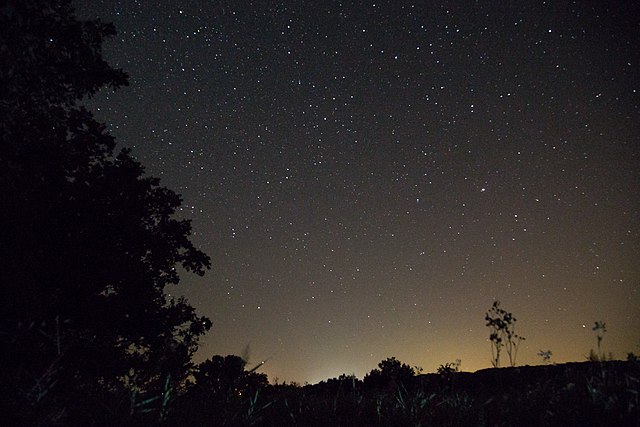
September is an excellent month for skywatching, with a variety of celestial events to observe including Venus in the morning skies and the Harvest Moon, among others.
Here is the skywatching highlight share by NASA for this month:
Earth's twin sister Venus has returned to morning skies after brightening our evening skies for most of this year. The cloud-covered planet will be visible as a bright beacon in the eastern sky before sunrise throughout the month.
In addition to Venus, Saturn and Jupiter will be easy to spot in the evening sky. The ringed planet will appear in the southeast after sunset, with Jupiter rising a couple of hours later. As the month progresses, Saturn will gradually move lower in the sky before eventually setting a couple of hours before sunrise, leaving Jupiter to rule the sky on its own until the Sun comes up.
Jupiter, on the other hand, will appear together with the Moon, high in the southwest before dawn on September 4th.
Next up, the fourth and final supermoon - a full moon that occurs when the Moon is near the closest point in its orbit around Earth - of the year will appear on September 29.
September's full moon is also called the Harvest Moon because it's the full moon that occurs nearest to the September equinox, around the time when lots of crops in the Northern Hemisphere reach their peak.
September also provides the opportunity to search for the zodiacal light - a triangular or cone-shaped pillar of faint light that stretches upward from the horizon - in the mornings as the Moon will be absent from pre-dawn skies. People living in the Northern Hemisphere should look for the zodiacal light in the east during the hour or so before morning twilight begins while skywatchers in the Southern Hemisphere should look to the west in the hour following evening twilight.
What's in our skies for September?This month brings us our final supermoon of the year - the Harvest Moon! You can also find Venus, which has gone from an evening-to-morning routine, and Saturn and Jupiter will be easy to spot.🔭More skywatching tips: https://t.co/uJEdCvfg1J pic.twitter.com/GBJbiwHszt
— NASA JPL (@NASAJPL) September 1, 2023


 Google News