

November skywatching highlights: Leonid meteor shower; Uranus at opposition and more
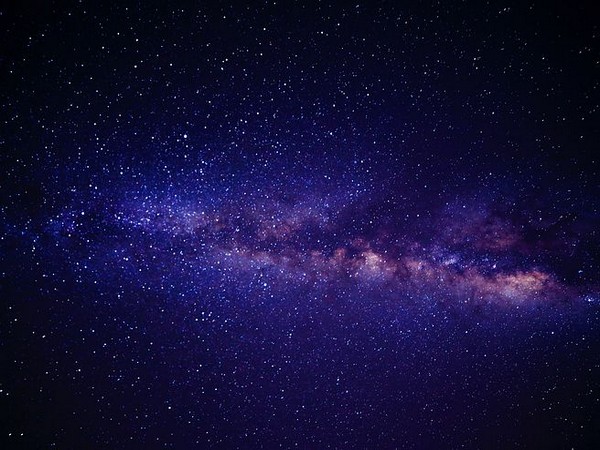
November offers a variety of celestial events and phenomena to observe including the Leonid meteor shower, Uranus on the opposite side of the sky and the celestial sea surrounding the ringed planet Saturn, among others.
Below are the skywatching highlights shared by NASA for this month:
To begin with, throughout this month, the giant Jupiter and the bright Venus will be up in the sky. Venus will be visible in a couple of hours before dawn in the eastern sky and Jupiter in the west all night.
On November 9, the beautiful crescent moon will be seen hanging just beneath Venus in the early morning sky before sunrise this morning and on November 17 it will be sitting low in the southwest all by itself in the twilight following sunset.
On November 13, you can catch a view of Uranus with naked eyes. Look overhead just after midnight, the icy planet will lie about halfway between Jupiter and the diffuse glow of the Pleiades star cluster (M45).
On the 24th of November, the nearly full moon will appear close to Jupiter in the east after sunset. Grab your binoculars to capture both of them in the same field of view.
The annual Leonid meteor shower will be peaking on November 17, with the most meteors visible between midnight and dawn on Nov. 18. Find yourself a safe, dark spot away from bright lights, lie down and look straight up to watch the meteors.
Throughout November, you'll find the planet Saturn about halfway up the sky. Look toward the south a couple of hours after dark. Because this region of the sky is full of water-related constellations, it's sometimes called "the Sea" or "the Water." Saturn currently sits within Aquarius, with Pisces, the fishes, and Capricornus, the strange, mythical sea goat being nearby.
What's up, November stargazers!This month, bundle up and head out to the dark skies to see the Leonid meteors peak on Nov. 17-18. Plus, three bright planets will be visible throughout the month. ✨ More skywatching tips: https://t.co/uJEdCvfg1J pic.twitter.com/i1Bn3WnI2P
— NASA JPL (@NASAJPL) November 2, 2023


 Google News