

Powerful solar storm shakes Earth's core, sends compasses spinning kilometers deep in ocean
- Country:
- Canada
The recent solar storm which painted the night sky with dazzling auroras also sent compasses spinning deep within the ocean, some 2.7 kilometres below the surface, according to the new scientific findings shared today by Ocean Networks Canada (ONC), a University of Victoria initiative.
ONC operates a network of cutting-edge subsea observatories along Canada's coasts. These observatories are equipped with instruments that interact with the environment. One key tool is the Acoustic Doppler Current Profiler (ADCP), which relies on compasses to accurately measure ocean currents.
The discovery of these solar storm magnetic disturbances happened during routine data quality control checks. The most dramatic shift jolted compasses 30 degrees in either direction, happening at a surprisingly shallow depth of 25 meters at the Folger Passage subsea site.
The findings underscore the far-reaching impact of solar storms, extending beyond the mesmerizing auroras and potentially influencing the very core of our planet.
"The reach of these data recordings kilometres under the ocean surface highlight the magnitude of the solar flare over the past weekend and suggest that the data may be useful for better understanding the geographic extent and intensity of these storms," says Kate Moran, ONC president and chief executive officer.
"The next two years will be the peak of the 11-year solar cycle. After a decade of relative inactivity, aurora events like this past weekend are likely to become more frequent over the next couple of years, although solar variability makes precise prediction of such events impossible," says Justin Albert, professor of physics with UVic's Department of Physics and Astronomy.
Wondering why the Sun is getting super active?
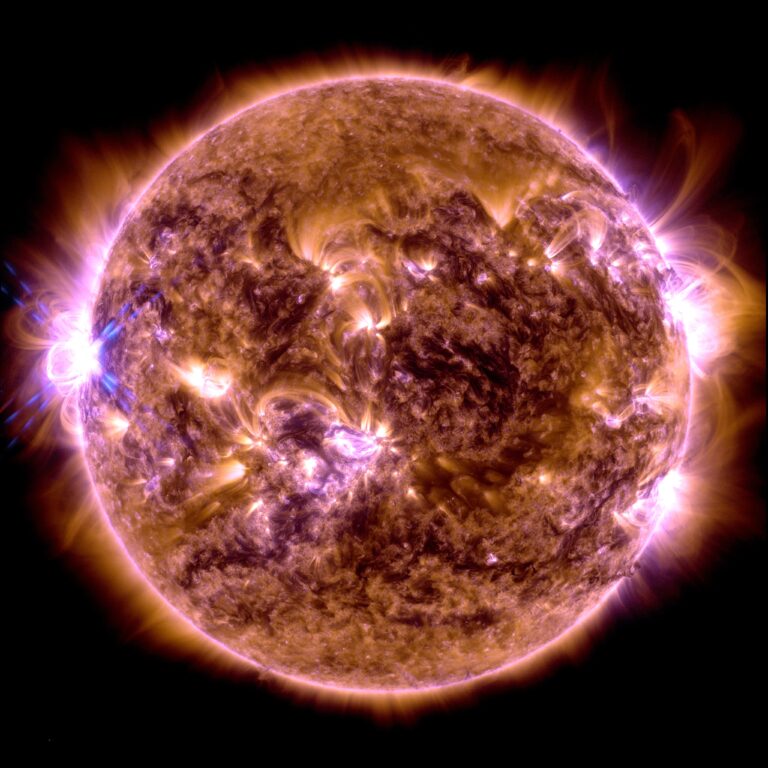
The Sun's activity fluctuates based on its 11-year solar cycle, becoming either high or low. Currently, we are approaching the peak of solar activity in the current Solar Cycle 25, therefore big solar storms like the recent one are common during this period.


 Google News