

Blazing Weather Maps: Brown Dwarfs’ Toxic Cloudstorms Unveiled
Scientists using the James Webb Space Telescope have created detailed weather maps of two brown dwarfs, celestial bodies between stars and planets. These maps reveal harsh atmospheric conditions, including extreme heat and toxic clouds. The findings highlight the complex atmospheres of brown dwarfs and their similarities to gas giant planets like Jupiter.
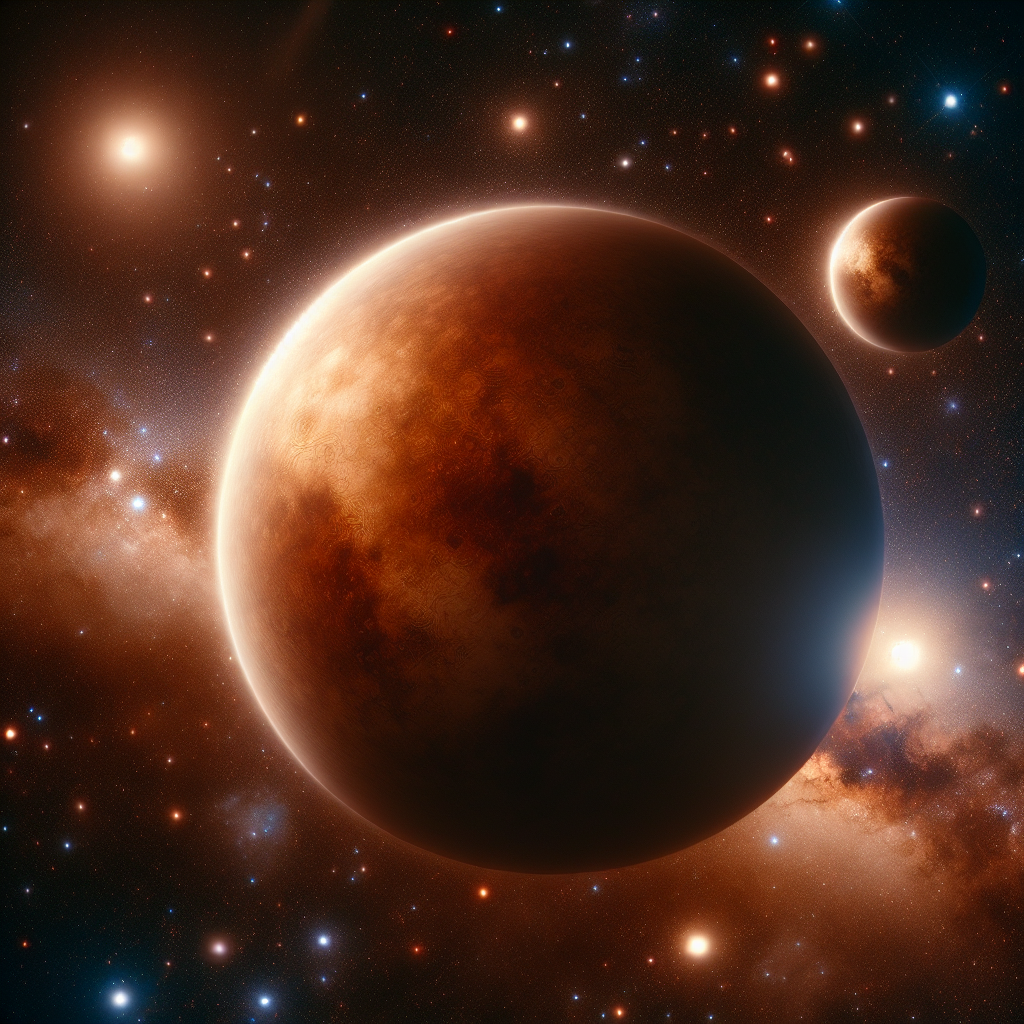
Scientists have, for the first time, utilized the James Webb Space Telescope to produce detailed weather maps of two brown dwarfs, revealing blazingly hot conditions with toxic chemical clouds and silicate particles swirling around. Located around six light-years from Earth, these brown dwarfs offer critical insights into their atmospheric complexities.
The research team discovered multiple cloud layers in the atmospheres of these brown dwarfs, marked by hydrogen, helium, water vapor, methane, and carbon monoxide. Temperatures at the cloud tops reach about 1,700 degrees Fahrenheit. 'We created the most detailed weather maps for any brown dwarf to date,' said lead author Beth Biller of the University of Edinburgh.
This breakthrough provides a three-dimensional view of the weather changes occurring with each rotation of the brown dwarfs, showcasing the fast rotation and resultant weather patterns, akin to Jupiter's Great Red Spot. The study, a collaborative effort, offers new perspectives on the formation and atmospheric behavior of brown dwarfs and exoplanets.


 Google News