

Madagascar’s Climate Challenge: Battling Health Risks Amid Changing Climate
Madagascar faces significant climate-related challenges, including cyclones, floods, droughts, and wildfires, which exacerbate health risks such as malnutrition, waterborne diseases, malaria, and poor air quality. The World Bank's Climate and Health Vulnerability Assessment highlights the need for stronger governance, a well-distributed health workforce, improved health information systems, and increased health financing to build resilience against these threats.
 CoE-EDP, VisionRI
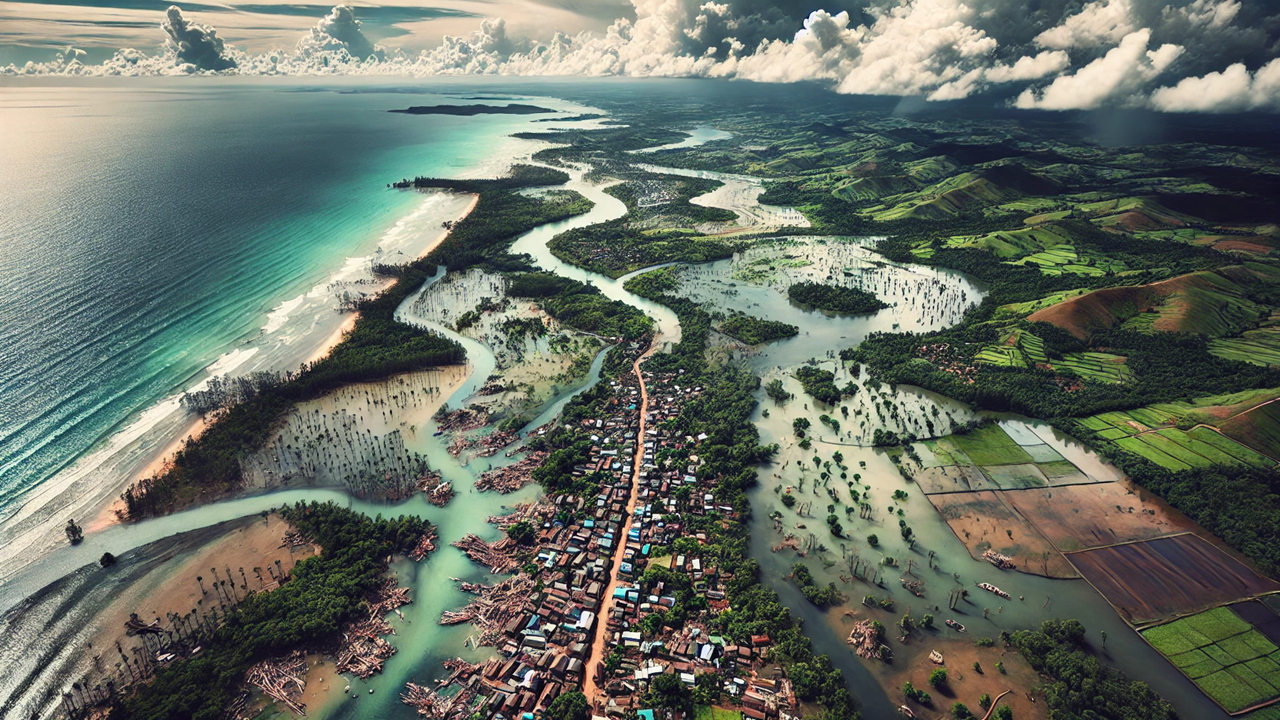
Facing the Cyclone: Madagascar's Biggest Threat
Madagascar, an island nation in the Indian Ocean, finds itself at the mercy of climate-related hazards, with cyclones posing the most immediate and devastating threat. According to the recent Climate and Health Vulnerability Assessment by the World Bank, Madagascar endures an average of 3-4 cyclones annually. These powerful storms predominantly strike the coastal regions, bringing damaging winds and heavy rainfall, triggering floods and landslides. The assessment warns that by the 2070s, the severity of these cyclones is expected to increase significantly, exacerbating the already precarious situation.
Flooding, primarily caused by cyclonic storms, further destabilizes the island's environment. The eastern coastal regions, characterized by elevated terrain, are particularly susceptible to landslides. Meanwhile, historically plagued by droughts, the southern region faces projections of worsening dry spells in the coming decades. These climate patterns highlight the pressing need for Madagascar to bolster its infrastructure and emergency response mechanisms to mitigate the impact of these natural disasters.
Health Risks Intensify with Climate Change
Climate change is reshaping Madagascar's landscape and amplifying health risks for its population. The assessment highlights several key health threats directly linked to changing climate patterns. Among the most concerning are nutrition risks, waterborne diseases, vector-borne diseases, air quality issues, and zoonotic diseases.
Nutrition and Food Security at Risk
Malnutrition is a significant challenge in Madagascar, with 40% of children experiencing stunting and 23% underweight. The report underscores that climate change will likely worsen food insecurity, especially in regions heavily dependent on rain-fed agriculture. Prolonged droughts, such as those already affecting the southern region, reduce crop yields and disrupt food supply chains, leading to higher rates of malnutrition. Additionally, rising temperatures and erratic rainfall patterns threaten fisheries and coastal communities, where marine products are a crucial protein source.
Waterborne and Vector-Borne Diseases
The persistent prevalence of waterborne diseases, such as diarrheal illnesses, is exacerbated by inadequate water and sanitation facilities. Floods and droughts compound these issues by contaminating water sources, making it harder for communities to access safe drinking water. Vector-borne diseases, particularly malaria, present another significant health risk. With over 25 million people at high risk of malaria, changing climate conditions are expected to expand mosquito habitats, increasing transmission rates.
Air Quality and Zoonotic Diseases
Air quality is another growing concern, with indoor and ambient air pollution leading to respiratory diseases. The widespread use of solid fuels for cooking and the impact of wildfires contribute to poor air quality. Moreover, Madagascar's rich biodiversity and changing habitats heighten the risk of zoonotic diseases like the plague, as animals and humans come into closer contact.
Building Resilience: Health System's Adaptive Capacity
The vulnerability assessment emphasizes the need to strengthen Madagascar's health system to better respond to climate-related health impacts. Key areas identified include leadership and governance, health workforce, health information systems, medical products and technologies, service delivery, and health financing.
Strengthening Governance and Health Workforce
To enhance resilience, the report recommends strengthening policies and intersectoral collaboration. Improved governance and coordination are vital for effective climate adaptation strategies. Additionally, addressing the shortages and uneven distribution of the health workforce is crucial. Training and incentives can help ensure that health professionals are well-equipped to handle the challenges posed by climate change.
Improving Information Systems and Medical Supplies
Developing robust health information systems for early warning and timely data collection is essential. This would enable better preparedness and response to climate-induced health crises. Ensuring the availability and accessibility of essential medical products and technologies is also highlighted as a priority to maintain consistent service delivery.
Financing and Service Delivery Enhancements
Health financing needs to be bolstered to support climate adaptation initiatives, including emergency preparedness. The assessment stresses the importance of resilient infrastructure and accessible medical supplies to respond effectively to climate-related health impacts.
A Call for Action
Madagascar's Climate and Health Vulnerability Assessment paints a stark picture of the challenges ahead. However, it also offers a roadmap for building resilience and safeguarding public health in the face of a changing climate. By strengthening governance, enhancing health systems, and securing adequate financing, Madagascar can better protect its population from the multifaceted threats posed by climate change.
- FIRST PUBLISHED IN:
- Devdiscourse
ALSO READ
-
Mozambique Shapes New Climate Strategy to Protect Communities From Extreme Weather
-
Climate Change Is Deepening the Crisis for Millions Living Without a Nationality Today
-
Tunisia’s Water Crisis Puts Jobs and Growth at Risk as Economic Recovery Loses Speed
-
Climate Data Gaps Leave Communities Searching for Clear Answers to Growing Local Risks
-
Marshall Islands Rights Defenders Seek Justice Across Generations, UN Expert Says


 Google News