

Wildfires Ravage Greece and the Balkans, Forcing Evacuations
Wildfires intensified by strong winds have engulfed parts of Greece and the Balkans, prompting evacuations and destroying homes. Above-average temperatures and dry conditions have created ideal wildfire conditions. Local authorities and scientists link the increased frequency of these fires to climate change and urgent need for high alert.
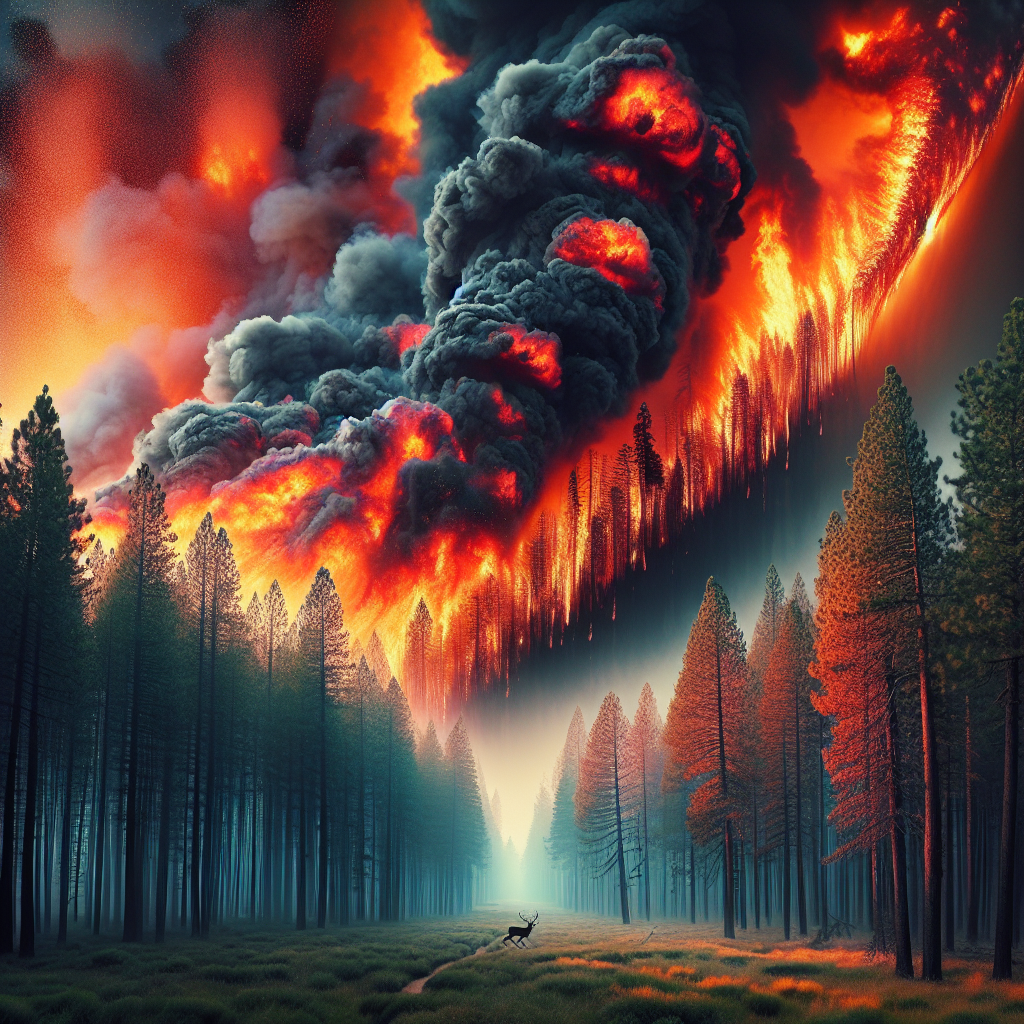
Wildfires intensified by fierce winds swept through parts of Greece and the Balkans on Tuesday, destroying forests and homes and forcing the evacuation of a resort town in Albania, local authorities reported. The region’s above-average temperatures and dry conditions over the past month have been conducive to the wildfires, scientists stated.
Flames consumed pine trees near a hotel complex in the Albanian coastal town of Shengjin, prompting authorities to evacuate residents. In North Macedonia, a blaze near the Greek border torched five houses and led to further evacuations, officials disclosed.
Residents reported that both electricity and phone services were disrupted. In a separate incident further north on Monday, a fire gutted dozens more buildings and resulted in the death of one man, authorities confirmed. “We have many fires. Thousands of hectares are burning. Half of the country is aflame,” Goran Stojanovski from North Macedonia’s crisis management department told Reuters, citing strong winds as a major challenge for firefighters.
In Croatia, around 450 hectares (1,100 acres) of pine forest near the Adriatic town of Sibenik were incinerated, according to a local fire official. Meanwhile in Bulgaria, firefighters had to abandon efforts in the Slavyanka mountains near the Greek border on Tuesday when Cold War-era landmines detonated, local media Nova TV reported.
Elsewhere, over 200 firefighters, supported by helicopters and water-carrying planes, managed to contain a wildfire on Greece’s second-largest island, Evia, following the evacuation of two villages, according to the fire brigade. Prime Minister Kyriakos Mitsotakis acknowledged the challenging summer climate conditions.“We have a very tough month of August ahead, and we must stay extremely vigilant,” he said during a cabinet meeting. Wildfires in Greece have become more common during the increasingly hot, dry summers attributed by scientists to climate change. Last year, more than 8,000 fires were recorded, fire brigade data indicated.
Since May, hundreds of wildfires have ignited across the country, which experienced the hottest June on record and its longest heatwave. (Additional reporting by Stoyan Nenov in Sofia; writing by Edward McAllister; editing by Helen Popper and Mark Heinrich)


 Google News