

Regaining the Night Sky: Combatting Light Pollution
For over 100,000 years, humans have gazed at the Milky Way. However, modern light pollution now prevents nearly 3 billion people from seeing it. This article discusses the causes and potential solutions to reduce light pollution, enabling us to reconnect with our celestial heritage.
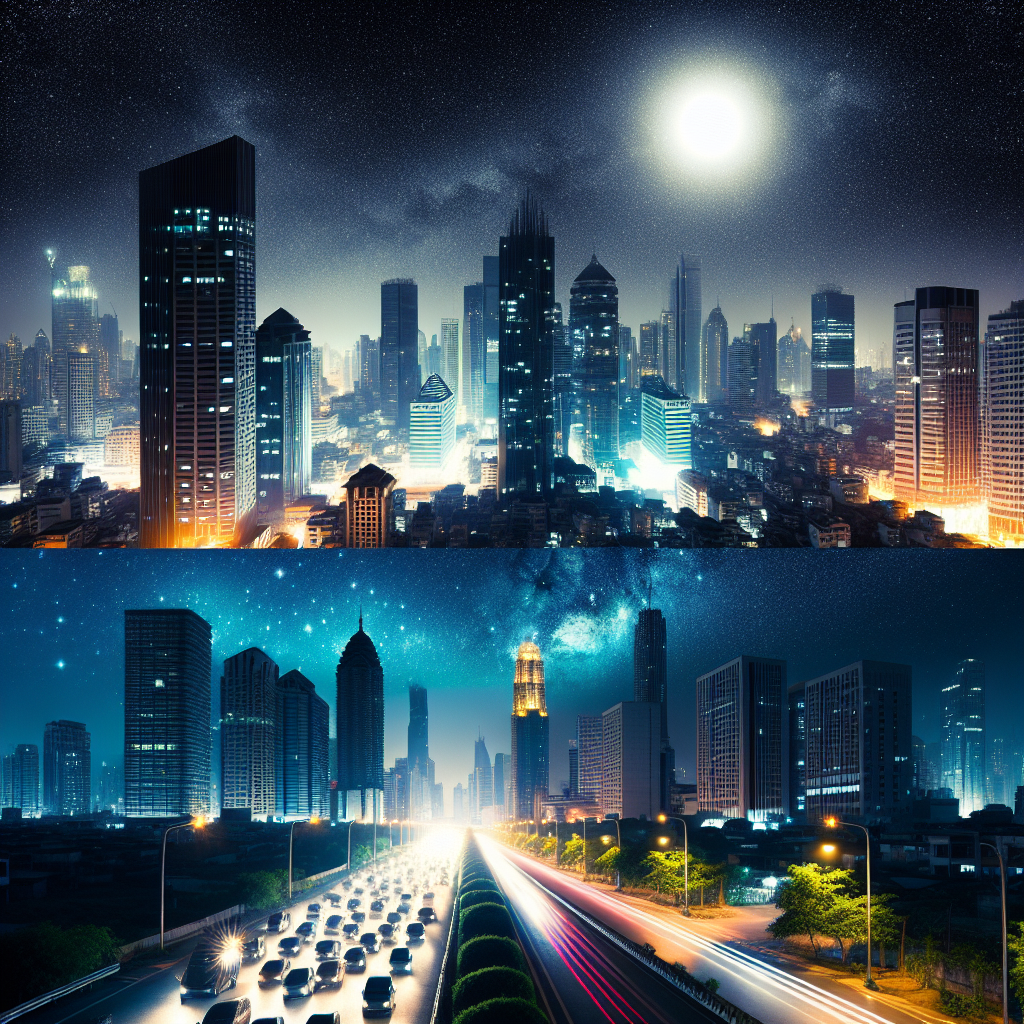
Canberra, Aug 10 (The Conversation) – For more than 100,000 years, humans have looked up at the night sky to see the stars and our celestial home, the Milky Way galaxy. Cultures worldwide have rich stories and records inspired by this sublime sight.
However, nearly three billion people can no longer see the Milky Way when they glance skyward due to rampant light pollution. This disconnect has also severed their bond with the cosmos and the deep sense of time it represents.
A significant culprit is light pollution, a relatively recent problem. Just a century ago, even the sky above major cities was dark enough to discern the gaseous clouds of the Milky Way and distant specks of starlight.


 Google News